How to Describe Your Skills to Get Noticed by Casting Filters
Behind the Scenes: ACMODASI: How to Describe Your Skills to Get Noticed by Casting FiltersMost invitations don't come from direct applications to ads, but from database searches: a casting director sets the parameters for a role and browses those who fit the criteria. This means your profile works 24/7—but only for the fields you have actually filled in.

How the Search Process Works
The selection is typically formed in two steps. First, hard filters: gender, age, location, height, and profession. Then, refining filters: skills, languages, sports, and driving.
The logic is ruthless: if a field is left empty, you simply do not appear in the selection for that parameter. You aren't "ranked lower"; you are invisible. This is why an empty "city" or "location" field costs you more than it seems—it cuts you out of any local search.
A Skill Without a Level Doesn't Work
Listing "English" in your profile says nothing: it could mean reading with a dictionary or fluent conversation. A casting director looking for an actor for an English-speaking scene will skip such an entry because they don't have time to verify every single person.
Phrase your skills so that the level is immediately clear:
- Bad: English
- Good: English — fluent, capable of acting in English, neutral accent
- Bad: Driving
- Good: Valid driver's license since 2015, manual and automatic transmission, confident city driver
- Bad: Dancing
- Good: Contemporary dance — 6 years, contemporary and jazz-funk; waltz and tango — basic level
- Bad: Sports
- Good: Swimming — confident, all styles; boxing — 3 years amateur; skiing — intermediate
What Should Be Considered a "Skill"
The only working criterion is this: you can do it on the first take with a running camera, in an unfamiliar environment, with twenty people watching. Not "I did it in school" or "I managed it once."
A falsified skill will be discovered on set. The consequences: a ruined shoot day, a rewritten scene, damaged relationships with the production company, and your name being blacklisted by the casting director. One role is not worth that risk.
At the same time, don't undersell yourself. If you did fencing for three years and quit a year ago, write: "Stage combat and fencing, 3 years, requires refresher training." This phrasing is honest and professional; the production will allocate time for preparation.
Essential Skills to List
- Languages — include the level and a separate note on whether you can act in that language, not just speak it.
- Accents and Dialects. A rare field that is often used for very specific searches.
- Driving — license categories, years of experience, transmission type. List motorcycles separately if applicable.
- Sports — type, duration of practice, and rank/level.
- Swimming — list this as a separate item; it is requested more often than you might think.
- Horseback Riding — be honest about the level: sitting in a saddle and galloping are two different things.
- Dance — styles and years of experience.
- Vocals — voice type, range, and whether you have experience singing to a backing track.
- Musical Instruments — specify if you can play convincingly on camera.
- Stage Combat, Stunts, Acrobatics.
- Licenses for other machinery/equipment, if applicable.
Non-Obvious Skills That Get You Cast
Often, these are the skills that land the role because there is very little competition:

- Medical or military background — provides authenticity in specialized scenes.
- Professional manual work: welding, pottery, hairdressing, professional cooking.
- Sign language.
- Weapon handling proficiency.
- Working with animals, especially horses and dogs.
- Skateboarding, rollerblading, snowboarding, parkour.
- Playing specific sports at a level that looks professional on screen.
- Rare dialects and regional accents.
How to Phrase Skills to Hit the Filters
- Use industry-standard terms. Use "Contemporary" rather than "modern plasticity in an author's technique."
- Write synonyms separated by commas. "Horseback riding, equestrian sports" — different people search using different terms.
- Break general terms into specifics. "Martial arts" is less effective than "boxing, sambo."
- Use numbers for duration and level. "3 years" is more informative than "practiced a bit."
- Avoid joke skills. They are funny once and spoil the professional impression of your entire profile.
Other Factors That Affect Your Visibility
Beyond skills, check your basic fields—these are the first filters used to narrow down the list:
- Age and the age range you can realistically play.
- Current city and willingness to travel.
- Height, weight, clothing and shoe sizes.
- Hair and eye color, current as of today.
- Distinguishing marks: tattoos, scars, piercings. These can be covered with makeup, but production needs to know in advance.
How to Maintain Your Profile
Every six months, review your list: add new skills you've mastered and either refresh or remove those you've abandoned. A skill you haven't practiced in three years is more dangerous in your profile than its absence.
Summary
- Empty field = you don't exist in the search for that parameter.
- A skill without a level doesn't work: specify duration, level, and details.
- The criteria for mastery: you can do it on the first take under a camera.
- Non-obvious skills often lead to roles due to low competition.
- Use standard terminology and synonyms.
- Review your list every six months.
Note that rates, contract forms, and tax rules differ by market. A completed profile works even when you aren't actively applying. Check open projects in the castings section.
Share


Author: Claire Bennett, platform editor
Publication date: September 03 2026
Views: 25
Comments
Other materials in this section

A guide to the essential photo set, the correct image order, and how to avoid common mistakes that can hurt your casting chances.

A self-study program covering breathing, articulation, diction, and intonation. Learn what to do daily, how to track your progress, and when it is time to seek professional coaching.
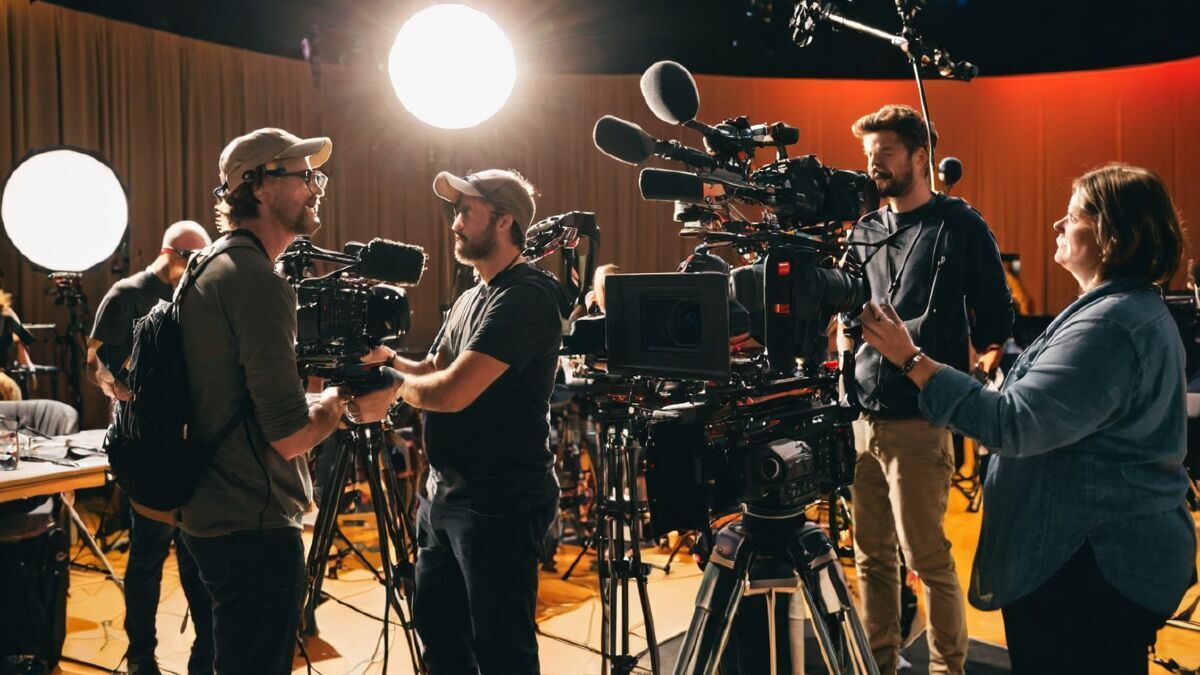
A detailed breakdown of the film crew: who to ask about your schedule, who handles your wardrobe, who commands the set during a take, and who you should never interrupt.

A step-by-step guide to analyzing casting notices: identifying non-negotiable requirements, flexible criteria, and red flags to help you decide within two minutes if you should apply.

Explore the actor's creative process from first script reading to final performance. A comprehensive guide to character construction, covering text analysis, physical embodiment, emotional preparation, subtext work, and the art of staying present on stage.

When an actor steps into a recording booth, they leave behind nearly every tool of their trade. No costume, no set, no fellow performers to play against. What remains is voice — and the extraordinary challenge of making it carry everything.
 Auditions in India
 Casting calls in USA
 Castingi w Polsce
 Кастинги в Україні
