How many and what kind of photos you need for your profile
Behind the Scenes: ACMODASI: How many and what kind of photos you need for your profileYour profile is opened only after you have passed the initial search filters. From that point on, the photo grid decides your fate: a casting director scans it in a few seconds and either stops to look closer or returns to the list. The goal of your photo set is to communicate who you are and what your range is within those few seconds.
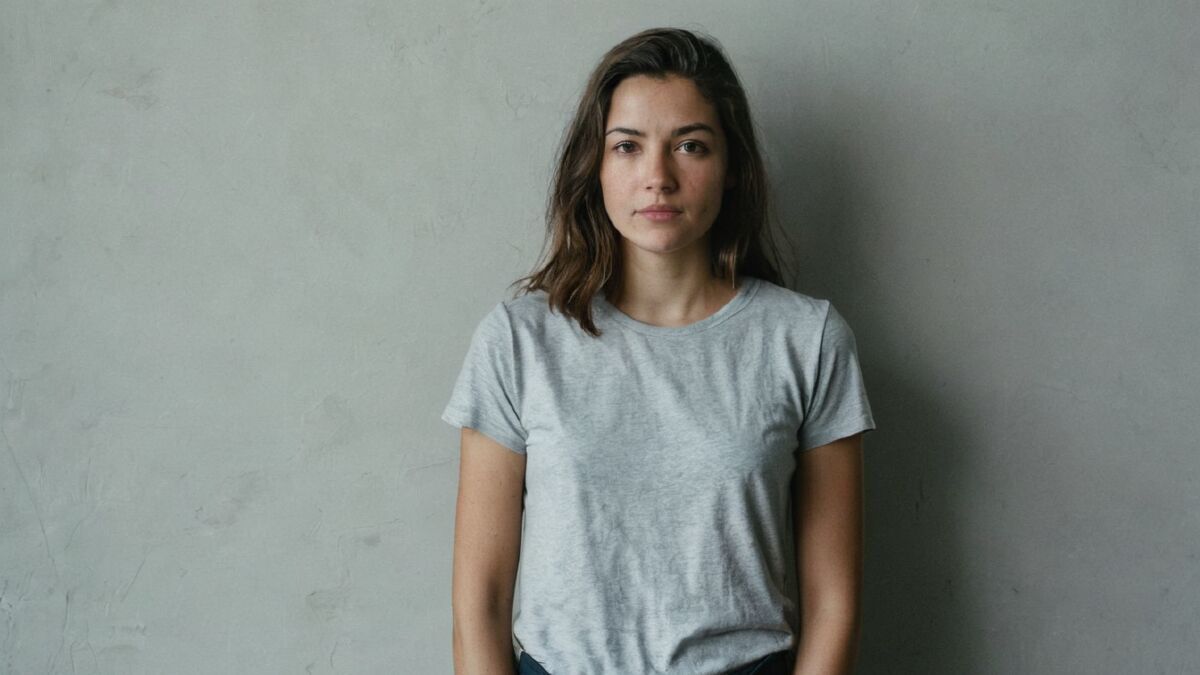
The Working Minimum
Six to eight shots can cover almost any requirement:
- Main Headshot. A close-up of the face, neutral expression, eyes clearly visible.
- Alternative Mood Portrait. Either sharper or softer than the main shot.
- Full-Length Shot in Neutral Clothing. Shows your figure and proportions.
- Profile or Three-Quarter View. Shows the shape of the head, which is essential for hair, makeup, and costume planning.
- Character Shot based on your type. If you are typically cast as doctors or military personnel, provide a corresponding look rather than something abstract.
- Second Type/Archetype, if you have one.
- Candid Shot — in motion, from a set, or in a natural environment.
- Recent Unedited Photo. Shows exactly how you look today.
Fewer than four photos make a profile look incomplete. More than twelve can make the set overwhelming and may actually work against you.
The Main Photo: Specific Requirements
This is the only image guaranteed to be seen—it appears in the search results. Consequently, the requirements are stricter:
- The face occupies most of the frame.
- Looking directly into the camera.
- No glasses, hats, or oversized jewelry.
- No filters or heavy retouching.
- Neutral background.
- Taken no more than a year ago.
- Not in profile, not from the back, and not in shadow.
A simple test: shrink the photo to thumbnail size. If the face is no longer recognizable, it is not suitable as your main photo.
Order of Images
The sequence is as important as the selection itself. The most effective order is: main headshot, full-length shot, second portrait, character looks, and finally, candid shots. The casting director should understand your type within the first three images; the rest are for demonstrating range.
A common mistake is placing the most "artistic" photo first. While it may be beautiful, it doesn't answer the primary question: "What does this person actually look like?"
What Hurts Your Profile
- Ten identical portraits in the same sweater with the same expression.
- Collages and frames. These obstruct the view of your appearance and look unprofessional.
- Photos with other people. It becomes unclear which person is you.
- Wedding, vacation, or party photos.
- Heavy filters and editing that alters your facial features.
- Dark shots where the face is not visible.
- Outdated photos. It is worst when some photos are old and others are new; the inconsistency is immediately noticeable.
- Low-quality screenshots from previous projects.
- Selfies. The only exception is a recent, unedited shot used to show your current state.
Different Types: How Much to Show
If you are cast in two distinct types of roles, show both—two to three shots for each. If you try to show more than three types, you are likely blurring your professional image rather than demonstrating range.
Test: ask someone who doesn't know you to look at your set and describe who you could be in a movie. If the answer is vague, you need to narrow your selection, not expand it.
How Often to Update
- Main Headshot — once a year.
- Entire Set — every two to three years.
- Immediately — after a haircut, change in hair color, significant weight change, or growing/shaving a beard.
Technical Requirements
- Resolution must be high enough so the image doesn't pixelate when zoomed in.
- Correct orientation — portraits and full-length shots should be vertical.
- No photographer watermarks across the face.
- Consistent color grading across the set: a mismatched look feels like a random collection of photos.
Summary
- Six to eight shots: two portraits, full-length, profile, one or two character looks, a candid shot, and a recent unedited photo.
- Main photo: close-up of the face, looking at the camera, recognizable as a thumbnail.
- The first three images must define your type.
- Remove collages, filters, photos with others, and outdated images.
- Update your main portrait annually and the full set every two to three years.
Note: Please be aware that industry rates, contract forms, and tax rules differ by market.
Your profile works 24/7, even when you aren't actively applying; it is how you are discovered in the database. Open projects can be found in the castings section.
Share


Author: Alexander Shaida, Editor-in-chief
Publication date: August 16 2026
Views: 126
About us and our editorial policy
Comments
Other materials in this section
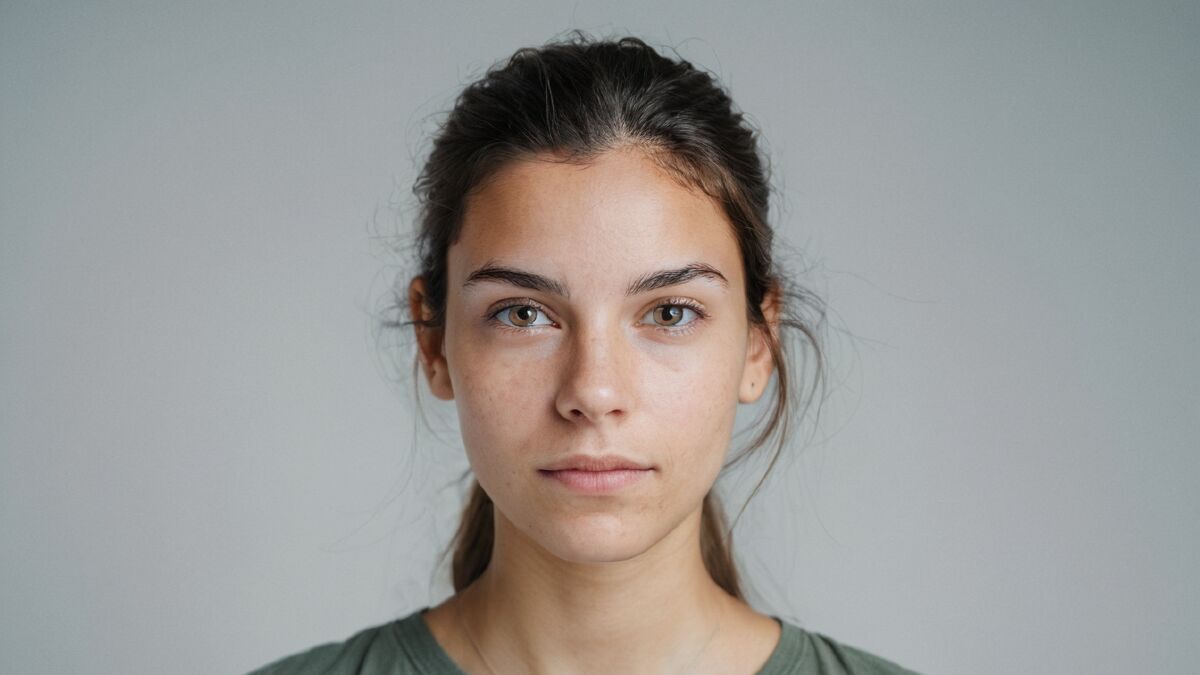
A detailed guide on filling out your profile: from choosing the right main photo to describing your experience and avoiding the common mistakes that lead to rejection.

Learn how talent database searches work, why listing a skill without a proficiency level is ineffective, and which phrasing helps you land in the final selection.

A self-study program covering breathing, articulation, diction, and intonation. Learn what to do daily, how to track your progress, and when it is time to seek professional coaching.
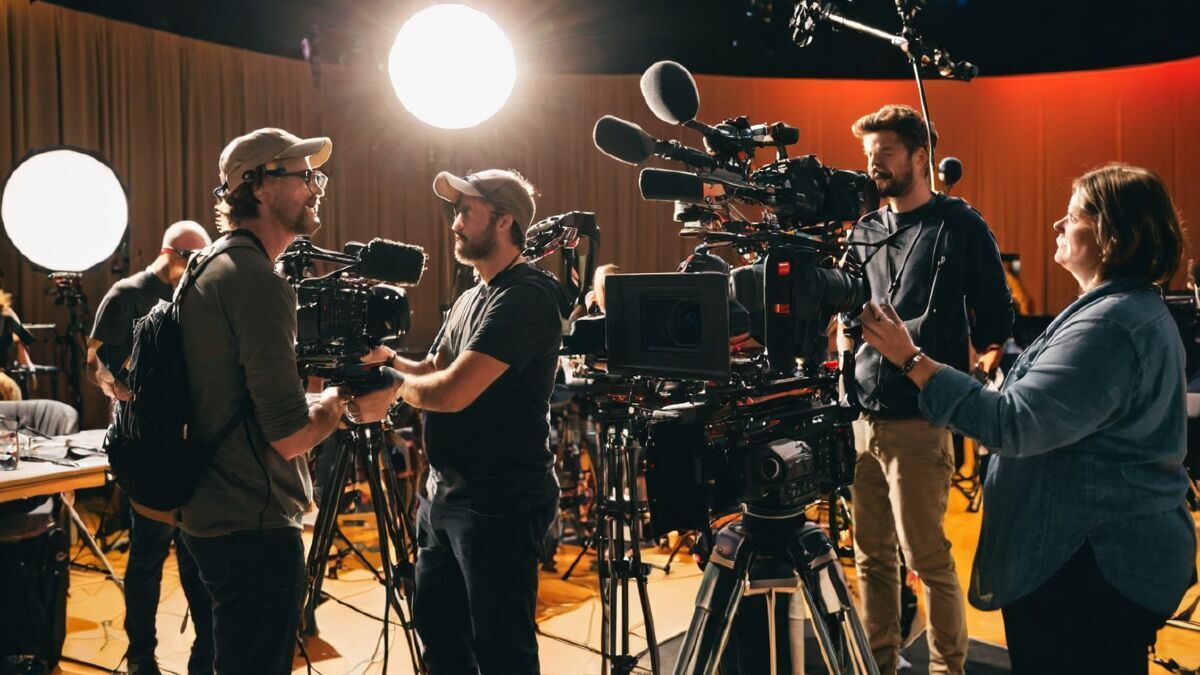
A detailed breakdown of the film crew: who to ask about your schedule, who handles your wardrobe, who commands the set during a take, and who you should never interrupt.

A step-by-step guide to analyzing casting notices: identifying non-negotiable requirements, flexible criteria, and red flags to help you decide within two minutes if you should apply.

Explore the actor's creative process from first script reading to final performance. A comprehensive guide to character construction, covering text analysis, physical embodiment, emotional preparation, subtext work, and the art of staying present on stage.
 Auditions in India
 Casting calls in USA
 Castingi w Polsce
 Кастинги в Україні
