How to Create a Casting Profile That Gets Noticed
Behind the Scenes: ACMODASI: How to Create a Casting Profile That Gets NoticedA profile is not just a registration formality; it is a professional tool that either brings you offers or sits as dead weight. The difference between these two states is roughly one hour of work—the time it takes to fill everything out correctly once. Below is a breakdown of each section, what to write, and why.

Main Photo
This is the first and most critical decision. In the search results, a casting director sees a thumbnail only a few centimeters wide—and based on that, they decide whether to open your profile.
What works:
- A headshot where your face occupies most of the frame;
- Direct eye contact with the camera;
- Even daylight or soft studio lighting;
- A solid, light-colored background;
- A neutral expression or a light, natural smile;
- A recent photo that accurately reflects your current appearance.
What doesn't work:
- Full-body shots—these become an indistinguishable blur in a thumbnail;
- Heavy editing and filters;
- Dark frames or backlit shots where the face is obscured;
- Glasses, hats, or hair covering the face;
- Group photos;
- Photos with heavy makeup or in a specific costume—these describe a character, not you;
- Photos from five years ago.
A simple test: shrink the photo to the size of a fingernail and look at it. If it's unclear who is pictured, the photo is not suitable.
Gallery
The minimum professional set:
- Frontal headshot—no makeup or minimal makeup.
- Smiling headshot.
- Profile shots—both sides.
- Full-length shot in form-fitting basic clothing.
- Waist-up shot.
- Three to four different looks—e.g., business, casual, character-specific.
- Stills from projects, if available.
A note on simple, unedited snapshots: casting directors specifically look for these. They want to see how you actually look, not how a professional photographer captured you. Including such photos in your gallery increases the credibility of everything else.
Parameters
This section is how you are found via filters. An empty field means you will never appear in the corresponding search results.
- Age. Actual age. If the profile allows, separately indicate the age range you can realistically play.
- Height. Accurate, without shoes. This is always verified at the casting.
- Body measurements. Current measurements, taken no more than three months ago.
- Clothing and shoe sizes. Specify the sizing system used.
- Hair and eye color. Current color, not "natural" color.
- Build and appearance type.
- City and willingness to travel. Critical: geography is the first filter in most searches.
Distinguishing Features
Tattoos, piercings, scars, birthmarks—list them with their location and size. Hiding them is pointless and counterproductive: they will be seen at the audition or on set, and covering them with makeup takes time that hasn't been budgeted. Furthermore, some roles are cast specifically based on these features.
Professional Skills
This is the most underrated and most effective section. This is where performers are found for specific tasks, and the competition here is often ten times lower.

How to phrase them. Do not just say "yes"; provide the level and details:
- "Horseback riding: walk, trot, gallop, three years experience, comfortable with unfamiliar horses" — instead of "Horseback riding: yes";
- "Driving: License Category B, manual transmission, seven years experience, experienced in on-camera driving";
- "Swimming: Proficient, freestyle and breaststroke, can hold breath for up to forty seconds";
- "English: Fluent, can perform without an accent or with a specific regional accent upon request";
- "Guitar: Accompaniment, seven years, can play on camera";
- "Martial Arts: Boxing, three years of amateur training, experience with choreographed fight scenes".
List everything, even if it seems insignificant: any sport, dancing, musical instruments, vocals, languages and dialects, all categories of driving, horseback riding, swimming, skating, skiing, juggling, magic tricks, crafts, working with animals, motorcycle licenses, sewing, cooking, or firearms handling.
Important: Do not exaggerate. Claiming "Horseback riding: yes" when you cannot stay in a saddle results in being removed from the project on the day of shooting and causes reputational damage.
Experience
The format is simple: year, project, role, director or production company. List in reverse chronological order.
What to write if you have no professional experience:
- Student films and classwork;
- Short films;
- Theater work, including community or amateur theater;
- Background work (extra) in notable projects—clearly stating it was background work;
- Commercials and promotional shoots;
- Participation in photography projects;
- Education and courses, mentioning the teacher.
What not to do: do not leave the section empty and do not invent non-existent roles. The former looks like a lack of activity; the latter can be verified in two minutes.
An honest phrasing like "No film experience yet; have theater credits and completed a course under [Teacher's Name]; open to background and bit parts" works better than emptiness or fiction.
About Me
A short text read after the photo has sparked interest. Five to seven lines, no more.
What to include: Education and who you studied with; your primary focus/direction; key skills in one line; willingness to travel or change your appearance; contact information.
What to avoid: Musings on your love for art, quotes, describing yourself with adjectives ("charismatic, organic, unconventional look"), pleas ("I really want to act, please give me a chance"), complaints, or emojis.
Compare: "A creative soul, loved cinema since childhood, dreaming of big roles" vs. "Actress, graduated from [Course]. Working in film and commercials. Fluent English, horseback riding, vocals. Available for travel." The second provides the client with information; the first does not.
Availability and Conditions
This section saves everyone time. Answer directly:
- Relocation and business trips;
- Night shifts;
- Appearance changes: haircuts, dyeing, shaving, weight changes;
- Nudity and intimacy—specifying boundaries if they exist;
- Working with animals;
- Stunt scenes and physical exertion;
- Background work.
Vague answers like "negotiable" are better than emptiness, but worse than a direct "yes" or "no." Casting directors filter by these fields, and uncertainty often removes you from the selection.
Video
Having video drastically increases the chance that your profile will be opened and read.
- Introduction Video (Slate)—30-60 seconds: name, age, height, city, and a brief intro. Directly to camera, in daylight, without editing.
- Showreel—up to two minutes of your best project fragments.
- Self-tape—if you have no projects, a well-shot monologue is a great substitute.
Ensure that links open without registration and work on mobile devices. A broken link is a lost application.
Typical Mistakes
- Half-filled profile. Every empty field is a filter that you've fallen through.
- Old photos. Discrepancy with reality is the main reason for rejection during in-person meetings.
- Exaggerated skills. This usually comes to light at the worst possible moment.
- Incorrect age. Listing yourself as "five years younger" removes you from selections where you actually fit.
- Missing or outdated contact info.
- Profile not updated for a year. Many platforms sort by freshness, and old profiles sink to the bottom.
- Poetic text instead of information.
- Identical photos. Five shots from one session do not show your range.
Quarterly Maintenance
Every three months, you should:
- Check if your photos match your current appearance.
- Update measurements if they have changed.
- Add new works and skills.
- Review all fields—platforms often add new ones.
- Verify that external links still work.
- Make at least one small change so the profile rises in "freshness" sorting.
One hour for the initial setup and fifteen minutes every quarter is all it takes to make your profile work. Start with the main photo—it decides more than everything else combined—and then move on to projects in the castings section.
Note: Rates, contract forms, and tax rules differ by market; please refer to your local regulations for professional engagements.
Share


Author: Claire Bennett, platform editor
Publication date: September 23 2026
Views: 11
Comments
Other materials in this section

Learn how talent database searches work, why listing a skill without a proficiency level is ineffective, and which phrasing helps you land in the final selection.

A guide to the essential photo set, the correct image order, and how to avoid common mistakes that can hurt your casting chances.

A self-study program covering breathing, articulation, diction, and intonation. Learn what to do daily, how to track your progress, and when it is time to seek professional coaching.
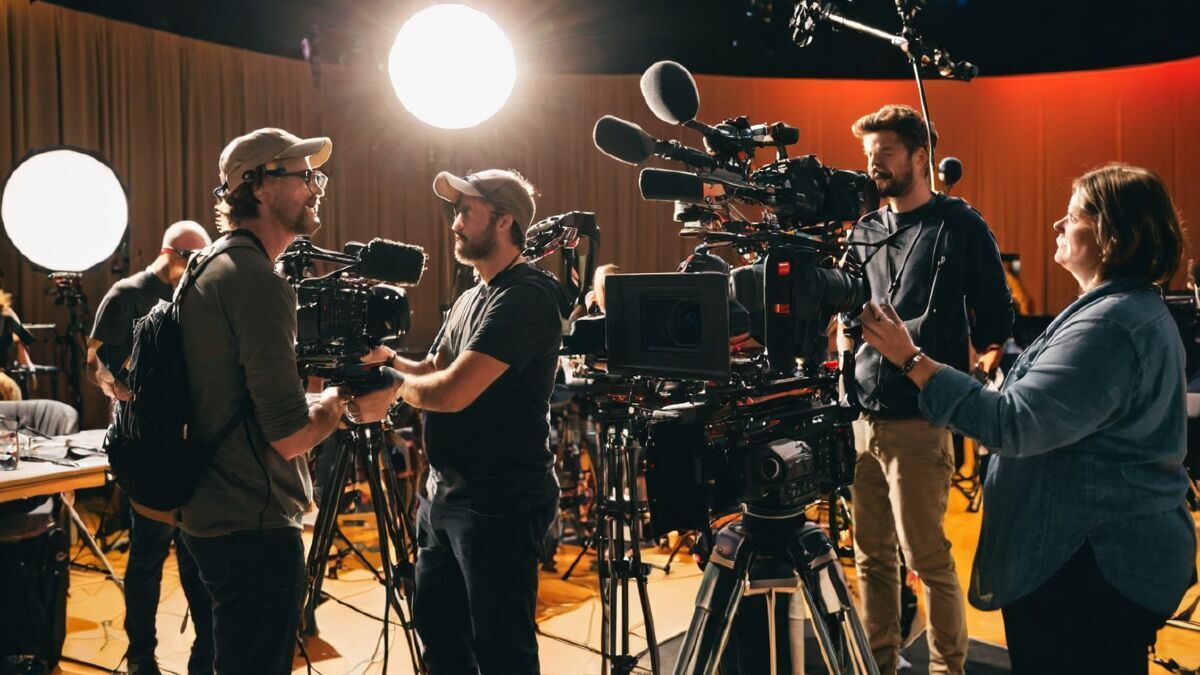
A detailed breakdown of the film crew: who to ask about your schedule, who handles your wardrobe, who commands the set during a take, and who you should never interrupt.

A step-by-step guide to analyzing casting notices: identifying non-negotiable requirements, flexible criteria, and red flags to help you decide within two minutes if you should apply.

Explore the actor's creative process from first script reading to final performance. A comprehensive guide to character construction, covering text analysis, physical embodiment, emotional preparation, subtext work, and the art of staying present on stage.
 Auditions in India
 Casting calls in USA
 Castingi w Polsce
 Кастинги в Україні
