Building a Character: An Actor's Creative Process
Behind the Scenes: ACMODASI: Building a Character: An Actor's Creative ProcessActing is often described as becoming someone else. The reality is more nuanced — it involves constructing a complete human being from fragments of text, imagination, and lived experience. This construction process follows no single blueprint, yet certain principles guide actors across traditions and methodologies.
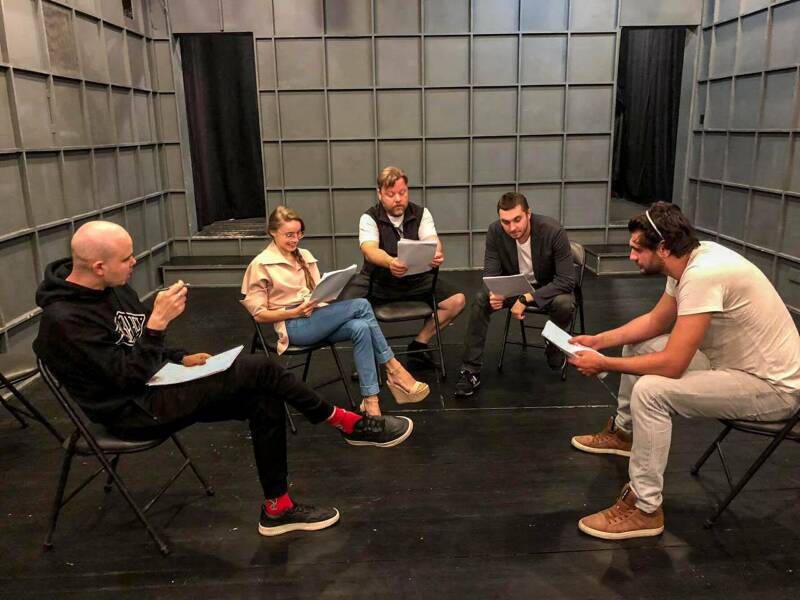
Reading for Discovery
The script arrives as a puzzle with missing pieces. The first responsibility is to read it completely, resisting the temptation to focus prematurely on one's own role. The story provides essential context; without understanding the whole, the part cannot be properly served.
Subsequent readings sharpen focus while maintaining awareness of the larger picture. The actor begins noting questions: What does my character want in this scene? What stands in their way? What is at stake if they fail? These questions multiply with each encounter with the text, forming a web of inquiry that guides deeper investigation.
Some actors read with pen in hand, marking moments of confusion or excitement. Others prefer to let impressions accumulate without external documentation, trusting memory to retain what matters. The method matters less than the commitment to genuine engagement with the material.
Constructing History
Every character arrives onstage or on set carrying a past. The script may provide fragments of biography — a mentioned hometown, a referenced event, a relationship history. But these fragments require expansion into a coherent life story.
The actor becomes a novelist of sorts, inventing the character's childhood, their formative experiences, their private triumphs and failures. This imagined history need not be written down, though many actors find documentation helpful. What matters is that it exists as a felt reality, informing present-tense behaviour without being explicitly performed.
This biographical work extends to the smallest details. What did this person eat for breakfast? What do they dream about? What song is stuck in their head? Such specificity might seem excessive, yet it builds the density of reality that distinguishes compelling performance from surface imitation.
Discovering the Body
Character manifests physically before it speaks. Posture, gait, gesture, the use of space — these elements communicate identity as powerfully as any line of dialogue. The actor must discover how this particular person inhabits their body.
This discovery often begins with questions. Is the character comfortable in their physical form? Do they lead with their head, their chest, their hips? Where do they hold tension? How do they breathe? The answers emerge through experimentation, trying different physical approaches until something clicks into truth.
External observation feeds this process. The actor watches people — strangers, acquaintances, public figures — collecting physical vocabularies that might serve the character. A particular way of crossing arms, a distinctive head tilt, a characteristic rhythm of movement might spark recognition: yes, this belongs to the person I am building.
The physical and psychological interweave constantly. A choice about how the character sits might reveal something about their emotional state. A discovered gesture might unlock understanding of their relationship to power or vulnerability.
Charting the Emotional Journey
Drama tracks transformation. Characters begin in one condition and end in another, changed by the events they experience. The actor must map this journey precisely, understanding what shifts occur and where.
This mapping requires identifying key moments — the turning points where something fundamental changes. Perhaps the character receives devastating news, or achieves a long-sought goal, or makes a decision that alters everything. Each such moment demands specific attention: what exactly happens inside the character, and how does it register externally?
Between turning points lie passages of development, where change accumulates gradually. The actor tracks these subtler evolutions, ensuring that the arc remains coherent from beginning to end. The character at the conclusion must feel like the inevitable result of everything that came before.
Working with Subtext
What characters say rarely captures the full truth of what they mean. Beneath the surface of dialogue runs a current of unspoken thought and feeling — the subtext that gives words their weight and complexity.
The actor must know this subtext intimately. For every line, they ask: what is actually happening inside my character as they speak these words? What are they thinking but not saying? What do they want the other person to understand, and what do they want to conceal?
This inner life creates the layers that make characters fascinating. A simple phrase like "thank you" carries entirely different meanings depending on the subtext beneath it — gratitude, sarcasm, dismissal, desperation, love. The actor's access to this underlying reality determines how richly the words land.
Engaging with Partners
Performance exists in relationship. Even the most dominant character defines themselves partly through their connections to others. The actor investigates these relationships with the same rigour applied to individual character work.
What does my character want from this other person? What do they fear about them? What history shapes their interaction? Where is there genuine connection, and where are there barriers? These questions illuminate the dynamic territory where drama actually lives.
In rehearsal and performance, this relational awareness manifests as genuine responsiveness. The actor remains open to what their scene partners offer, allowing others' choices to affect their own moment by moment. Performance becomes dialogue rather than parallel monologue.
Rehearsal as Laboratory
The rehearsal room provides space for experimentation and failure. Here the actor tests choices, discovers what works, and abandons what does not. The freedom to try and fail enables discoveries that caution would prevent.
Early rehearsals often involve broad exploration — large physical choices, extreme emotional commitments, unusual interpretations. This expansive phase establishes the range of possibility before refinement narrows focus to what serves the production.
As rehearsal progresses, choices solidify without becoming rigid. The actor develops reliable pathways through the material while maintaining the freshness that keeps performance alive. The goal is structured spontaneity — a framework that enables rather than constrains genuine presence.
Technical Integration
Acting involves craft alongside inspiration. Technical skills — voice production, physical control, text analysis, emotional access — provide the tools through which creative vision manifests. These skills require ongoing development throughout an actor's career.
Different roles demand different technical emphases. A classical text might require exceptional vocal range and stamina. A physically demanding role might prioritize movement skills. An emotionally intense part might depend on reliable access to vulnerable states. The actor assesses each role's requirements and addresses gaps in preparation.
Ultimately, technique must become invisible. The audience should see a living person, not an actor demonstrating skill. Technical mastery serves its purpose best when it disappears into the seamless reality of character.
Finding Freedom Through Preparation
Thorough preparation creates the conditions for spontaneity. When the analytical work has been completed, when the character's history and psychology have been absorbed, when the physical and vocal choices have been integrated — then the actor can release into the moment.
This release is not abandonment of preparation but its fruition. Everything learned remains available, operating below conscious thought. The actor responds authentically within the character because they have so thoroughly internalized who that character is.
Performance at this level feels paradoxically effortless despite the enormous effort that enabled it. The character lives; the actor witnesses and channels that life. The boundary between performer and role becomes permeable, allowing something genuine to emerge.
The Ongoing Conversation
A role continues to develop through every performance. New insights arise, deeper layers reveal themselves, understanding evolves. The actor remains curious and open, willing to discover what the role still has to teach.
This ongoing relationship keeps performance vital. Work that might grow stale through repetition stays alive because the actor approaches each night as a fresh encounter. The character remains a living question rather than a solved problem.
The work of building a character thus never truly concludes. It begins with a script and extends through performance, always inviting deeper engagement, always offering more to understand. This inexhaustibility may be what draws actors to their craft across entire lifetimes — the promise that the next role will reveal something not yet known.
Share


Author: Tom Ashwell, training and craft editor
Publication date: January 16 2026
Views: 1065
Comments
Other materials in this section

Learn how talent database searches work, why listing a skill without a proficiency level is ineffective, and which phrasing helps you land in the final selection.

A guide to the essential photo set, the correct image order, and how to avoid common mistakes that can hurt your casting chances.

A self-study program covering breathing, articulation, diction, and intonation. Learn what to do daily, how to track your progress, and when it is time to seek professional coaching.
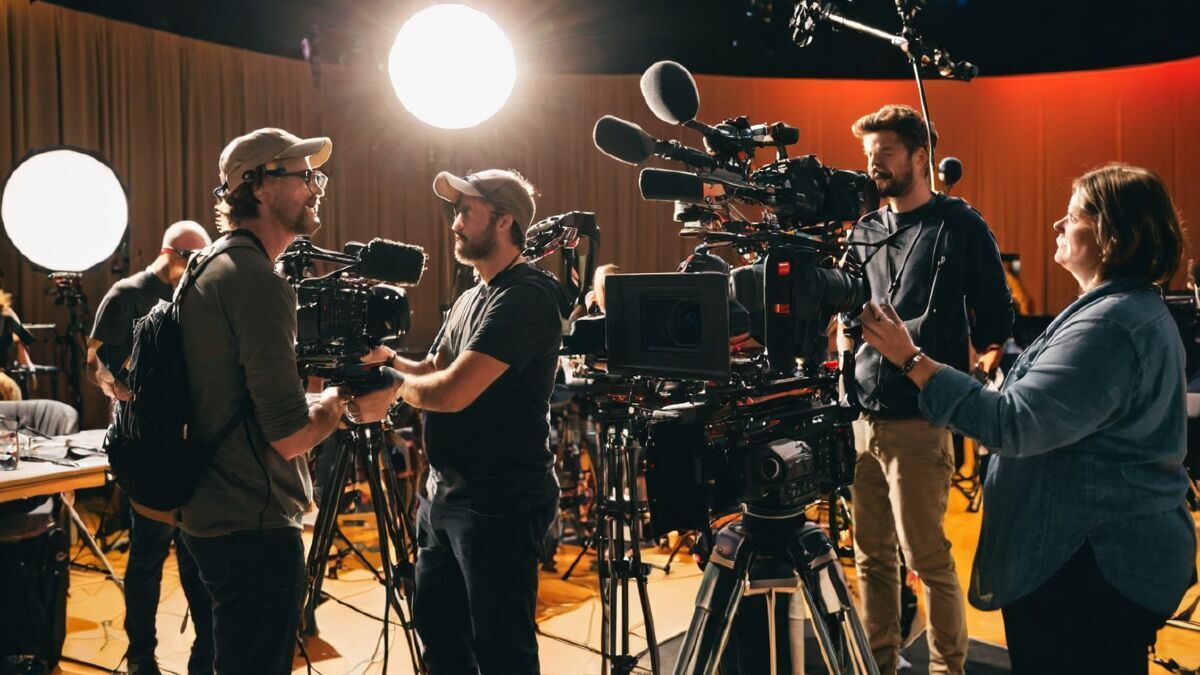
A detailed breakdown of the film crew: who to ask about your schedule, who handles your wardrobe, who commands the set during a take, and who you should never interrupt.

A step-by-step guide to analyzing casting notices: identifying non-negotiable requirements, flexible criteria, and red flags to help you decide within two minutes if you should apply.
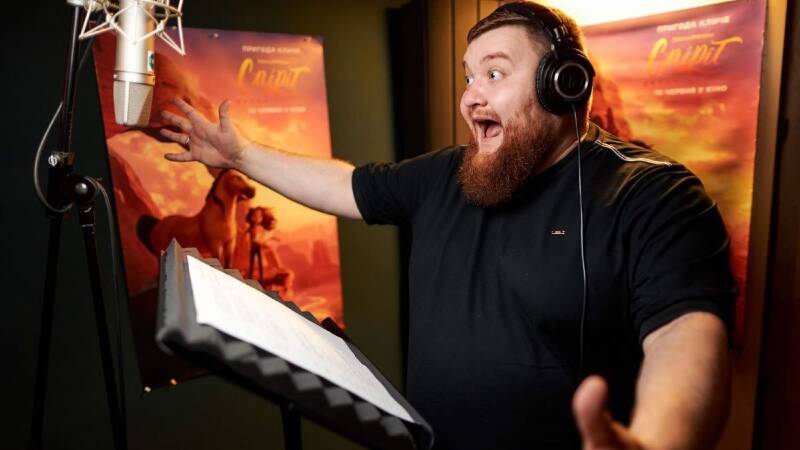
When an actor steps into a recording booth, they leave behind nearly every tool of their trade. No costume, no set, no fellow performers to play against. What remains is voice — and the extraordinary challenge of making it carry everything.
 Auditions in India
 Casting calls in USA
 Castingi w Polsce
 Кастинги в Україні
