The Craft of Voice Acting: Bringing Characters to Life Through Sound Alone
Behind the Scenes: ACMODASI: The Craft of Voice Acting: Bringing Characters to Life Through Sound Alone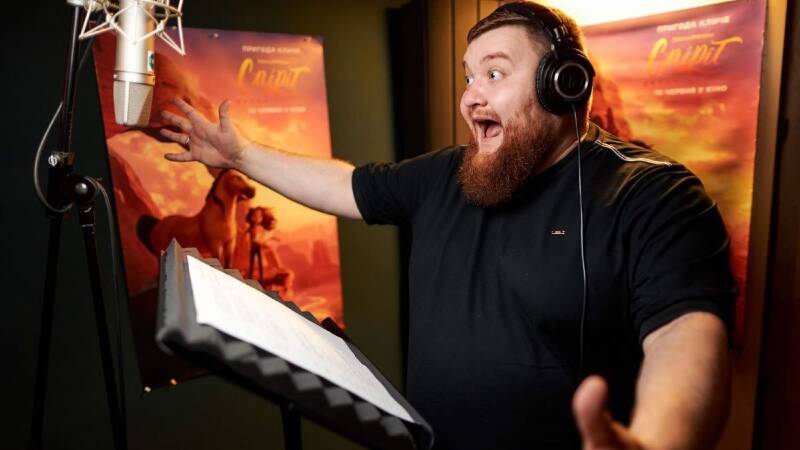
Acting Without Being Seen
Most audiences give little thought to the voices behind their favourite animated characters or the seamless dubbing that lets them enjoy foreign films. Yet this invisible art form demands a particular kind of excellence. The voice actor must accomplish with sound alone what their on-screen counterparts achieve through an entire repertoire of physical expression.
Consider what gets stripped away: the raised eyebrow that signals scepticism, the subtle shift in posture that reveals discomfort, the meaningful glance that speaks volumes. In voice work, all of these must somehow find their way into the audio. The challenge is not merely technical — it is fundamentally creative.
The Physical Foundations
Breath control sits at the heart of vocal performance. The diaphragm becomes the engine that powers everything else, enabling sustained delivery and nuanced inflection. Without this foundation, even the most talented performer will struggle.
Clarity of speech matters enormously, though not in the rigid way one might expect. The goal is not robotic enunciation but rather conscious control — knowing when to let words tumble together naturally and when each syllable must land with precision. In visual media, context helps fill gaps in comprehension. In pure audio, the voice must do all the work.
Equally important is command of one's full vocal range. This extends beyond simply hitting different notes to understanding how pitch, resonance, and placement shift with emotion and intention.
The Particular Demands of Dubbing
Dubbing presents its own unique puzzle. The performer must match their delivery to lip movements that belong to someone else — someone who spoke different words in a different language. The adapted script helps, but the actor still faces countless micro-decisions about timing, emphasis, and rhythm.
Yet technical synchronisation cannot become the priority. An audience might tolerate lips that do not quite match the words. They will not tolerate a performance drained of life in pursuit of perfect sync. The character must come first; the technical constraints must be navigated without sacrificing authenticity.
Constructing a Voice
Every character requires their own distinct vocal identity. The process begins with the same questions any actor would ask: background, motivation, relationships, worldview. But the answers must translate into purely sonic choices.
A character's social class might manifest as placement — where the voice seems to resonate. Weariness could emerge through pacing and breath. Suppressed anger might reveal itself in tonal quality, a certain tightness or edge. The voice actor builds a complete portrait using only these audio elements.
Once established, this vocal identity must remain consistent across potentially hundreds of recording sessions. The performer develops what might be called a vocal fingerprint for each character — a reliable, repeatable approach to how that particular person sounds.
The Body Behind the Microphone
Here lies one of voice acting's great ironies: to sound genuine, the body must be fully engaged even though no one will see it. Recording a scream while sitting motionless produces a fundamentally different sound than one backed by physical commitment.
This explains why voice actors so often work on their feet, gesturing expansively at empty air, their faces contorting with expressions no camera will capture. The body and voice cannot be separated. The listener may not see the physicality, but they will absolutely hear its absence.
Different Worlds, Different Approaches
Animation liberates the voice from physical constraint. When no human face must be matched, the vocal possibilities become limitless. Performers can create sounds that exist nowhere in reality — voices for dragons, robots, creatures from imagination.
Live-action dubbing requires something closer to collaboration with an absent partner. The original actor's choices must be honoured even as the dubbing artist brings their own interpretation. It is a delicate negotiation between two performances that will never actually meet.
Interactive media introduces branching complexity. The same line might need delivery in a dozen emotional variations, each one authentic, all of them recognisably the same character. This demands both versatility and consistency — the ability to shift states rapidly without losing coherence.
Commercial and documentary narration occupy yet another space entirely, where the goal is often invisible excellence. The voice should inform, persuade, or reassure without calling attention to itself as a performance.
What the Work Requires
Stamina matters more than outsiders might expect. Recording sessions stretch for hours, demanding sustained vocal health and energy. Proper technique protects against damage; regular conditioning builds endurance.
Efficiency carries real value. Studio time costs money, and performers who can deliver strong takes quickly find themselves in demand. This requires preparation, focus, and the ability to incorporate direction without lengthy deliberation.
Direction itself is an essential element. Voice acting rarely happens in isolation — there are producers, engineers, creative directors all shaping the final product. The skilled performer knows how to receive feedback, adapt their approach, and contribute ideas without derailing the process.
Developing the Craft
Traditional acting training provides the essential groundwork. The principles that govern any performance — intention, stakes, relationship, arc — apply fully to voice work. Technical microphone skills and synchronisation technique build upon this foundation rather than replacing it.
There is no substitute for dedicated practice. Recording oneself and listening critically, reading diverse material aloud, experimenting with characterisation — these activities accumulate into expertise over time. The learning never truly concludes.
The human voice carries remarkable expressive potential. Mastering its possibilities represents a lifetime's pursuit, which may be precisely why those who do this work find it so endlessly engaging.
Share


Author: Tom Ashwell, training and craft editor
Publication date: January 16 2026
Views: 1125
Comments
Other materials in this section

Learn how talent database searches work, why listing a skill without a proficiency level is ineffective, and which phrasing helps you land in the final selection.

A guide to the essential photo set, the correct image order, and how to avoid common mistakes that can hurt your casting chances.

A self-study program covering breathing, articulation, diction, and intonation. Learn what to do daily, how to track your progress, and when it is time to seek professional coaching.
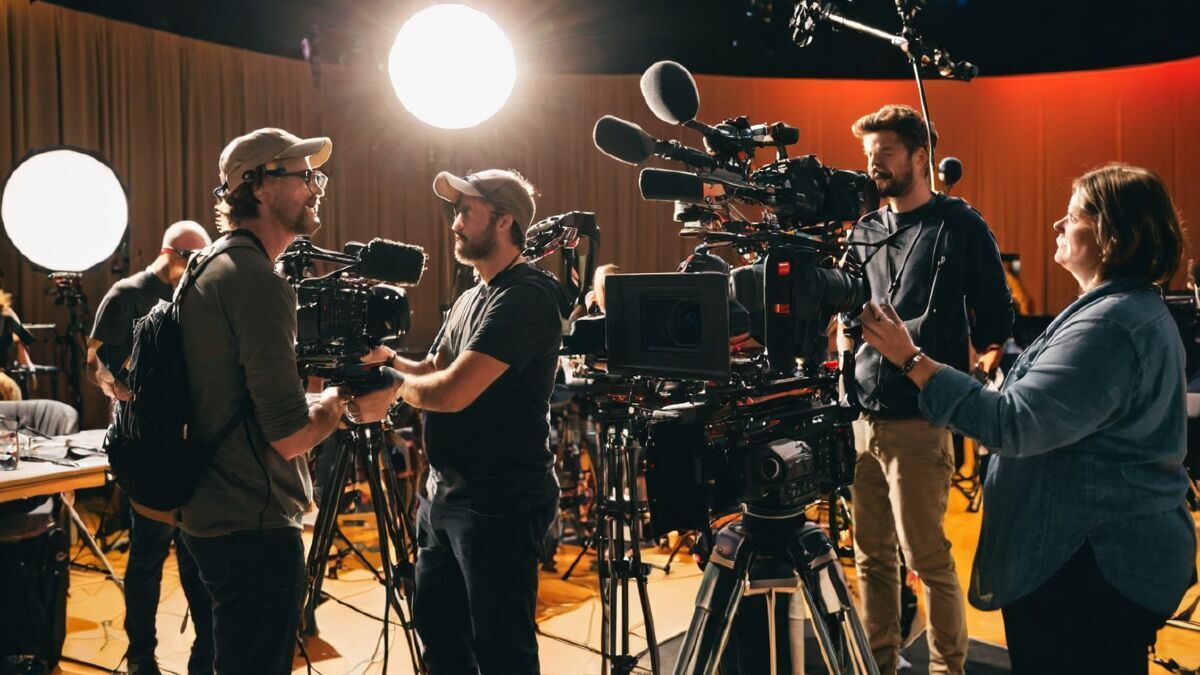
A detailed breakdown of the film crew: who to ask about your schedule, who handles your wardrobe, who commands the set during a take, and who you should never interrupt.

A step-by-step guide to analyzing casting notices: identifying non-negotiable requirements, flexible criteria, and red flags to help you decide within two minutes if you should apply.

Explore the actor's creative process from first script reading to final performance. A comprehensive guide to character construction, covering text analysis, physical embodiment, emotional preparation, subtext work, and the art of staying present on stage.
 Auditions in India
 Casting calls in USA
 Castingi w Polsce
 Кастинги в Україні
