How to become a hand and foot model and start a career in the industry
Behind the Scenes: Fashion and Modelling: How to become a hand and foot model and start a career in the industryA close-up of a hand holding a smartphone, feet in new sneakers, or fingers opening a package—these shots are filmed separately and performed by specialized models. While this is a smaller niche, it offers constant demand and a lower barrier to entry than almost any other modeling segment.
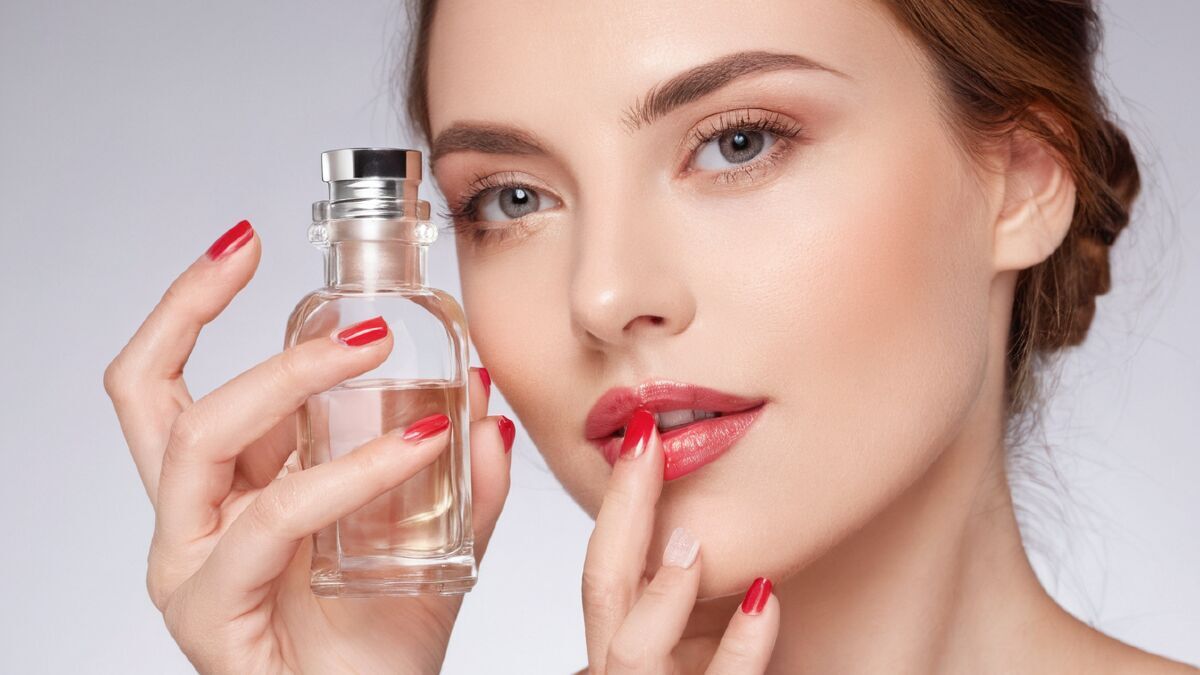
Who Needs These Models
- Tech Advertising: Constant demand for hands interacting with phones, tablets, and laptops.
- Cosmetics and Skincare: Applying creams, nail polish, and demonstrating product textures.
- Jewelry and Watches: A significant and dedicated market of its own.
- Food and Packaging: Hands opening, pouring, or cutting.
- Footwear and Hosiery: Specifically for foot models.
- Medical and Pharmaceutical: Demonstrating the use of devices or medications.
- Hand/Foot Doubles: When the lead actor's hands or feet do not meet the specific aesthetic requirements for a close-up.
Requirements
In this segment, the focus is not on overall appearance, but on a specific part of the body. The requirements are quite precise.
Hands:
- Smooth skin without scars, spots, prominent veins, or dryness.
- Proportional fingers and neat joints.
- Healthy nails with a proper shape and no damage.
- No tattoos in the shooting area—or a willingness to have them covered.
- An even skin tone.
Feet:
- Well-groomed feet with smooth skin on the heels.
- Healthy nails and straight toes.
- Standard shoe size—medium sizes are most often required because prototypes are typically made to these specifications.
- Absence of prominent veins or deformities.
Age and facial features are almost irrelevant, as are height and weight. This makes the segment accessible to those who may not fit traditional modeling standards.
On-Set Essentials
- Stillness. Holding a hand in one position for several minutes is physically harder than it seems. Muscles can shake, blood flow changes, and skin can turn pale.
- Precision of Movement. The ability to grip an object exactly the same way for the twentieth time.
- Slow Tempo. All movements on camera are performed slower than in real life to avoid motion blur.
- Working Blind. You often cannot see the frame and must act based on directions like "higher," "more to the left," or "rotate slightly."
- Patience. A shift often consists of dozens of takes of a single gesture.
Maintenance: Daily Work
This is the main difference in this segment: hands and feet must be maintained in top condition constantly, rather than just prepared the day before a shoot.
- Moisturize several times a day, especially after contact with water.
- Wear gloves during cleaning and dishwashing. Household chemicals damage the skin most rapidly.
- Wear gloves in winter. Windburn and cracks can lock you out of the market for weeks.
- Regular manicures and pedicures. Nail shape must remain consistent; neutral or transparent polish is usually preferred for shoots.
- Everyday caution. A simple cut or burn can lead to a cancelled shoot.
- Sun protection. Pigmentation spots on the hands often appear sooner than on the face.
- For feet: Regular heel treatment, comfortable footwear, and avoiding blisters.
Portfolio
A portfolio can be assembled quickly at home:
- Hand with palm up and down against a neutral background.
- Hand gestures: holding an object, pointing, and a clenched fist.
- Close-ups of the nails.
- Hand with a phone, a cup, or a pen—typical commercial scenarios.
- For feet: the foot from the side, from above, both with and without shoes.
- Crucially: use natural daylight, a neutral background, and no retouching.
In your application, specify your glove size, finger length, shoe size, and the presence or absence of tattoos and scars.
Payment and Rates
Rates are generally comparable to standard commercial shoots and depend on the same factors: project type, duration, and usage rights. While shifts may be shorter than traditional shoots, they require a higher level of precision.
Usage rights (buyouts) are negotiated separately. Commercials featuring close-ups of hands function like any other advertisement, so it is essential to verify the duration of the usage term. Please note that specific rates, contract forms, and tax rules vary by market.
Pros and Cons
Pros: Low barrier to entry, no requirements regarding age or body shape, stable demand, shorter shifts, and the ability to balance this with other work.
Cons: Constant maintenance as a professional obligation, risk of losing work due to domestic injuries, physically uncomfortable poses, and a lack of facial recognition or a traditional acting portfolio.
Summary
- Demand comes from tech, cosmetics, jewelry, food, and footwear advertising.
- The focus is on a specific body part; face, age, and height are not important.
- Key skills include stillness, precision, and a slow tempo.
- Maintenance is a daily routine; using gloves at home is mandatory.
- Portfolios should be shot at home in daylight without editing.
- Usage rights should be checked just as they are in standard commercial modeling.
Check out available opportunities, including specialized roles, in the castings section.
Share


Author: Svetlana Lisa, Stylist and fashion designer
Publication date: September 30 2026
Views: 6
About us and our editorial policy
Comments
Other materials in this section
Learn how daily heavy makeup affects your skin, the correct way to remove it after a shift, and how to restore your skin barrier when breakouts occur during a project.
Discover which segments hire plus size models, how requirements and measurements differ, and how to build a portfolio that gets you hired.
Discover which market segments actively hire mature models, how requirements differ from the youth market, and the best way to enter the profession later in life.
Discover why catalog shoots are the "bread and butter" of the modeling industry, how a high-volume shoot day works, and how to break into this segment.
A comprehensive guide on what to expect during a studio day, from packing your bag to working with the crew and avoiding common beginner mistakes.
 Auditions in India
 Casting calls in USA
 Castingi w Polsce
 Кастинги в Україні
