The unique challenges and nuances of plus size modeling
Behind the Scenes: Fashion and Modelling: The unique challenges and nuances of plus size modelingThe plus size segment is no longer a niche; clothing manufacturers are now showcasing garments on the people who actually buy them, and the consumer audience is massive. However, this market operates by its own set of rules, and attempting to enter it using "junior" or standard fashion modeling metrics does not work.
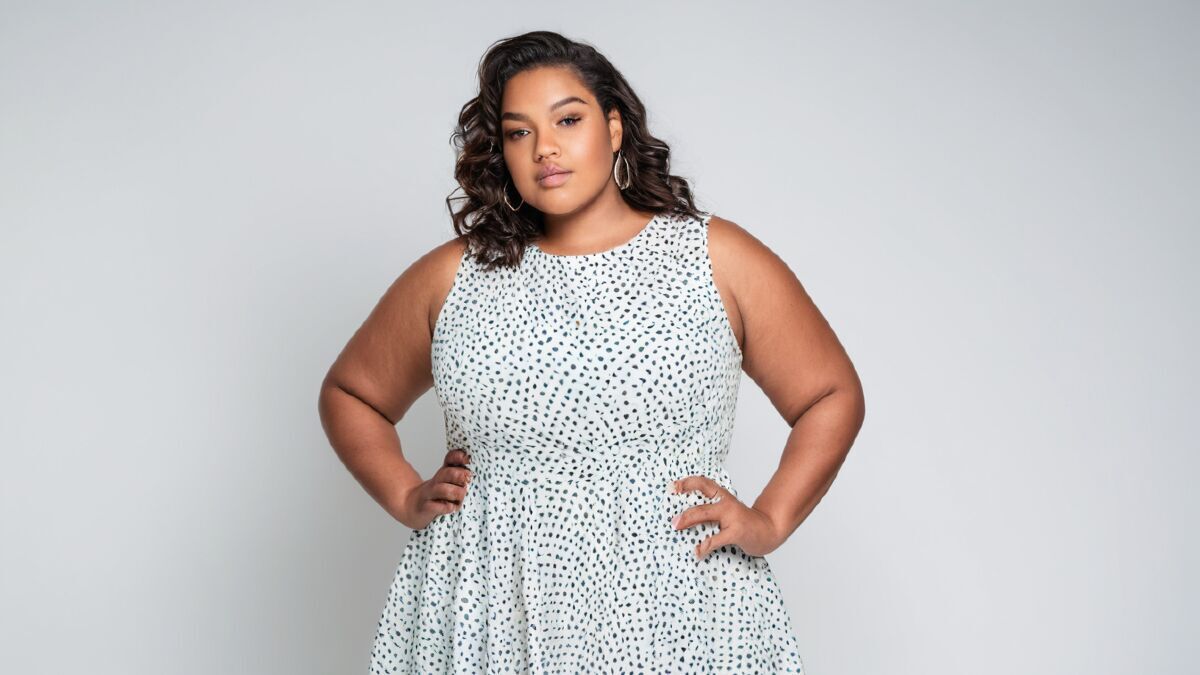
Where the Work Is
- Catalog Shoots. The most primary and stable segment: stores constantly shoot their plus size lines.
- Commercials/Advertising. Home goods, food, healthcare, banking — these sectors always need relatable, everyday people.
- Specialized Clothing Brands. A growing segment with its own dedicated roster of models.
- Lingerie and Swimwear. Dedicated lines for larger sizes.
- Athletic Brands. The body positive movement in sports is evolving rapidly.
- Runway. Less frequent, but these opportunities do exist.
- Film and Television. Diverse body types are in high demand, and the entry point is open.
Requirements: Key Differences
The main difference is that "size" itself is not the priority; rather, proportionality and fitting the size chart are what matter. A brand creates samples for a specific size, and the model must fit into them just as precisely as a model in the junior segment would.
- Stable Measurements. Fluctuating sizes are the primary reason models stop receiving bookings.
- Height. Often not critical for catalogs, though requirements remain for runway work.
- Posture. In this segment, posture is even more noticeable and vital: it is what distinguishes a professional model from a random person in the frame.
- Skin and Hair Condition. This is a standard requirement for all models.
- On-Camera Confidence. Clients need a model who doesn't hide from the camera — stiffness is immediately apparent.
Measurements
Measure yourself honestly and update your stats every couple of months:
- Height and weight.
- Bust, under-bust, waist, and hip circumference.
- Upper arm, wrist, and thigh circumference.
- Sleeve length and trouser inseam.
- Clothing size according to international and regional size charts.
- Shoe size.
Understating your measurements is useless: the discrepancy will be revealed in the fitting room, the shoot will be jeopardized, and you will be remembered as an unreliable professional.
Portfolio
In addition to the standard set, you must have:
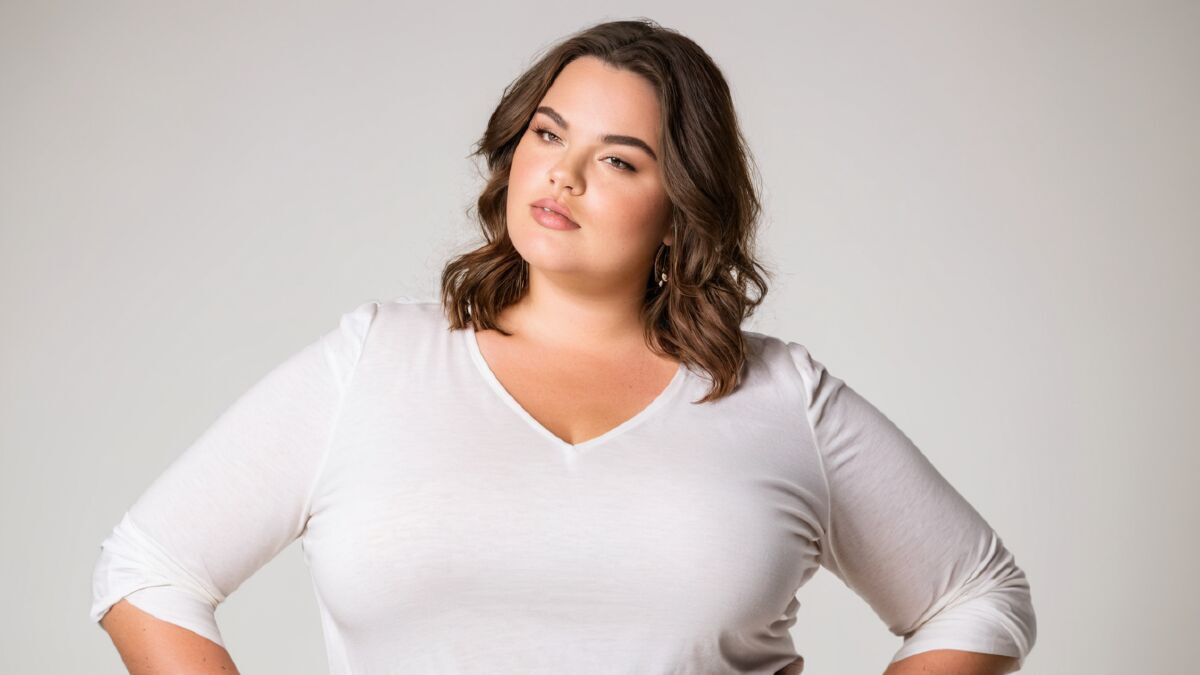
- Unedited Digitals (Polas) — mandatory, in form-fitting clothing to clearly show the silhouette.
- Full-body shots from several angles: front, profile, and back.
- Portrait. In catalogs and commercials, the face is just as important as the figure.
- Shots in various styles: business, casual, and athletic.
- Action shots. These demonstrate fluidity and confidence.
What to avoid: heavy retouching, "slimming" angles, and editing that hides the figure. All of this creates a gap between the image and reality, which will lead to rejection at the casting.
Common Barriers to Entry
- Camera Shyness. The most frequent barrier, and it isn't about looks. This is solved through practice: film yourself at home, review the footage, and repeat.
- Trying to "Look Smaller." Slouching, crossing arms, or posing half-turned — all of these are read as a lack of confidence.
- Unstable Sizes. If weight fluctuates significantly, the segment may become closed to you.
- Expecting High-Fashion Shoots Immediately. Most start with catalogs and commercials.
- Lack of Digitals. A beautiful portfolio without honest, raw shots does not work.
Physical Preparation
The goal is not weight loss, but overall shape: posture, tone, and endurance.
- Posture. Daily practice: opening the chest, working on the shoulder blades, and strengthening the back. Fifteen minutes a day yields visible results within a month.
- Endurance. A typical shooting day means being on your feet for eight hours.
- Weight Stability. Sharp fluctuations harm a career more than the actual size does.
- Skin Care. Especially in areas visible during lingerie and swimwear shoots.
How to Get Started
- Take digital snapshots: front, profile, back, and portrait — at home in natural daylight.
- Take all your measurements and record them.
- Fill out an application with honest data and specify your segment.
- Apply for catalog shoots and commercials — this is where most of the openings are.
- Practice a basic set of poses in front of a mirror and a camera.
- After your first few jobs, build a portfolio using professional working shots.
Note: Please be aware that pay rates, contract forms, and tax regulations vary by market and region.
Summary
- The primary work is in catalogs, commercials, and plus-size brands.
- The key is not "size," but fitting the size chart and maintaining stable measurements.
- Posture and on-camera confidence matter more than specific parameters.
- Unedited digital snapshots are mandatory.
- Stiffness and trying to "look smaller" are the main barriers.
- Start with catalogs, not high fashion.
Find casting calls for all model types in the castings section.
Share


Author: Sophie Marsh, fashion and modelling editor
Publication date: September 09 2026
Views: 12
Comments
Other materials in this section
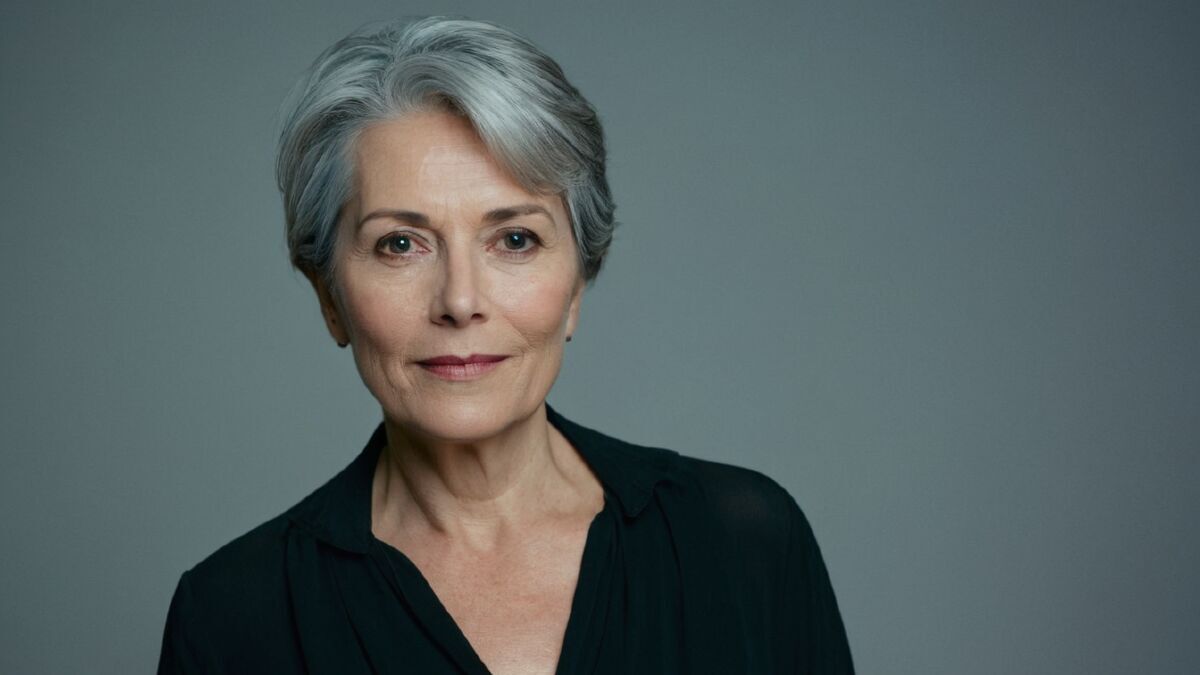
Discover which market segments actively hire mature models, how requirements differ from the youth market, and the best way to enter the profession later in life.
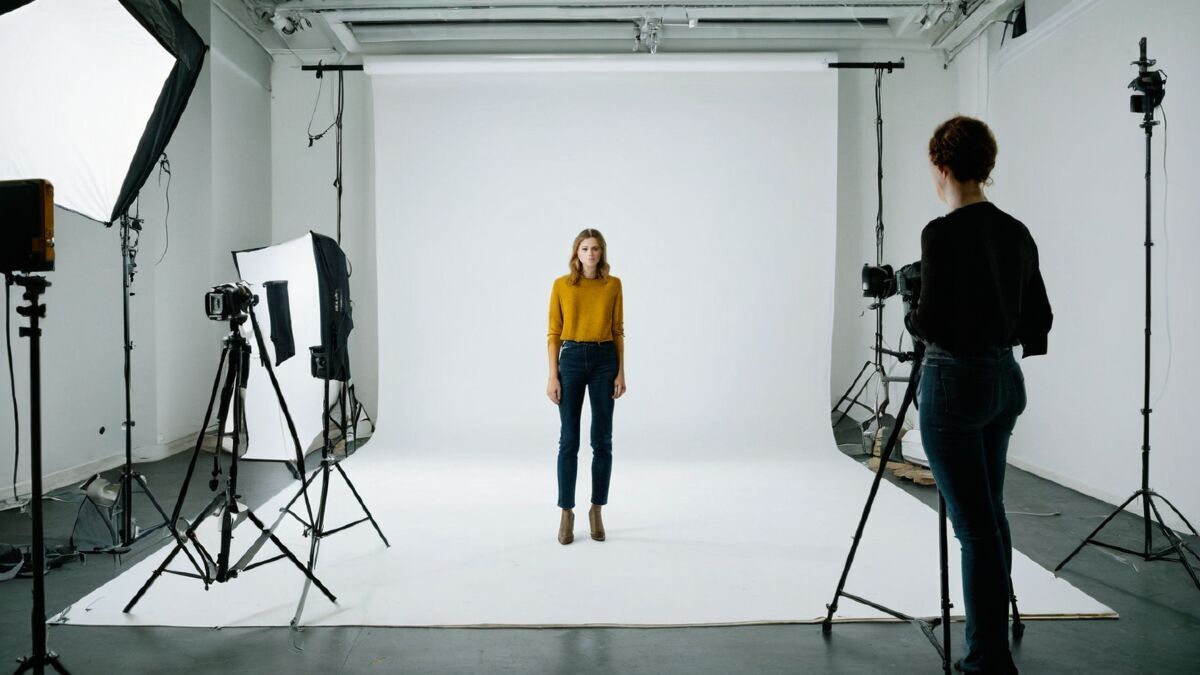
Discover why catalog shoots are the "bread and butter" of the modeling industry, how a high-volume shoot day works, and how to break into this segment.
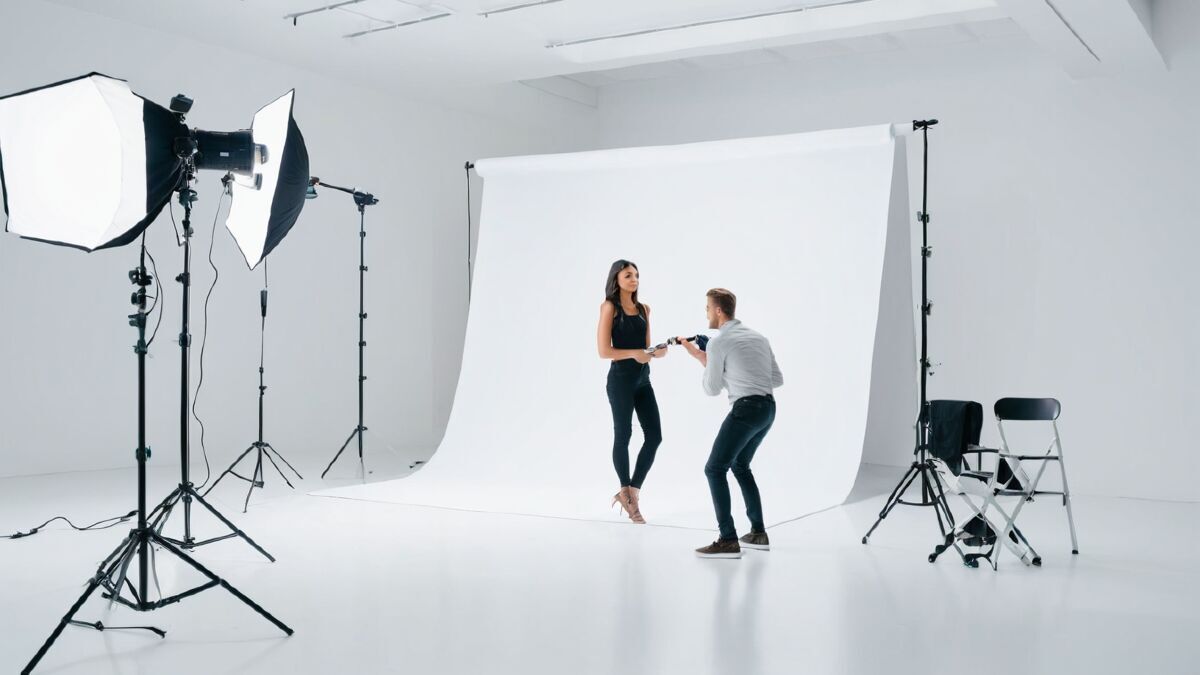
A comprehensive guide on what to expect during a studio day, from packing your bag to working with the crew and avoiding common beginner mistakes.
 Auditions in India
 Casting calls in USA
 Castingi w Polsce
 Кастинги в Україні
