Skin Care for Frequent Heavy Makeup
Behind the Scenes: Fashion and Modelling: Skin Care for Frequent Heavy MakeupWearing heavy makeup for twelve hours several days in a row is a professional strain comparable to physical labor. The skin reacts predictably: clogged pores, dehydration, irritation, and breakouts. All of this is manageable if you understand the mechanics.
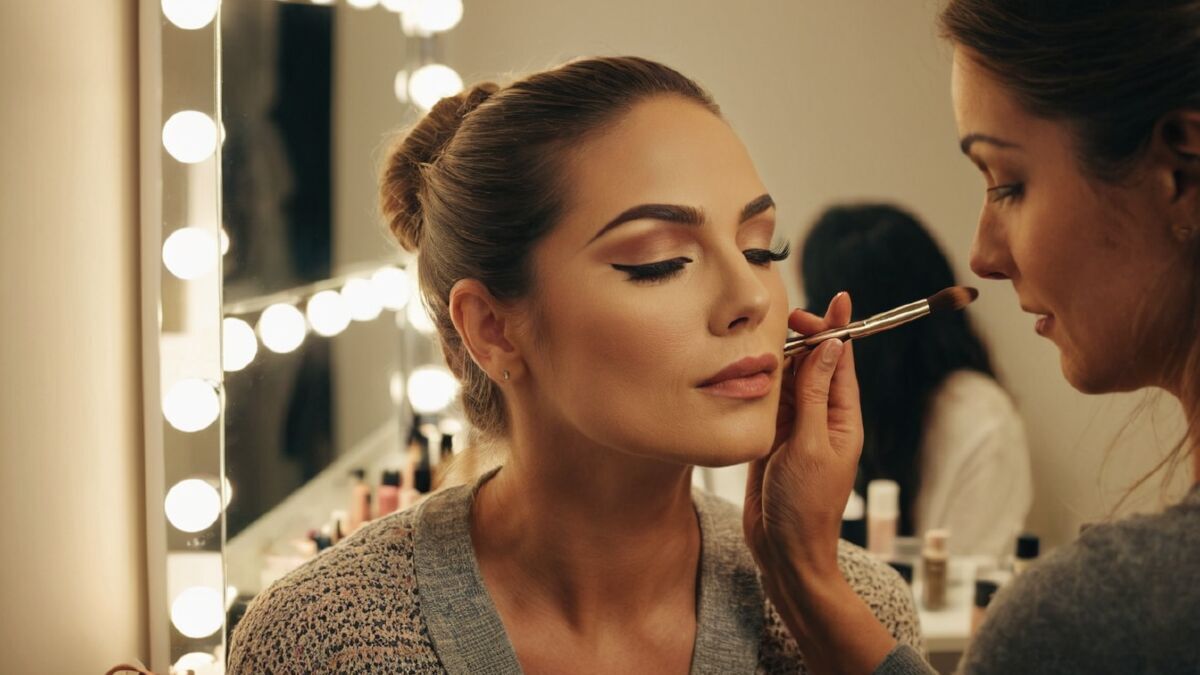
What Happens to the Skin
- Occlusion. Heavy foundation blocks the surface, preventing sebum from escaping and clogging the pores.
- Dehydration. Studio lighting, air conditioning, and long days without sufficient water intake.
- Mechanical Irritation. Sponges, brushes, frequent touch-ups throughout the shift, and removing makeup through friction.
- Barrier Disruption. Aggressive makeup removers and harsh cleansers.
- Reaction to New Products. On set, makeup artists often use what is available, which may not always be compatible with your skin type.
Before the Shift
- Cleanse gently and moisturize. Foundation applies and lasts poorly on dry skin.
- Allow the product to absorb — wait at least ten minutes before makeup application; otherwise, the foundation may slide or streak.
- Avoid peels and deep cleansings 24 hours prior. Exfoliated skin is more sensitive to foundation and prone to redness.
- Do not try new products. Avoid new creams or serums, as a reaction may only appear once you are already on set.
- Use a lip care product. Lips are usually the first area to dry out.
- Bring your own primer if you know what works for you; makeup artists are usually open to this.
During the Shift
- Drink water. Dehydration becomes visible on the skin by mid-day.
- Avoid touching your face. This is the primary way bacteria are introduced under the makeup.
- Blot, don't wipe. Remove sweat by blotting with a tissue; otherwise, the makeup smudges and the skin becomes irritated.
- Request your own products if you have sensitivities — makeup artists generally respect this.
- Report reactions immediately. Itching, burning, or redness is a reason to stop and change the product, not to endure it until the end of the shift.
After the Shift: The Crucial Stage
This is where most mistakes happen. The correct sequence is:
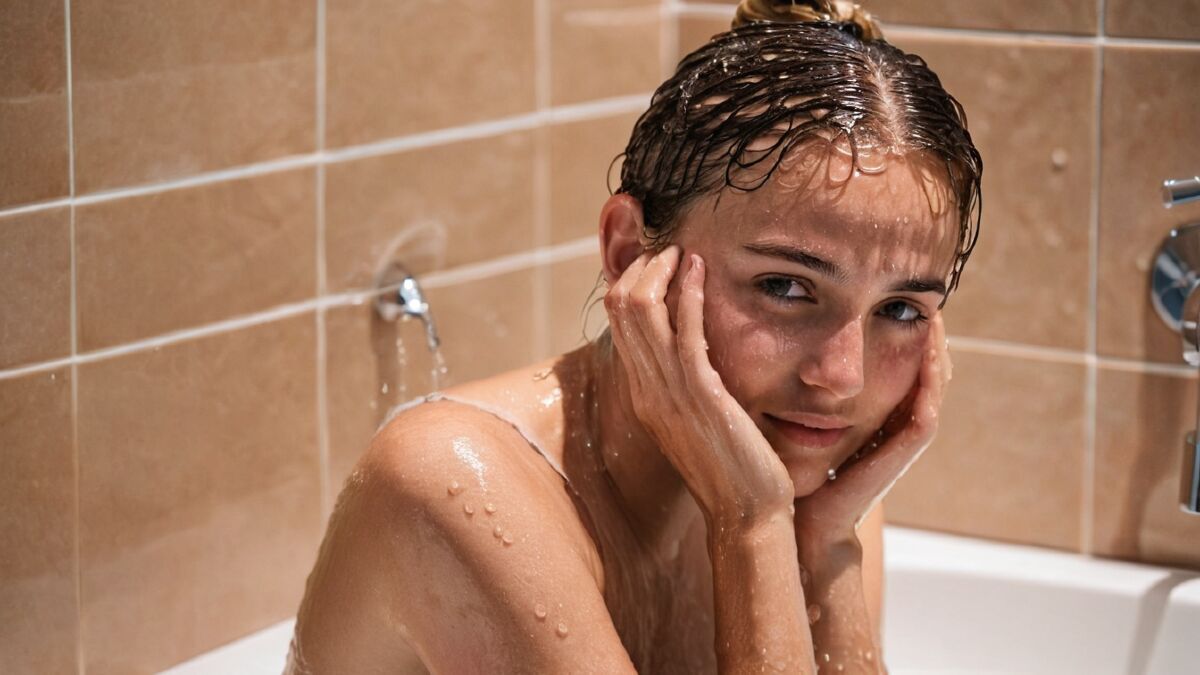
- Remove makeup with an oil or balm. Massage into dry skin for one to two minutes — this dissolves even the heaviest foundation. Do not rub with wipes.
- Emulsify with water and rinse.
- Cleanse with a gentle cleanser — this second stage of cleaning removes any remaining residue.
- Apply toner or a moisturizer to damp skin.
- Use a cream with repairing ingredients. Look for products that support the skin barrier.
What to avoid: removing makeup using only micellar wipes, rubbing the skin, using alcohol-based lotions, washing with hot water, or going to sleep without removing your makeup — the latter degrades skin condition faster than anything else.
Between Shooting Days
- Minimize decorative cosmetics. Your skin needs time to rest.
- Hydration and barrier restoration — this should be the foundation of your care during this period.
- Avoid overusing acids and active ingredients. The temptation to "deep clean" after heavy makeup is strong, but over-exfoliated skin will handle the next shift much worse.
- Sleep and water. It sounds basic, but it works better than half of the available skincare products.
If You Break Out Mid-Project
This is a common and solvable situation. Follow these steps:
- Do not pop or squeeze. Inflammation lasts longer afterward and is harder to cover with makeup.
- Tell your makeup artist. They can select a lighter coverage and use spot-concealing techniques.
- Simplify your home care to basic cleansing and moisturizing; now is not the time for experiments.
- Use spot treatments at night, not under makeup.
- Check the basics: sleep, water, clean pillowcases, and a clean phone screen.
- Consult a dermatologist for persistent reactions. Especially if breakouts appeared after a specific product; this could be an allergy that needs to be identified before your next project.
Specific Areas
Eyes. Lash glue, heavy shadows, and frequent touch-ups. Remove with a biphasic remover and do not rub. If redness or itching occurs, see a doctor rather than "toughing it out."
Lips. Long-wear lipsticks are very drying. Use a balm underneath and a restorative treatment after the shift.
Neck and Décolletage. These areas are often toned along with the face but are frequently forgotten during cleansing.
Hair. Daily use of hairsprays and styling products requires a deep cleansing treatment once a week.
What to Keep in Your Bag
- Your preferred makeup remover.
- A gentle cleanser in travel size.
- Moisturizer and lip balm.
- Alcohol-free wipes.
- A bottle of water.
Summary
- Heavy makeup clogs pores and dehydrates — focus on prevention.
- Before the shift: gentle cleansing, moisturizing, no new products or peels.
- On set: stay hydrated, don't touch your face, blot instead of rubbing.
- After the shift: oil-based removal, second cleanse, barrier restoration.
- Between days: minimal makeup and no aggressive actives.
- If breakouts occur: do not pop them, inform the makeup artist, simplify your routine, and see a doctor if the reaction persists.
Note that rates, contract forms, and tax rules differ by market. For shooting opportunities and model calls, visit the castings section.
Share


Author: Sophie Marsh, fashion and modelling editor
Publication date: September 18 2026
Views: 5
Comments
Other materials in this section
Discover which segments hire plus size models, how requirements and measurements differ, and how to build a portfolio that gets you hired.

Discover which market segments actively hire mature models, how requirements differ from the youth market, and the best way to enter the profession later in life.

Discover why catalog shoots are the "bread and butter" of the modeling industry, how a high-volume shoot day works, and how to break into this segment.
A comprehensive guide on what to expect during a studio day, from packing your bag to working with the crew and avoiding common beginner mistakes.
 Auditions in India
 Casting calls in USA
 Castingi w Polsce
 Кастинги в Україні
