What to expect at a fitting and how models should prepare
Behind the Scenes: Fashion and Modelling: What to expect at a fitting and how models should prepareA fitting is a garment trial that takes place before a shoot or a runway show. For a model, this is a distinct part of the job—often paid at a lower rate than the shoot itself or included in the overall project fee. It also serves as a second casting: during the fitting, the stylist and the brand make the final decision on which looks you will wear, or if you will be included in the project at all.
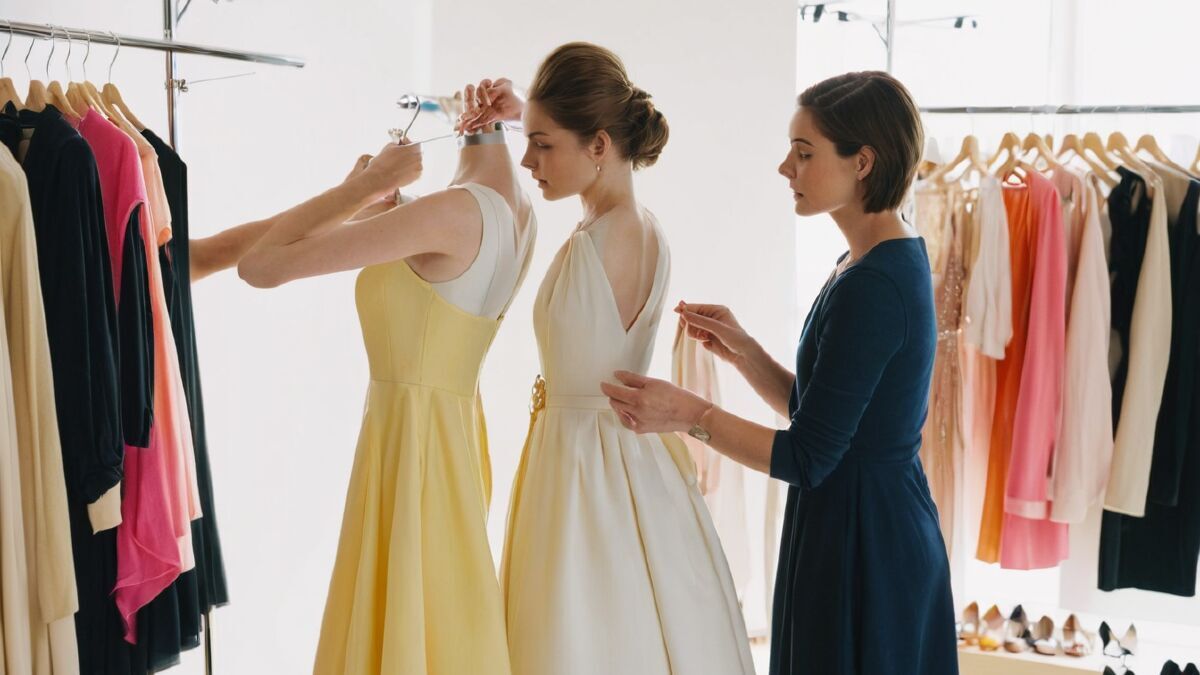
Why Fittings Are Necessary
- Checking the Fit. Measurements on paper and actual fit are two different things. Clothing can drape differently depending on a specific body shape.
- Assembling Looks. The stylist views the complete outfits—clothing, shoes, and accessories—and often changes the combination while the model is wearing it.
- Distributing Garments. When multiple models are involved, the fitting is where it is decided who wears what.
- Making Adjustments. Pinning, hemming, or tailoring—the tailor works based on the results of the trial.
- Planning the Sequence. The shooting order is often structured to minimize the number of outfit changes.
How the Fitting Process Works
- Arrival and Introduction. You will be met by the stylist or an assistant who will show you to the fitting area.
- Measurements. Sometimes they will take your measurements again, even if they already have your data.
- Trying on Outfits. This can range from a few looks to dozens. Each look is typically photographed—usually from the front against a neutral background.
- Discussion. The stylist and brand representative will discuss the look in your presence; this is normal and does not require your participation unless you are asked.
- Adjustments. The tailor may pin the fabric or mark it, sometimes asking you to stand perfectly still for a long period.
- Finalization. Outfits are labeled, photos are added to the look-book, and garments are hung in numerical order.
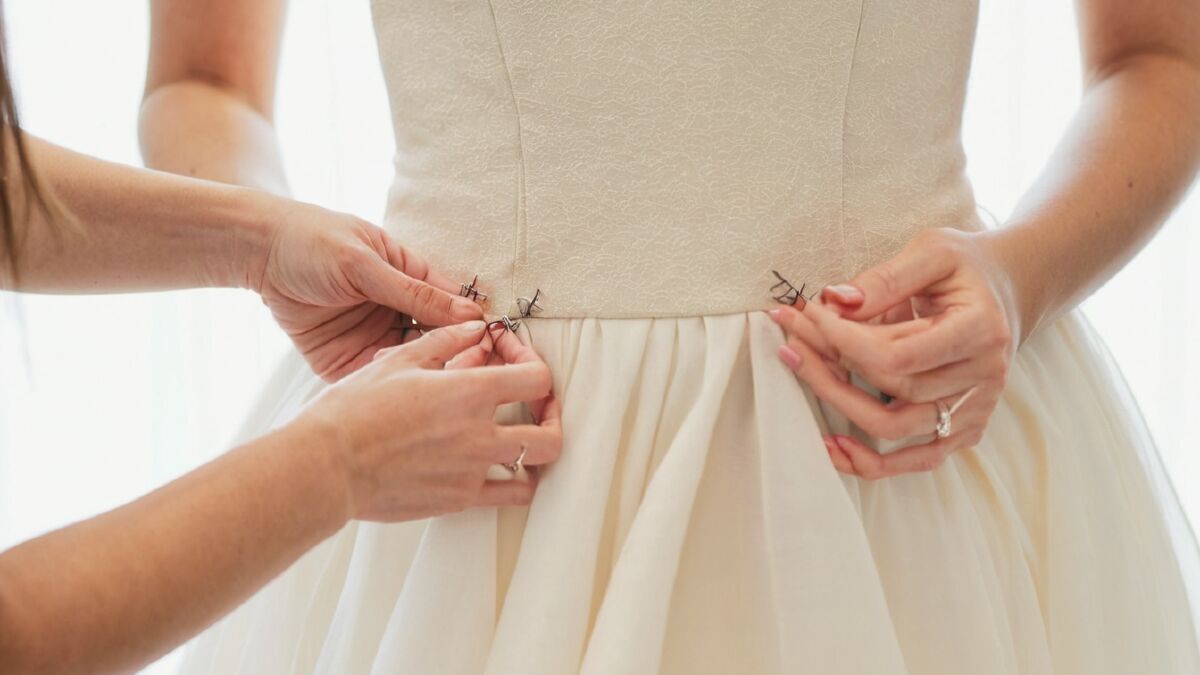
The duration can range from half an hour to several hours. Always clarify this in advance: a fitting for a large catalog can easily take half a day.
What to Bring With You
- Nude Seamless Underwear. This is a basic requirement. A wireless bra with smooth cups and seamless panties, all in a shade that matches your skin tone, rather than white or black.
- Seamless Top and Shorts — for fittings where changing happens in a shared space.
- Your Own Heels and Ballet Flats. Even if shoes are provided, your own are useful for checking the length of trousers or dresses.
- Tidy, Tied-Back Hair. Bring hair ties and bobby pins so your hair doesn't interfere when putting clothes on over your head.
- Minimal Makeup. Foundation can transfer to collars, which is a serious problem for the brand.
- Your Comp Card or Portfolio Link — sometimes these are requested on the spot.
- Water and Snacks. Long fittings often proceed without scheduled breaks.
What to Avoid Before a Fitting
- Do not use self-tanners or body oils. Stains on light-colored clothing are direct damage to the brand and a reputational disaster for the model.
- Do not apply heavy foundation or bright lipstick.
- Do not use strong perfumes. Scents linger on the garments.
- Do not arrive with a fresh manicure that is still drying.
- Do not change your appearance the day before a shoot. Haircuts, hair color changes, or tanning should only be done after prior agreement.
Professional Behavior During the Fitting
This is part of your job, and you are judged on it just as much as your appearance.
- Be Punctual. Fittings are usually scheduled in tight slots, and being late pushes everyone back.
- Change Quickly. The speed of changing outfits is a professional skill that is noticed and appreciated.
- Handle Clothes with Care. Unfasten buttons and zippers instead of pulling clothes over your head; take off your shoes when putting on trousers; do not sit down while wearing clothes held together by pins.
- Avoid Subjective Comments. Saying "this color is terrible" in front of the designer can end the collaboration immediately.
- Communicate Discomfort Factually. "It's tight in the shoulders, I can't lift my arm" is useful information. "I don't like it" is not.
- Stand Still and Be Patient. The tailor needs you to remain motionless; complaining about fatigue can reduce the quality of the fit.
- Do Not Take Photos. Collections are confidential before their release; taking photos on a phone without permission is a serious breach.
- Do Not Post Anything. Even mentioning the brand before the official announcement may violate your agreement.
What to Say If a Garment Doesn't Fit
This is a common situation: the size is wrong, the zipper won't close, or the length is off. The correct reaction is to be calm and avoid over-apologizing: "This doesn't zip up" or "It's loose in the waist, it can be pinned." Stylists deal with this daily.
What NOT to do: do not try to force yourself into a garment (this rips seams and zippers), do not stay silent and suffer, and do not apologize for your body. The latter is a common reaction that creates awkwardness where there is none; the entire purpose of a fitting is to select the right looks for your specific figure.
Measurements: How to Provide Them Correctly
Your measurements must be current and honest. A discrepancy between your stated data and reality during a fitting is the most common reason a model is cut from a shoot.
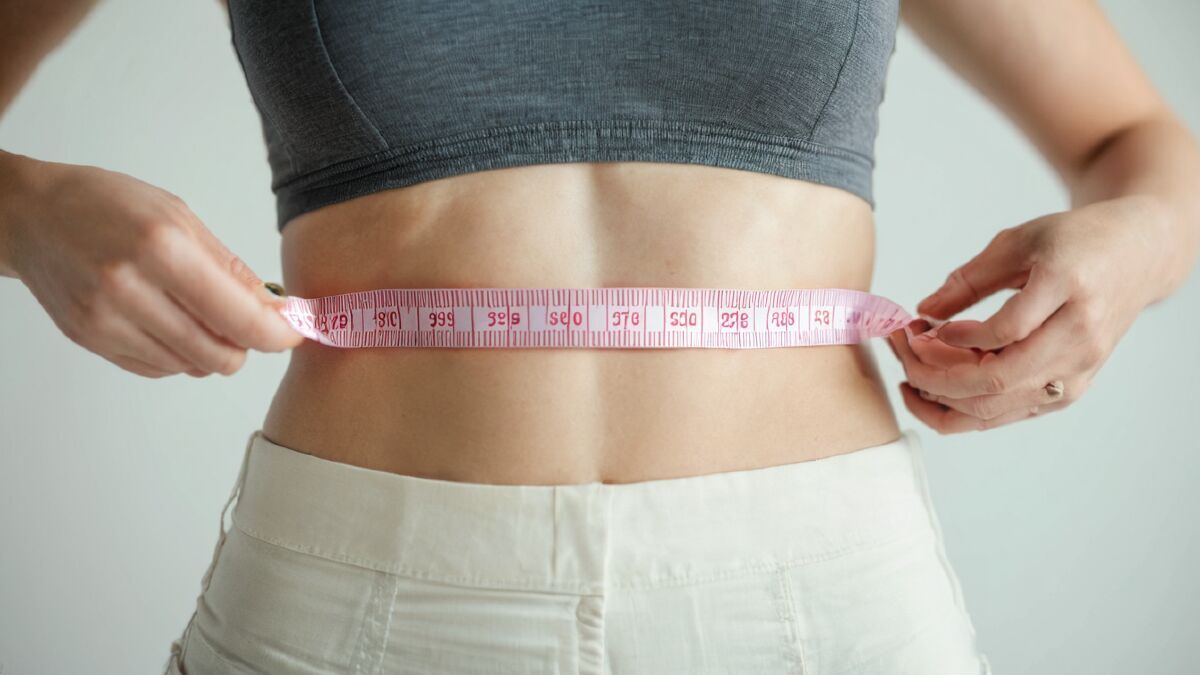
- Update your measurements every few months.
- Measure in seamless underwear, using a tape measure without pulling it too tight.
- State your actual shoe size, not the size you wish you wore.
- State your height without heels.
- If your measurements have changed, notify the team in advance. This is normal and solvable; a surprise at the fitting is not.
Virtual and Remote Fittings
Some brands have moved to preliminary video selection: the model sends a short clip in basic underwear showing their figure in motion, along with photos in neutral-cut clothing. While this doesn't replace a full fitting, it saves a trip.
Requirements for such materials:
- Even daylight, a solid-colored background, and full-length shots taken from waist level;
- Vertical format, steady camera (using a tripod or another person);
- Front, profile, back, and a slow turn—no editing or filters;
- Current measurements provided via voice or text at the beginning;
- Flat shoes and heels, if requested to check length.
Editing is strictly forbidden here: any discrepancy with reality will be discovered on the day of the shoot and will result in being removed from the project.
Payment for Fittings
Payment structures vary by market: it could be a separate fee, included in the shoot day rate, or paid hourly. When negotiating, clarify the following:
- Is the fitting paid separately?
- How many fittings are expected?
- What is the expected duration?
- Is travel reimbursed?
- What happens if you are not booked for the shoot after the fitting—is the trial still paid?
The last point is crucial: fittings are sometimes used as a final selection process, and a model may spend half a day without a guarantee of the actual shoot.
Runway Show Fittings
This is a specific format with its own nuances:
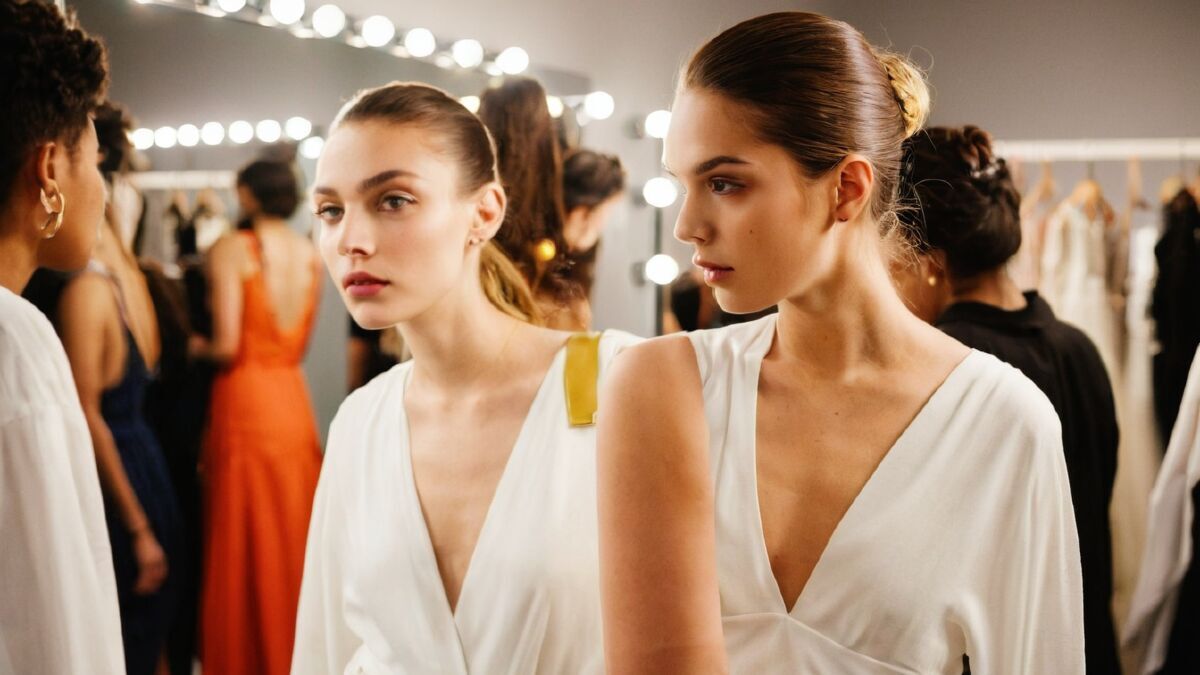
- Usually only one or two looks, but the fit is much more precise;
- Often involves rehearsing the walk and turn in that specific outfit;
- Checking the stability of the shoes and the model's gait in them;
- Coordinating hair and makeup to match the look;
- Fixing the order of appearances and the time allowed for backstage changes.
It is especially important to remember the details here: how the garment fastens, what goes on first, and where your set is located. Backstage changes can take less than a minute, and the dresser's help is faster if you understand the sequence yourself.
After the Fitting
- Confirm shoot day details: time, address, and what to bring.
- Remember or note your looks — sometimes you'll be asked to bring specific types of underwear for a particular outfit.
- Save the stylist's contact information. Stylists return with new projects more often than anyone else in the production chain.
- Do not change your appearance between the fitting and the shoot.
Why the Fitting Is More Important Than It Seems
At a fitting, you are seen up close, without studio lighting or retouching, in a real working environment. They aren't just evaluating your looks; they are assessing your punctuality, speed, neatness, reaction to discomfort, and behavior in a crowd. A model who is easy to work with gets called back—and that decision is more often made during the fitting than on set, because on set, everyone is too busy.
Projects requiring fittings—from catalogs to runway shows—are listed in the castings section: keep your measurements updated in your profile so you can be found for specific size requirements.
Share


Author: Svetlana Lisa, Stylist and fashion designer
Publication date: October 23 2026
Views: 1
About us and our editorial policy
Comments
Other materials in this section
Discover who needs hand and foot models, the physical requirements for the role, and how to build a portfolio for this accessible entry point into the industry.
Learn how daily heavy makeup affects your skin, the correct way to remove it after a shift, and how to restore your skin barrier when breakouts occur during a project.
Discover which segments hire plus size models, how requirements and measurements differ, and how to build a portfolio that gets you hired.
Discover which market segments actively hire mature models, how requirements differ from the youth market, and the best way to enter the profession later in life.
Discover why catalog shoots are the "bread and butter" of the modeling industry, how a high-volume shoot day works, and how to break into this segment.
A comprehensive guide on what to expect during a studio day, from packing your bag to working with the crew and avoiding common beginner mistakes.
 Auditions in India
 Casting calls in USA
 Castingi w Polsce
 Кастинги в Україні

