The benefits of stage combat and how to get started
Behind the Scenes: Education: The benefits of stage combat and how to get startedStage combat is not a martial art; it is a method of safely depicting a fight so that it reads convincingly on screen or stage. Real-life fighting skills are often of little help here and can sometimes even be a hindrance: real movements are short, economical, and virtually invisible to the camera.
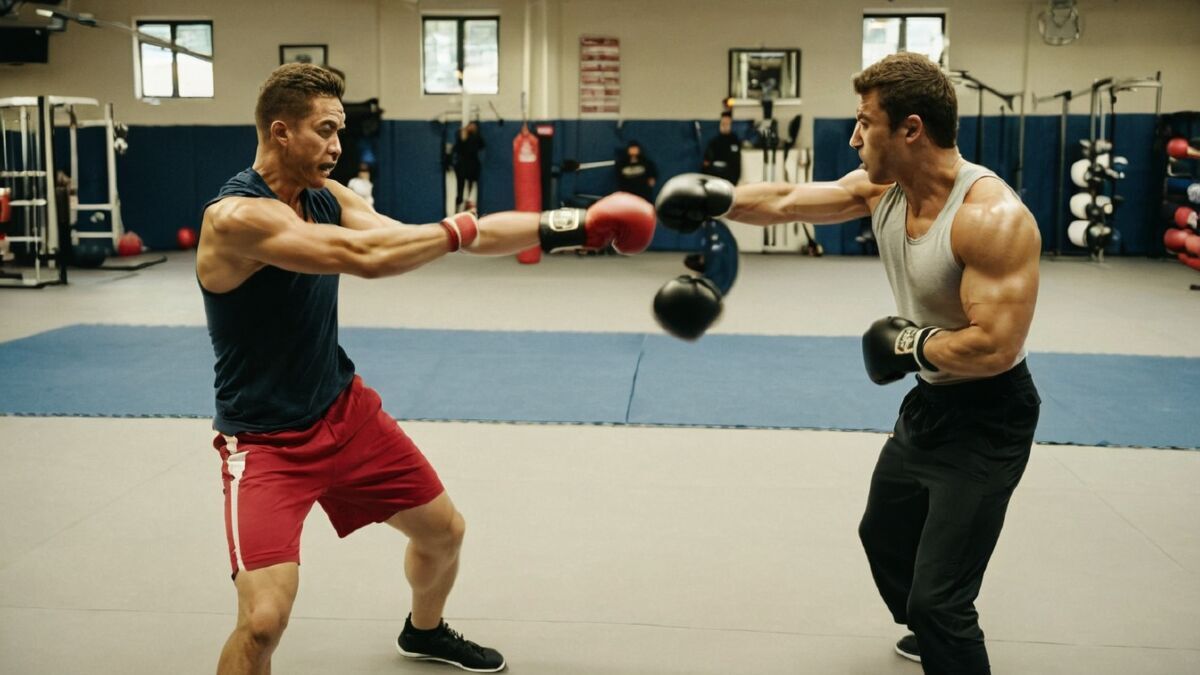
How It Differs from Martial Arts
- The Goal. In martial arts, the goal is to land a hit; in stage combat, the goal is to miss, while making it look like a hit.
- Amplitude. A real strike is short and direct; a stage strike is wide and readable.
- Partnership. This is not a duel, but a coordinated dance where both performers know the entire sequence.
- The Receiver Leads. The person receiving the blow performs the reaction, and it is this reaction that creates the illusion of the impact.
- Camera Angles. Everything is built around the lens: a strike that looks convincing from one angle may look like a complete miss from another.
What It Offers the Actor
- Role Opportunities. Fight scenes appear in almost every genre, and an actor who can perform them independently is more cost-effective for the production.
- Coordination and Reaction. Direct benefits for any physical performance on screen.
- Partner Sensitivity. The ability to work in close physical contact and "hear" a partner through body language.
- On-Screen Confidence. The fear of physical interaction disappears, and physical tension is reduced.
- Prop Work. Experience with weapons, objects, and falls.
What the Training Consists Of
- Safety Protocols. Distance, control, and the "stop-word." This is the first and most important lesson.
- Unarmed Combat. Strikes, blocks, grapples, and reactions.
- Falls. A major section covering backward, forward, stairs, and obstacle falls.
- Weapon Work. Knives, rapiers, staffs—depending on the school's curriculum.
- Choreographing Sequences. Learning patterns and adapting them to specific camera angles.
- The Actor's Objective. A fight is a scene, not just a set of movements; it must have a narrative event and a goal.
How Fight Scenes Are Filmed
- Advanced Rehearsals with a stunt coordinator, sometimes days or weeks before the shoot.
- Sequences are learned slowly and gradually sped up. On set, the sequence is often run through once more in slow motion.
- Filmed in segments. Three or four movements per take, followed by a change in camera angle.
- Many takes. Endurance is often more important than technical perfection.
- Stunt doubles handle high-risk elements: high falls, fire, or complex acrobatics.
- On-screen speed is not your actual speed. Much of the intensity is created through editing and camera work.
Safety: Non-Negotiable Rules
- No improvisation. Any deviation from the rehearsed choreography is a risk of injury to your partner.
- Maintain distance literally. The spacing is calculated specifically for the camera angle.
- The Stop-Word. Agree on a word and stop immediately when it is spoken, without discussion.
- Weapon Handling. Weapons are only taken from the designated armorers/coordinators and are never pointed at people off-camera.
- Fatigue is a risk factor. Most injuries happen during late takes. Speak up if you are exhausted.
- Do not agree to what you cannot do. The coordinator must know your limits before the scene begins.
- Do not hide injuries. A hidden strain can turn into a month of downtime.
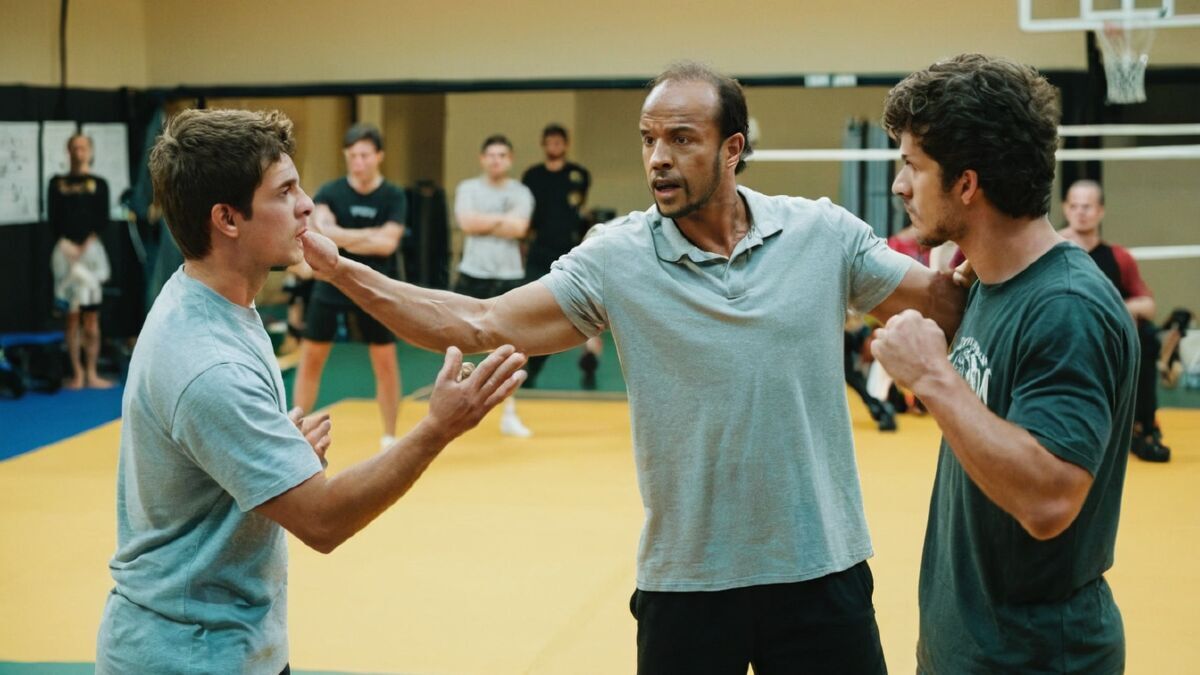
How to Get Started
- Find a stage combat class at a drama school, studio, or through a certified stunt coordinator.
- Ensure it is specifically stage combat and not a martial arts club.
- Attend a trial lesson and observe how much attention is paid to safety; this is the primary marker of quality.
- Practice regularly—these skills fade quickly.
- Maintain overall fitness: without endurance, the choreography will fall apart by the third repetition.
If there are no specialized groups nearby, the best alternatives are basic acrobatics, wrestling, or parkour. These provide the necessary falling skills and coordination, while the specifics of combat can be learned later.
How to List It on Your Resume/Profile
- Poor: Martial arts
- Good: Stage Combat (2 years); unarmed, knife, and rapier; falls from standing height; Sambo (3 years, amateur)
Separately mention that you are comfortable rehearsing with a stunt coordinator; this signals that you understand the professional process.
Note: Specific rates, contract forms, and tax rules for stunt work vary by market.
Summary
- Stage combat is about the safe appearance of a hit, not the hit itself.
- The impression of the blow is created by the receiver, not the attacker.
- Training begins with safety and falls, not flashy sequences.
- Endurance and repeatability are key on set.
- Improvisation is forbidden; a stop-word is mandatory.
- In your profile, specify the styles, duration of training, and readiness to rehearse with a coordinator.
Projects with fight scenes can be found in the castings section.
Share


Author: Tom Ashwell, training and craft editor
Publication date: September 20 2026
Views: 2
Comments
Other materials in this section
Discover the real language level required for filming, the difference between speaking and acting in a foreign language, and how to honestly represent your skills.
Discover which dance skills are most requested at auditions, which styles provide the most professional growth, and how to accurately list your level in your profile.
Learn the key differences between stage and screen acting and discover practical exercises to help you get comfortable in front of the lens.
Discover how improvisation enhances your performance during auditions and on set, the core principles of the craft, and practical exercises to overcome the fear of the blank slate.
 Auditions in India
 Casting calls in USA
 Castingi w Polsce
 Кастинги в Україні
