How to Choose the Right Acting Coach for Your Career
Behind the Scenes: Education: How to Choose the Right Acting Coach for Your CareerChoosing a coach determines several years of your professional growth—and money is far from the most important factor. An expensive course from a famous name can prove useless, while affordable lessons with an attentive teacher can yield great results. Below are the criteria for making an informed choice based on logic rather than advertising.
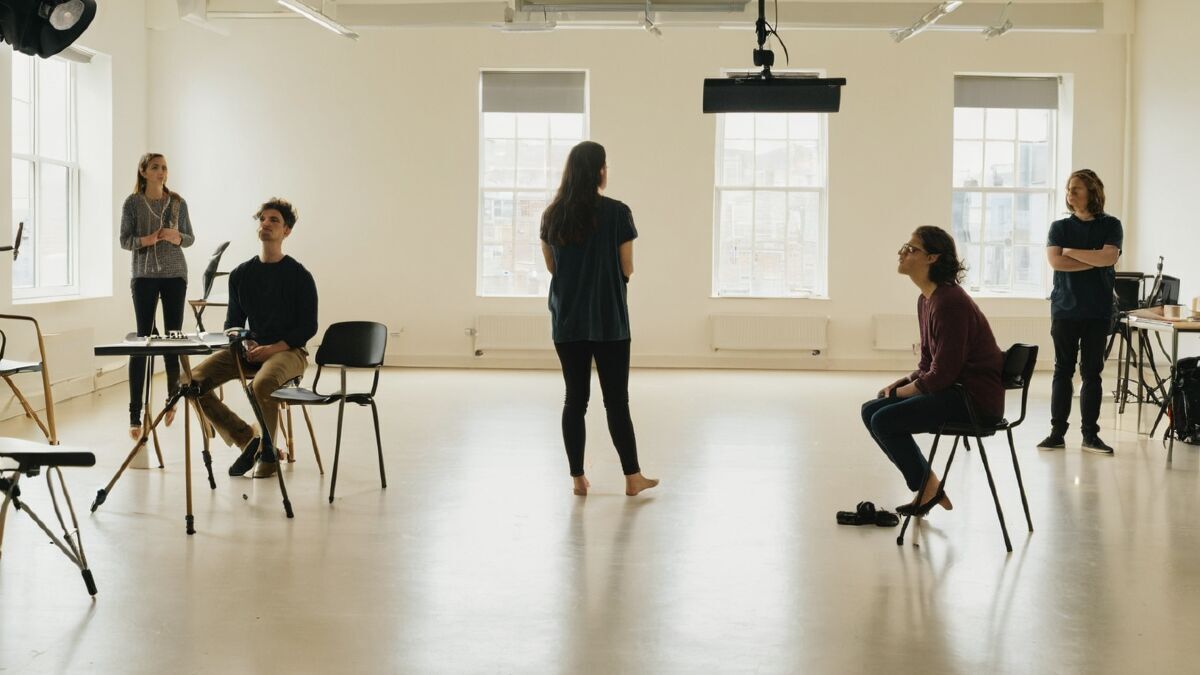
Start with Your Goals
Answering this question narrows your search by half. Your objectives can vary significantly:
- preparing for auditions to enter a drama school or university;
- learning how to work specifically for the camera;
- improving speech or reducing an accent;
- overcoming tension and anxiety during auditions;
- mastering a specific skill—movement, vocals, or stage combat;
- maintaining form between projects;
- breaking down a specific role.
A coach who is excellent at preparing students for conservatory entrance exams may be useless for on-camera work, and vice versa. Truly universal specialists are rare, and claims of "teaching everything" should be viewed as a red flag.
What to Look For
Teaching Experience, Not Just Performance Experience
Being a great actor and being a great teacher are two different professions. The ability to perform does not automatically mean the ability to explain techniques or analyze someone else's work. Ask how many years they have been teaching and in what capacity.
Student Track Record
This is the most honest indicator. Look beyond "star names" on a list—they may have only taken one session. Instead, look at what happens to the average students: are they getting into schools, starting to book work, or showing visible growth? Ask directly: "Which of your students have entered a program or booked a role in the last year?"
The Method
An instructor should be able to explain which system they work with and why. An answer like "I have my own unique author's method" without further substance is a bad sign. An answer that contains logic and a clear sequence is a good sign, even if the system is unfamiliar to you.
Feedback Quality
This is a key parameter. During a trial lesson, notice whether the coach analyzes specifically what you did and what could be done differently, or if they stick to generalities. "I don't believe you" without an explanation is not feedback.
Attitude Toward Students
There is a tradition of teaching through pressure and humiliation. It produces a quick external effect but leaves long-term damage. A teacher who raises their voice, mocks you in front of a group, or discusses your appearance and personal life is not "strict"—they are harmful. True strictness is expressed as high demands for the work, not as an attack on the person.
Questions to Ask Before Paying
- How many people are in the group?
- How often are the classes and how long do they last?
- What is the curriculum for the coming months?
- How much of the class will I spend actively working versus watching others?
- Are there showcases, filming sessions, or on-camera work?
- What is expected of me between classes?
- Can I attend a trial lesson or observe a class from the side?
- What are the payment terms: subscriptions, per-session, and what happens if I miss a class?
- What do you consider a successful result of training after six months?
A refusal to let you attend a trial lesson is a significant signal. While observing from the side can sometimes disrupt a group's flow, an alternative is usually found.
Group vs. Individual Training
Group Classes
Pros: partners for etudes and scenes, the ability to learn from other people's critiques (which is sometimes more useful than your own), a supportive atmosphere, and lower cost.

Cons: less individual attention, an averaged pace, and the risk of spending a whole session in a large group without ever getting on stage.
An effective group size is up to twelve people. Any more, and each student may only work for a few minutes during a two-hour session.
Individual Coaching
Pros: all the time is yours, the program is tailored to your specific goals, and you make faster progress on specific technical issues.
Cons: no partners, no experience working within a collective, higher cost, and a higher risk of getting stuck in a "comfortable" relationship with the coach.
The optimal setup for most is a group as the foundation, supplemented by individual sessions for specific tasks: audition prep, speech work, or role analysis.
Training Formats
- Long-term Courses or Studios. Regular classes several times a week for a year or more. This provides a systematic foundation.
- Short Intensives. Several consecutive days. Great for a specific skill or getting acquainted with a method, but not a replacement for systematic work.
- Masterclasses. A one-time meeting. Useful as a source of ideas and networking, rather than as comprehensive training.
- Online. Works well for speech, text analysis, and self-tape preparation. It is generally ineffective for movement, partnering, and physical interaction.
- One-off Consultations. Tailored to a specific role or audition.
Red Flags
- Guaranteed Results. "We guarantee you'll get into school" or "You'll be starring in films after this course"—these are promises that cannot be kept.
- Demands for Large Upfront Payments for a full year without the possibility of cancellation.
- Promises of Connections and Roles. Especially if they ask for separate money for this.
- Mandatory Paid Portfolios with one specific photographer.
- Public Humiliation disguised as a "method."
- Working with Personal Trauma without psychological qualifications. An acting exercise on emotional memory is not psychotherapy, and a coach has no right to lead a group into therapeutic territory.
- Boundary Violations: touching without permission, requirements to undress, comments about the body, or meetings outside of class hours.
- Isolation: "Don't go to other teachers; they'll ruin everything."
How to Tell if the Training is Working
After three to four months of regular classes, noticeable changes should appear:
- you understand what you are doing in a scene and can describe it in words;
- your self-tapes have improved—this is verified by the recording, not by a "feeling";
- you are able to prepare material faster;
- you feel less tension in front of the camera and other people;
- you can apply a correction immediately rather than two weeks later;
- you have acquired the vocabulary to discuss your work—you understand what the director means.
If none of this is happening after six months, the issue is not your talent, but that the method or the coach is not a fit for you.
How to Verify Objectively
Record your work on camera at the start of your training and again after three months using the same material. The difference is either visible or it isn't. This is the most honest test because it doesn't depend on your mood or the coach's praise.
When to Change Your Coach
- Classes have become too comfortable and predictable; you've stopped making mistakes and trying new things.
- The same corrections are repeated, but you don't understand how to execute them—and the explanations aren't helping.
- You feel dread or fear about going to class.
- The coach doesn't let you work: the session is spent on their stories and demonstrations.
- You have outgrown the level of the group and no longer have anything to gain from it.
- Your goal has changed: you were training for school, but now you need on-camera skills.
Changing coaches is a normal stage of growth, not a betrayal. It is often beneficial to experience two or three different schools: comparing approaches provides more value than ten years with one person.
Costs and Where Not to Skimp
Price does not correlate directly with quality, but there are areas where saving money costs more in the long run. Note that rates, contract forms, and tax rules differ by market.
- On-Camera Work. A course without filming and reviewing footage does not prepare you for film and TV.
- Speech. Individual sessions with a speech coach or therapist for diction issues is an investment that pays off immediately.
- Regularity. One class a month yields no results regardless of the price. A more affordable coach twice a week is better than an expensive one once every three weeks.
Projects where you can test your acquired skills in practice are published in the castings section: real auditions are the best way to understand what you have actually learned.
Share


Author: Alexander Shaida, Editor-in-chief
Publication date: October 09 2026
Views: 28
About us and our editorial policy
Comments
Other materials in this section
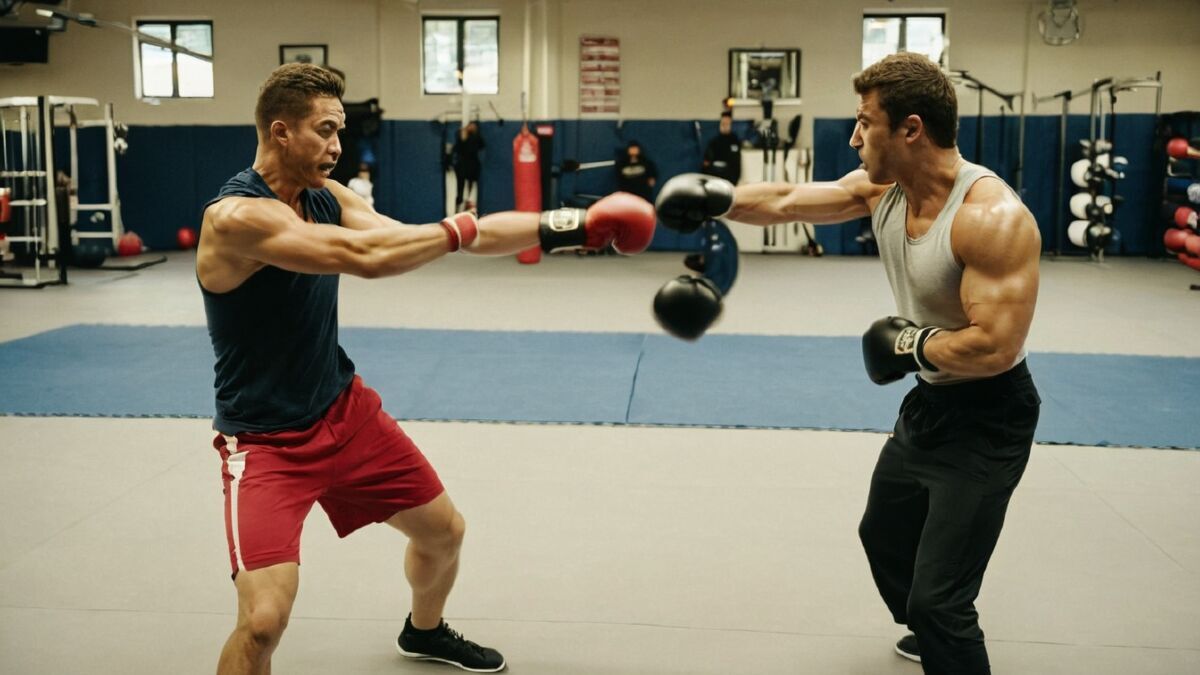
Discover the difference between stage combat and martial arts, the skills it provides actors, and the essential safety rules for filming fight scenes.

Discover the real language level required for filming, the difference between speaking and acting in a foreign language, and how to honestly represent your skills.
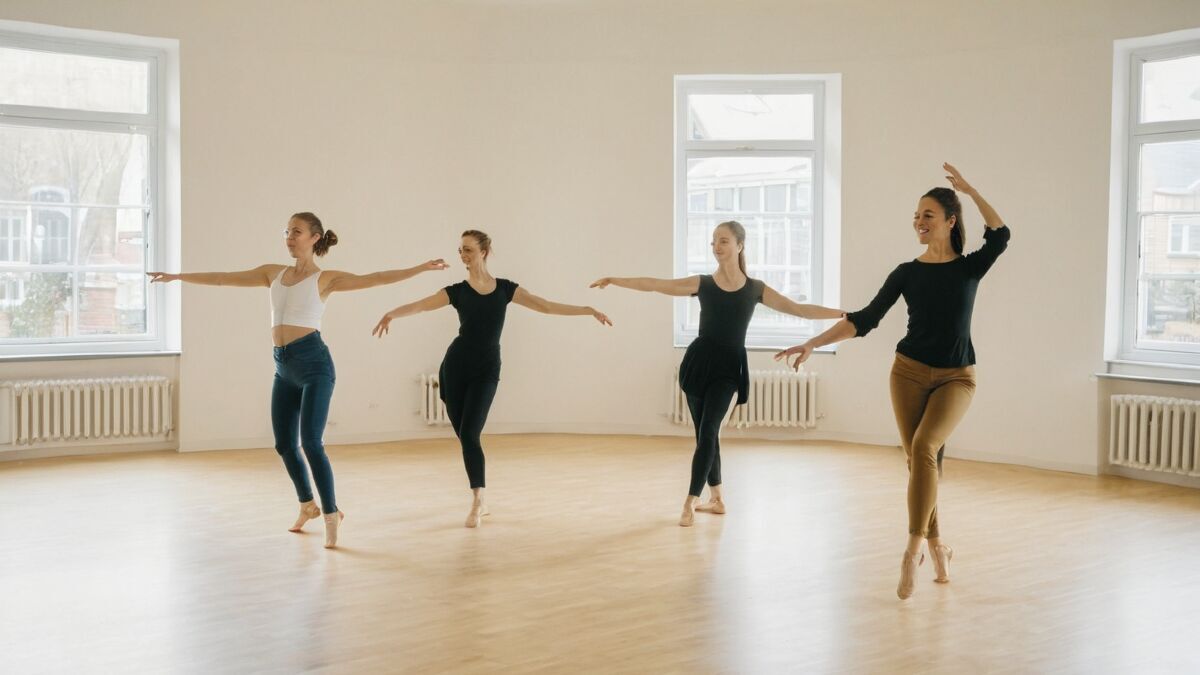
Discover which dance skills are most requested at auditions, which styles provide the most professional growth, and how to accurately list your level in your profile.

Learn the key differences between stage and screen acting and discover practical exercises to help you get comfortable in front of the lens.

Discover how improvisation enhances your performance during auditions and on set, the core principles of the craft, and practical exercises to overcome the fear of the blank slate.
 Auditions in India
 Casting calls in USA
 Castingi w Polsce
 Кастинги в Україні

