Essential dance styles every actor should master
Behind the Scenes: Education: Essential dance styles every actor should masterIncluding dance in an actor's profile is not just a decorative addition; it is a functional keyword that casting directors use to filter candidates. However, different styles serve different purposes: some lead directly to roles, others transform how you present yourself on camera, and some may rarely be useful in a professional acting context.
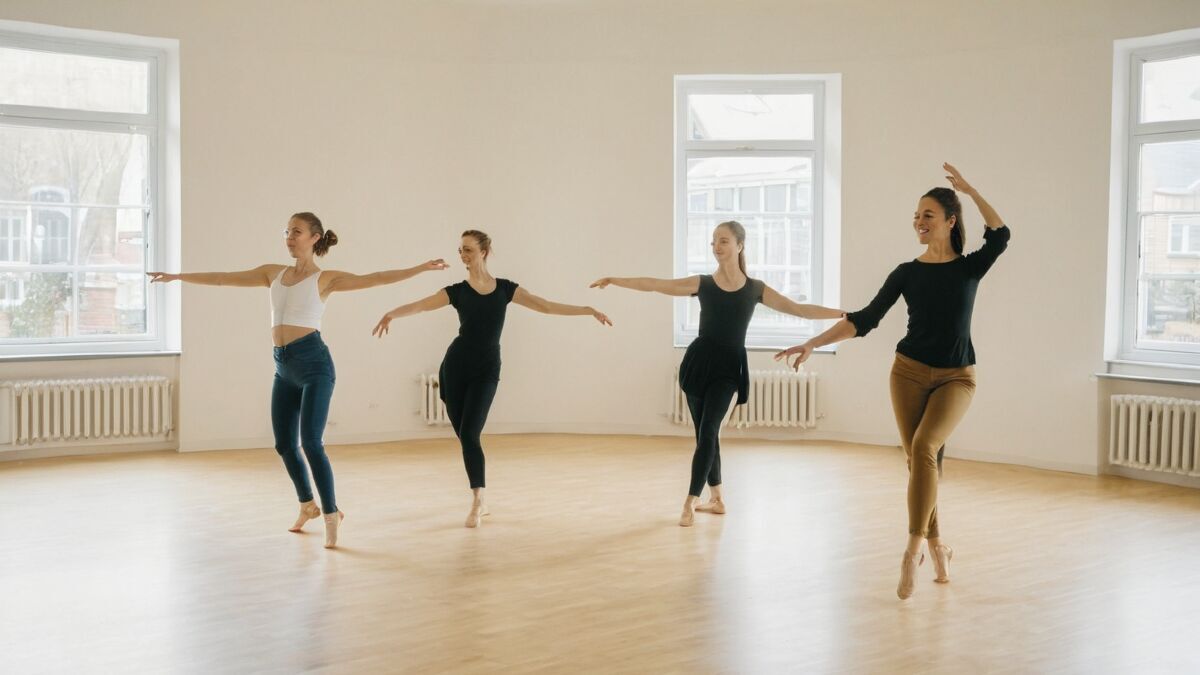
Why Actors Need Dance
There are two distinct benefits to dance training, and it is important not to confuse them.
Direct Benefit. There are roles where dancing is a core requirement: musicals, period pieces with ballroom scenes, music videos, commercials, or club scenes. In these cases, the skill is explicitly requested and tested during the audition.
Indirect Benefit (The more critical one). Dance provides the very things the camera reveals mercilessly: posture, coordination, a sense of rhythm, bodily freedom, and the ability to command space. An actor who has spent a year in any form of dance training moves differently, and this is evident on screen even when they are simply walking into a room.
Styles That Lead to Roles
- Period and Social Dance. Waltz, Polonaise, Minuet, Quadrille. These are highly sought after for costume dramas, and specialists are few. This is one of the most "profitable" lines in a profile.
- Folk Dance. Essential for historical and ethnic projects.
- Ballroom Dance. Tango, Foxtrot, Latin — these frequently appear in scenes featuring receptions, galas, or competitions.
- Modern Social Dance. Hip-hop, House — common for club scenes, music videos, and youth-oriented commercials.
- Classical Ballet. A narrow but existing niche; there are very few actors with professional ballet training.
Styles That Transform the Body
- Contemporary and Modern. The best investment for an actor: working with weight, inertia, floor work, and partners. It provides fluidity and freedom rather than just a set of memorized steps.
- Jazz Funk. Builds core strength and confidence in movement.
- Plastic Training and Stage Movement. Not dance in the pure sense, but direct professional development for the craft of acting.
- Floor Barre/Gymnastics. Removes physical tension and improves posture.
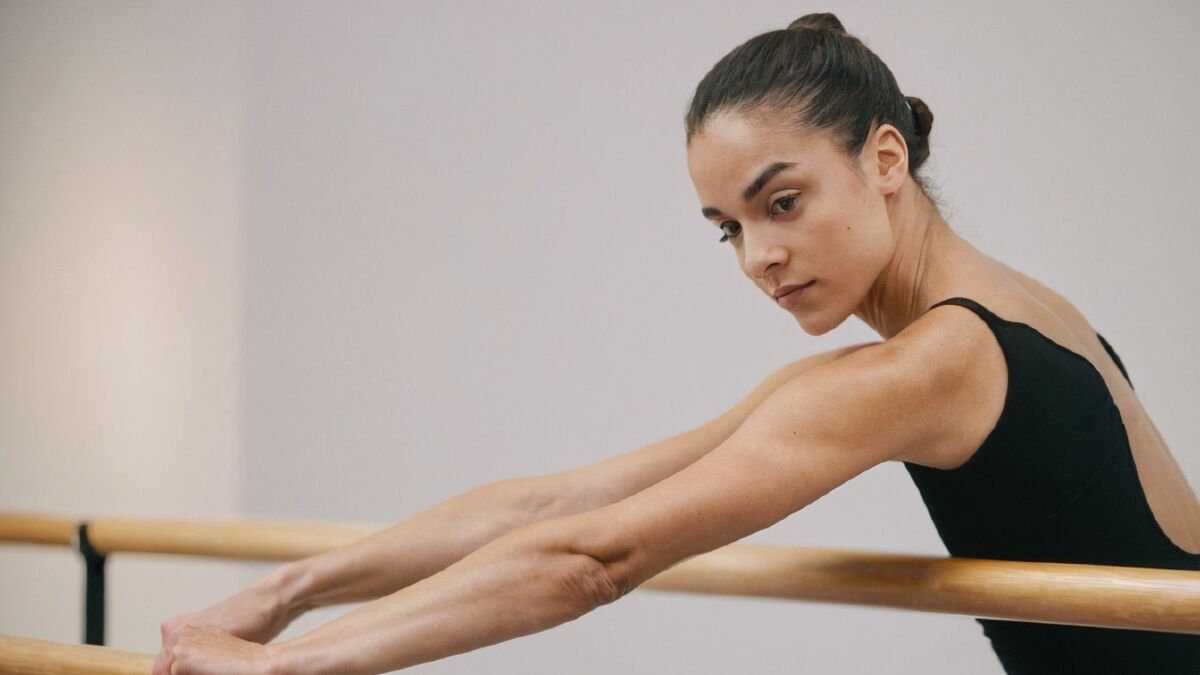
If you must choose only one direction and are not aiming for musicals, opt for Contemporary or Stage Movement.
What Provides Less Value
These are not "bad" choices, but they are rarely useful specifically for an actor: highly specialized exotic styles, competitive ballroom dance at a professional sporting level (without an interest in film), or high-intensity fitness programs disguised as dance. While they are good for the body, they rarely translate into a competitive advantage in a casting profile.
How Long Should You Train?
- Three to six months of regular practice — coordination and confidence emerge, and the body stops being an obstacle.
- One year — you can honestly list a "basic level" in your profile and handle simple choreography without fear.
- Two to three years — the level at which you can be cast in roles where dancing is a primary on-camera requirement.
Consistency is more important than intensity: two classes a week year-round provide more benefit than three months of daily training followed by a long break.
What Happens on Set
If a project involves dancing, the process usually follows this pattern:
- At the casting, you are asked to show a movement or follow a simple combination.
- Once cast, rehearsals with a choreographer are scheduled — sometimes weeks before filming.
- The choreography is tailored to a specific shot: the goal is not necessarily to dance "beautifully," but to fit the storyboard.
- On set, scenes are filmed in segments, often without music or to a count.
- There are many takes, meaning physical endurance often becomes more important than technical perfection.
The practical takeaway: on set, the most helpful skill is not a complex repertoire, but the ability to learn a sequence quickly and repeat it twenty times identically.
How to List Dance in Your Profile
A skill listed without a level is ineffective. Be specific:
- Poor: Dancing
- Good: Contemporary — 3 years, regular; Waltz and Tango — basic level, comfortable on camera; Hip-hop — beginner
Mention separately if you are a "quick study" (able to learn choreography rapidly); this is highly valued by production teams.
The honesty criterion is the same as for any other skill: can you perform this in front of a camera by the first or second take? "Danced in primary school" is not a professional level.
How to Start as an Adult Beginner
- Join a beginner's group for adults, rather than a children's class or an advanced level.
- Expect to feel awkward for the first few months. This usually passes for everyone around the tenth lesson.
- Focus on the teacher, not the mirror. For beginners, the mirror can actually be a distraction.
- Don't rush into complex sequences. Focus on coordination and rhythm first, then on the artistic pattern.
- Record yourself. Just like with acting: you cannot see half of your problems from the inside.
- Warm up and do not force your stretching. An injury can set you back by months.
Summary
- Dance provides direct access to roles and changes your physical presence on camera.
- Period and ballroom dancing are the most rewarding additions to a profile due to the scarcity of specialists.
- For general bodily development, Contemporary and Stage Movement are the best choices.
- Consistency beats intensity: aim for twice a week, year-round.
- On set, the ability to learn quickly and repeat consistently is more important than complexity.
- In your profile, specify the style, duration of training, and an honest skill level.
Please note that hourly rates, contract forms, and tax obligations vary by market and jurisdiction.
Find projects requiring dance skills in the castings section.
Share


Author: Tom Ashwell, training and craft editor
Publication date: September 06 2026
Views: 17
Comments
Other materials in this section
Discover the real language level required for filming, the difference between speaking and acting in a foreign language, and how to honestly represent your skills.
Learn the key differences between stage and screen acting and discover practical exercises to help you get comfortable in front of the lens.
Discover how improvisation enhances your performance during auditions and on set, the core principles of the craft, and practical exercises to overcome the fear of the blank slate.
 Auditions in India
 Casting calls in USA
 Castingi w Polsce
 Кастинги в Україні
