Managing Sleep with Irregular Filming Schedules
Behind the Scenes: Fitness: Managing Sleep with Irregular Filming SchedulesA filming schedule disrupts sleep not necessarily through the number of hours lost, but through irregularity: a 4 AM call today, a wrap at 3 AM tomorrow, and a day off the day after. The body cannot adapt quickly enough and exists in a state of constant mild dysfunction, which negatively impacts both your physical appearance and your professional performance.
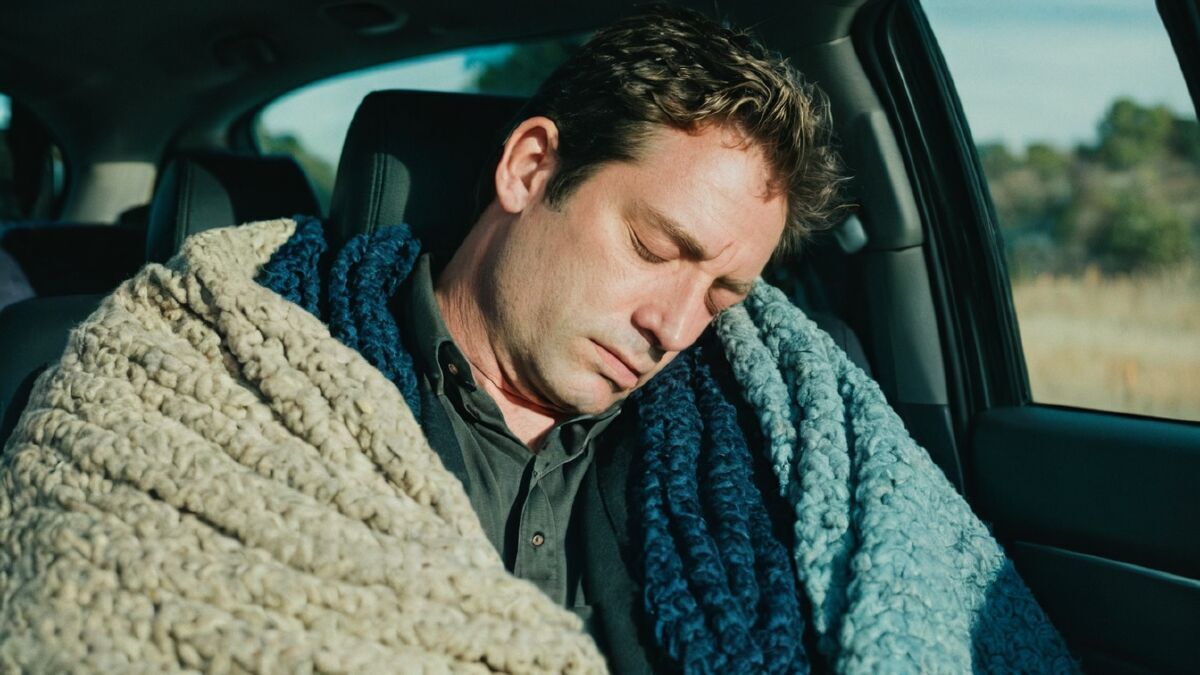
What Happens to the Body
- Rhythm Shift. Internal clocks adjust slowly—roughly one hour per day. Production schedules change much faster.
- Sleep Debt Accumulation. Losing two hours of sleep for five consecutive days is equivalent to one completely sleepless night.
- Physical Appearance. Puffiness, dull skin, and red eyes are the first things visible in a close-up.
- Reaction and Memory. Lines are harder to memorize, and implementing director's notes becomes more difficult.
- Voice. Lack of sleep dries out the mucous membranes and strains the voice.
Basic Rules
- The Sleep Anchor. Even with a floating schedule, try to maintain one consistent window where you always sleep—for example, from 2 AM to 6 AM. Any additional sleep is then added around this core block.
- Darkness. Blackout curtains or a sleep mask are essential if you are sleeping during the day. Light interferes with melatonin production more than noise does.
- Cool Temperatures. It is easier to fall asleep in a cool room.
- Screens Before Bed. Avoid screens for one hour before sleep, especially after a night shift when you need to fall asleep at dawn.
- Caffeine. Have your last cup at least six hours before your intended sleep. On night shifts, this means consuming caffeine only during the first half of the night.
- Alcohol is Not a Solution. It may help you fall asleep faster, but it destroys the quality of the second half of your sleep cycle.
Early Call Times
A 5 AM call usually means waking up at 3 or 4 AM. Here is what works:
- Shift Bedtime Gradually. Two to three days before the early calls begin, start going to bed an hour earlier—a sudden transition rarely works.
- Pack the Night Before. Morning preparations take away precious minutes that could be spent sleeping.
- Immediate Light Exposure. Bright light in the first few minutes after waking helps you alert yourself faster than coffee.
- Pack Breakfast. Bring food with you if eating at 4 AM is impossible.
- Sleep During Transit. If you have a production shuttle or are not the one driving, use the commute to get extra rest.
Night Shifts
This is the most challenging regime and requires a specific approach.
- Daytime Sleep Before the Shift. Not just "resting on the couch," but actual sleep for two to three hours in a darkened room.
- Eat a Hearty Meal Before Leaving. Stick to light snacks during the night.
- Caffeine in the First Half of the Night. Any later, and it will prevent you from sleeping when you get home.
- Use On-Set Lighting. Stay close to well-lit areas during breaks to signal wakefulness to your brain.
- The Power Nap. A twenty-minute nap during a break is standard practice and widely used by professionals.
- Sunglasses on the Way Home. Morning sunlight triggers the waking process; you need to block it to ensure you can sleep.
- Sleep Immediately Upon Arrival. Go straight to bed without tackling "chores first."
The Transition Day
After a cycle of night shifts, you must return to a normal routine gradually:
- After the final night shift, sleep for four to five hours rather than sleeping until evening.
- Get some sunlight and stay active during the day.
- Go to bed slightly earlier than usual in the evening.
- Wake up to an alarm the next morning, even if it feels difficult.
- The rhythm usually restores itself within two to three days.
A common mistake is sleeping through the entire day after a night shift; this leads to insomnia the following night, extending the disrupted cycle for a week.
Short-Term Sleep (Power Naps)
The most practical tool on a film set.

- Twenty Minutes. Provides restoration without the feeling of grogginess.
- One and a Half Hours. A full sleep cycle, if time permits.
- Forty to Sixty Minutes—The Worst Option: Waking up from a deep sleep phase causes lethargy that can last for an hour.
- Sleeping in the makeup trailer, in a car, or in a chair is normal practice. Set an alarm and notify your assistant.
What Doesn't Work
- "Banking" Sleep. Sleeping twelve hours before a series of early calls is useless.
- Relying Solely on Coffee. Caffeine masks fatigue but does not provide actual recovery.
- Energy Drinks. They provide a sharp spike followed by an equal crash, often happening right as you are called for your scene.
- Over-the-Counter Sleep Aids. Avoid using sedatives without a doctor's prescription, especially with an irregular schedule.
- Lying in Bed Awake. If you haven't fallen asleep after twenty minutes, it is better to get up and do something calming.
Recovery Between Projects
- Return to a consistent wake-up time, even if you have nowhere to be.
- Expose yourself to daylight during the first half of the day.
- Engage in physical activity, but not late in the evening.
- Allow yourself a few consecutive days without an alarm clock, if your schedule permits.
Quick Summary
- Irregularity is the enemy, not just the number of hours.
- Maintain a consistent "anchor" sleep window.
- Darkness is more important than silence; cool temperatures help.
- Before a night shift, get real sleep during the day; use caffeine only in the first half of the shift.
- Power naps should be twenty minutes or ninety minutes—avoid the forty-minute mark.
- Banking sleep and using energy drinks to fight exhaustion does not work.
Note that rates, contract forms, and tax rules differ by market. Find projects with various schedules in the castings section.
Share


Author: Svetlana Lisa, Stylist and fashion designer
Publication date: October 02 2026
Views: 6
About us and our editorial policy
Comments
Other materials in this section

Learn what wears down your voice on set, how to warm up and recover, and how to handle screaming scenes or the first signs of vocal strain.

Learn what to eat before and during a shoot to avoid bloating and fatigue, how to handle on-set catering, and how to maintain your energy during night shifts.
Learn why posture is a vital professional tool for actors and models, how long wait times affect your body, and practical exercises to maintain your form on and off set.

A complete set of exercises for the body, breath, and voice that can be done in a dressing room or a corner of the studio, including explanations of why each step is essential.
 Auditions in India
 Casting calls in USA
 Castingi w Polsce
 Кастинги в Україні
