One Hundred and One Dalmatians
The Canine Caper of the Century



Country
Production
Budget
$4 000 000
Box office
$85 000 000
Director
Actors
Scenario
Producer
Camera operator
Composer
Artist
Audition
Editing
Short description
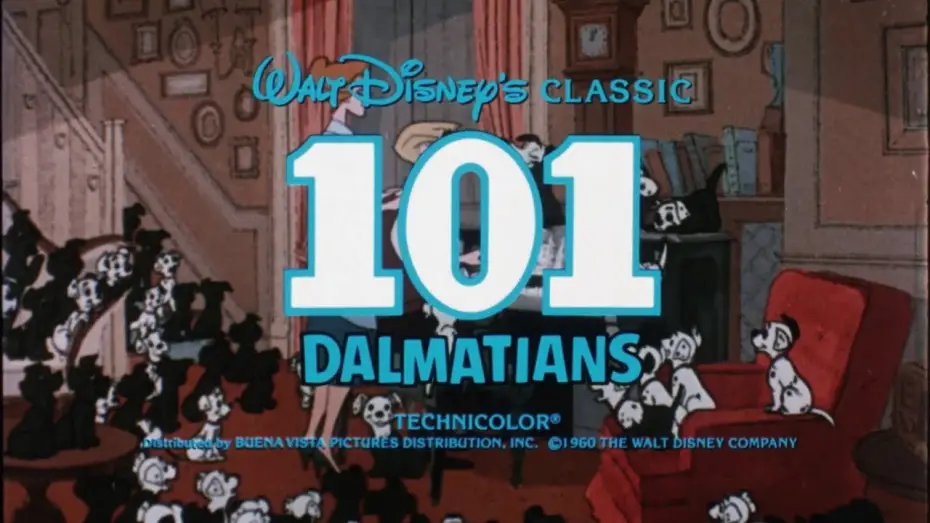
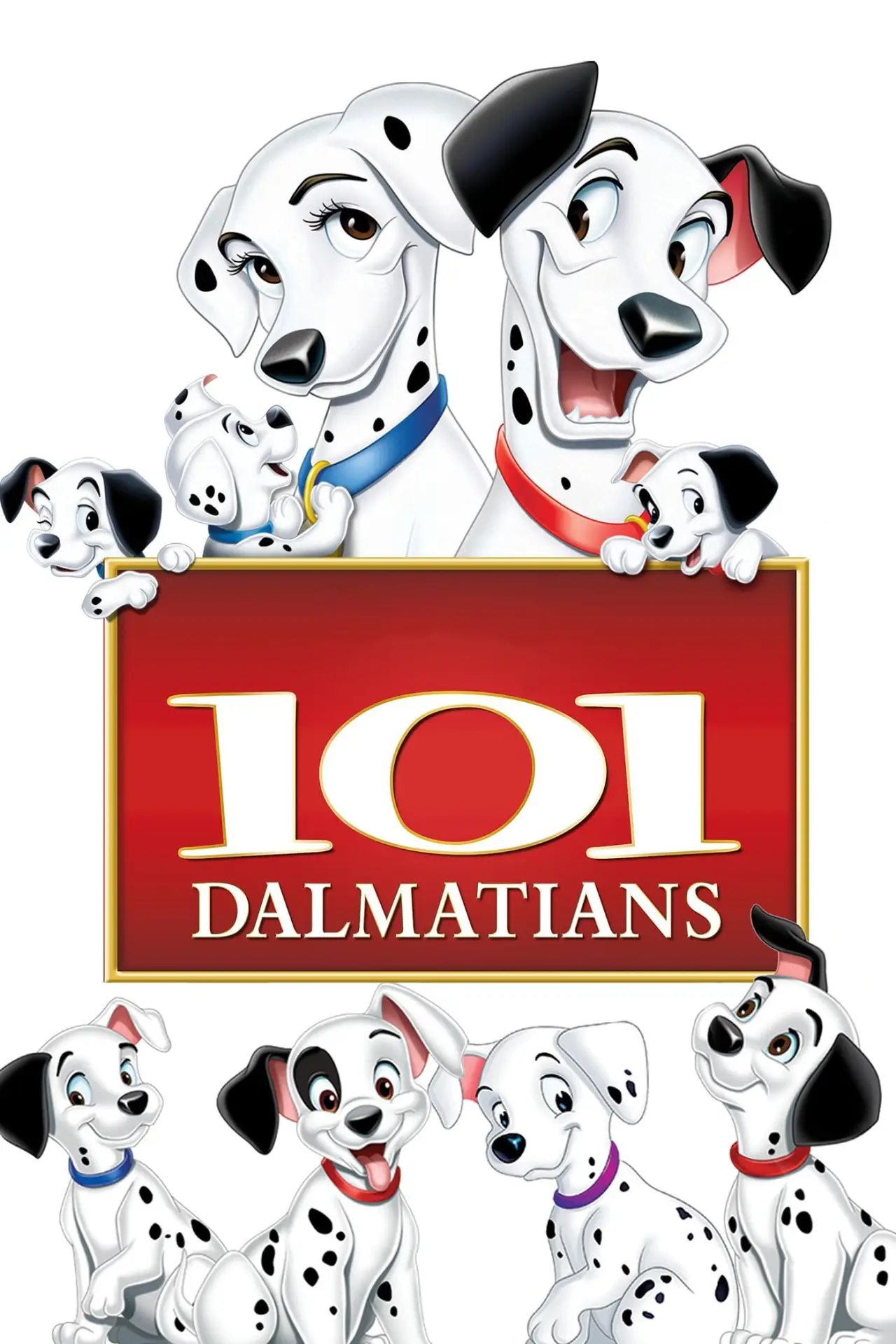
When a litter of dalmatian puppies are abducted by the minions of Cruella De Vil, the parents must find them before she uses them for a diabolical fashion statement.
What's left behind the scenes
- The animators, while working on the cartoon, were the first to use xerography to reproduce drawings.
- For the first time, the storyboarding of the plot was not under the direct control of Walt Disney himself. At that time, Walt Disney was busy opening his first Disneyland.
- Cruella de Vil was the last work of animator Marc Davis at Walt Disney Studios – after the film's release, he submitted his resignation.
- The film is based on the eponymous novella by writer Dodie Smith.
- The cartoon features one scene that was filmed in reality. In the scene where Cruella's car goes off the bridge and into the ditch, the car spins its wheels and drives out of the ravine. A paper model of Cruella’s car was specially made for this scene.
- Marc Davis personally animated Cruella throughout the film. In the scene where Cruella writes a check to Anita, the unerasable pencil outlines of the image construction are visible.
- For the first time in Disney animated films, flirting between two human characters appears – specifically, Anita and Roger flirt with each other after Cruella's first visit.
- Dodie Smith, the screenwriter and author of the book that served as the literary source for the screenplay, lived with nine Dalmatians, one of whom was named Pongo. The idea for the plot came to her when a friend, seeing all her dogs together, remarked that they would make a "lovely fur coat."
- Walt Disney threatened to close the studio, abandon animation, and focus on live-action films, television programs, and, most importantly, the development of "Disneyland" if the animated film was a box office failure. The film proved to be commercially successful.
- Due to the failure of the 1958 animated film "Sleeping Beauty," production costs for "101 Dalmatians" had to be reduced. As a result, "101 Dalmatians" became the first Disney project to utilize photocopying (xerography, a technique for transferring text and images onto paper). This made the animated film visually complex and established the standard for Disney imagery (sharply defined outlines) until technology advanced and images became softer (as in the 1977 film "The Rescuers").
- Almost 100,000 liters of special paint, weighing nearly 5 tons, were used for the project. This would be enough to cover 15 football fields or paint the exterior of 135 medium-sized houses. Nearly 1,000 different shades of color were created.
Similar movies

8/10
8/10
7.6/10
7.4/10
7/10
6.9/10
6.9/10
6.7/10


 Auditions in India
 Casting calls in USA
 Castingi w Polsce
 Кастинги в Україні
