Finding Film and TV Opportunities Outside Major Production Hubs
Behind the Scenes: Show Business: Finding Film and TV Opportunities Outside Major Production HubsThe idea that movies and series are filmed only in major capitals is outdated. A significant portion of production now takes place in regional areas: it is often more cost-effective, offers authentic textures unavailable in megacities, and local governments frequently provide financial incentives. For an actor living outside a production hub, this means working close to home; for those in the capitals, it provides a map of where projects are migrating.
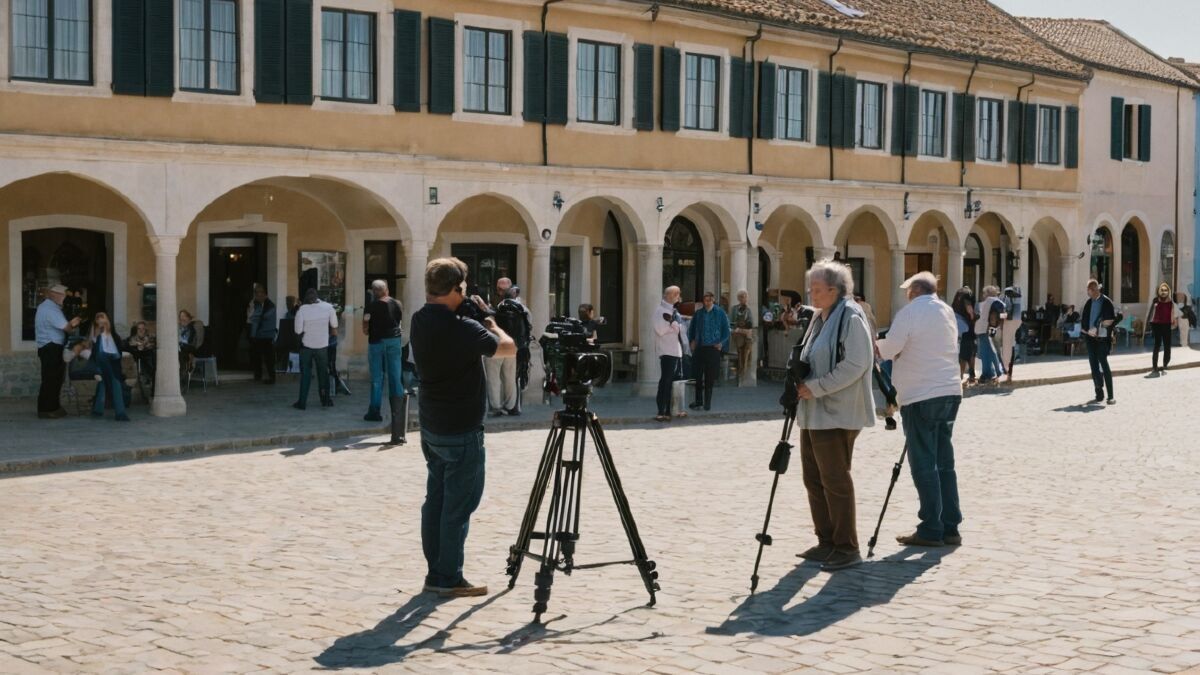
Why Production Moves Away from Hubs
- Costs. Locations, rentals, crew accommodation, and local staffing are generally more affordable.
- Authenticity. Historical architecture, industrial sites, nature, seas, mountains, or plains—elements that would have to be built or simulated in a capital city.
- Cost Recovery. Many regions and countries offer rebates—compensation for a portion of the expenses spent within their territory. This is a direct financial incentive to film there.
- Easier Logistics. Closing a street in a small town is often simpler than navigating the bureaucracy of a metropolis.
- Local Production. Regional studios and streaming projects specifically targeted at local audiences.
- Savings on Extras and Bit Parts. Transporting a full cast from the capital is expensive, so productions hire locally.
The last point is the most critical for actors. When a production crew arrives in a city, it almost always triggers a recruitment drive for local talent.
Film Commissions: How They Work
A film commission is an organization that helps production crews operate in a region: they scout locations, assist with permits, connect crews with local contractors, and administer cost-recovery programs.
For actors, the value is different: film commissions often maintain databases of local specialists and performers that visiting productions consult. Getting into such a database is a direct way to learn about projects in your region.
What to do:
- Find out if there is a film commission or a similar body in your region.
- Check if they maintain a registry of actors and crew.
- Submit your details: application, photos, skills, and contact information.
- Subscribe to their announcements: information about incoming projects is often published there before it spreads via word-of-mouth.
Other Sources of Regional Project Information
- Local Production Companies. Visiting projects often hire a local company to handle logistics; that company usually handles the casting for bit parts and extras.
- Local Casting Directors. In cities with regular production, these professionals exist; getting to know them can be more valuable than networking in the capital.
- Theaters. Actors for small roles are frequently sourced through local theater troupes.
- Film Schools and Studios. Even small ones: their graduates often form the line staff for visiting productions.
- Advertising Agencies. They shoot constantly and know all the local contractors.
- Social Media Groups. Most cities have communities where local casting calls are posted.
Benefits of Regional Filming for Local Actors
- Work Without Relocating. The primary advantage.
- Lower Competition. A bit part in your city may attract dozens of applicants rather than thousands.
- Experience with Large-Scale Production. A visiting project brings professional crews and industry standards to your doorstep.
- Showreel Material from a project that will actually be seen.
- Networking with Hub Productions. After a strong performance on location, you may be invited to the next project, even if it requires relocating.
- Potential for Role Expansion. If a project films in your city for several months, a small bit part can sometimes grow into something larger.
How to Prepare in Advance
Visiting crews hire quickly: they announce the call, select candidates within a week, and shoot. Those who aren't ready miss the window.
- Keep an Up-to-Date Profile on casting platforms, clearly stating your city. Productions filter by geography first.
- Have Fresh, Simple Photos. A headshot, full-body shot, and profile—unprocessed and natural.
- Be Able to Record a Self-Tape within 24 Hours. This is the primary selection format for regional projects.
- List Local Skills. Dialects, regional languages, ability to handle specific machinery, animals, or traditional crafts—things a visiting actor cannot bring with them.
- Be Responsive. A quick reply to a message is often as decisive as the audition itself.
Dialect and Language as an Advantage
This is a topic local performers often overlook. Projects filming in a region usually strive for authenticity: the correct accent, intonation, and pronunciation of local place names.
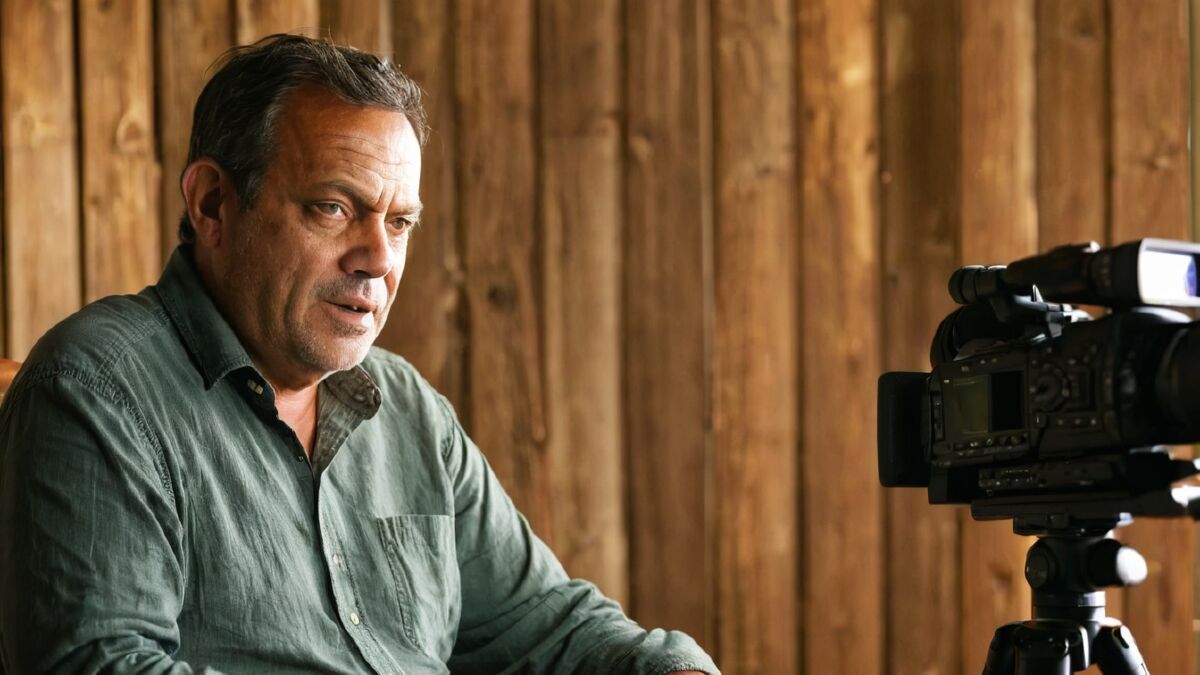
What to include in your profile:
- Proficiency in a local dialect or accent, specifying which one;
- Proficiency in languages common to the region;
- The ability to speak both with and without an accent—both skills are valuable;
- Knowledge of local customs and realities that could be useful for consulting.
An actor who can provide authentic speech has an advantage over a more experienced visiting actor—this is one of the few situations where being "local" is a professional asset.
International Productions in Your Region
Foreign projects also film abroad for rebates and authentic locations. For a local actor, this is a chance to appear in an international production without leaving home.
What you need for this:
- Working-level English. You don't necessarily need to be fluent, but you must understand directions on set.
- Materials in English. Resume, skill descriptions, and showreel captions.
- Registration on International Platforms with your location specified.
- Contact with Local Service Productions that cater to foreign shoots—they are the ones hiring local talent.
- Understanding the Legal Side: be aware of your employment status, who handles taxes, and how contracts with foreign clients are structured.
The Economics of Regional Work
A realistic look at the finances:
- Rates are typically lower than in major hubs. This is a market reality, partially offset by the lack of travel and housing expenses.
- Bit parts in visiting projects usually pay better than those in local low-budget productions.
- Clarify Travel Expenses. If filming is taking place in the outskirts or rural areas, check if transportation is compensated.
- Verify the Payer. Whether it is a local contractor or the main production company affects payment timelines.
- Do not agree to work "for exposure." Even on regional projects, a role with lines should be paid.
Note: Specific rates, contract forms, and tax rules vary significantly by market and jurisdiction.
To Relocate or Not
A question every regional actor eventually faces.
Arguments for moving to a production hub: more projects, more auditions, access to agencies, a professional environment, and the ability to attend in-person auditions quickly.
Arguments against: high competition, expensive cost of living, the need for a significant financial cushion, and the loss of your local advantage.
The middle ground, which is more viable now than ever: stay in your region but apply broadly. Self-tapes have removed the geographical barrier for the first stage; you only need to travel for a final callback or the shoot itself. Many actors work this way, visiting the hub for a few days a month.
The sensible order: first, build experience and materials where you live, then decide on relocating with a portfolio rather than starting from scratch.
Creating Your Own Production
If there are few projects, you can create them. This is not abstract advice: regional short films are a real breeding ground for both actors and directors.
- Find a local film school or courses: students always need performers for their assignments.
- Connect with people shooting short films in your city.
- Participate in local film festivals and competitions—that is where the community gathers.
- Shoot something yourself. A high-quality short piece filmed on a phone can be great portfolio material and a conversation starter.
Projects specifying regional filming locations are published in the castings section—filter by your city and region, and keep your geolocation current in your profile so visiting productions can find you.
Share


Author: Daniel Reeves, industry reporter
Publication date: September 13 2026
Views: 10
Comments
Other materials in this section

Explore how demand for performers works in episodic television, why guest roles provide a better entry point than feature films, and how to build a sustainable career in the industry.

Discover how the rise of online platforms has reshaped production, audition processes, and contract terms, and what this means for a modern performer's career.

Learn who does what, how they are paid, when you actually need representation, and why a platform complements rather than replaces a professional intermediary.
 Auditions in India
 Casting calls in USA
 Castingi w Polsce
 Кастинги в Україні
