How Streaming Platforms Have Changed the Acting Profession
Behind the Scenes: Show Business: How Streaming Platforms Have Changed the Acting ProfessionThe emergence of online streaming platforms has transformed film and television production more than any other event in recent decades. For actors, this translates to more opportunities, a different working rhythm, and several new contractual clauses that were previously irrelevant. Let's break down exactly what has changed.
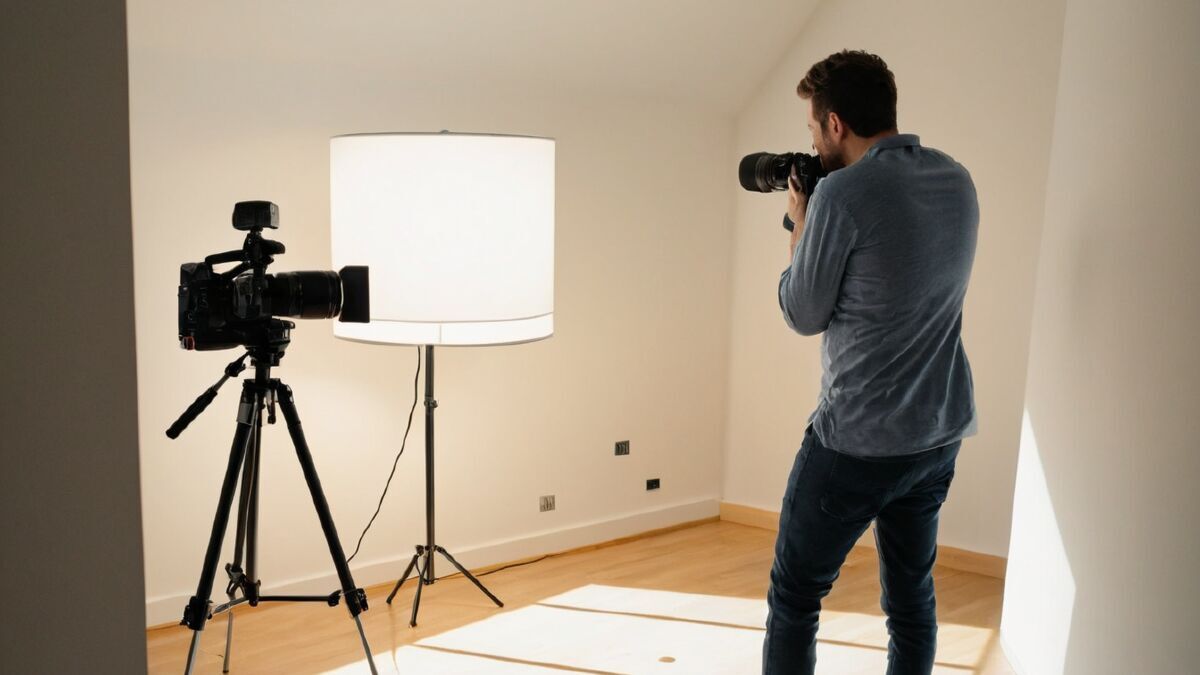
More Projects, More Roles
This is the most obvious consequence. Platforms produce content constantly because subscribers expect new premieres every month. This has led to:
- A surge in the number of series and limited series;
- More mid-budget projects that previously struggled to find financing;
- Increased demand for regional content as platforms expand into local markets;
- Greater genre diversity: niche stories that wouldn't attract a cinema audience now find their home online;
- More supporting and episodic roles, as long-form series require a densely populated world.
For the performer, it means one simple thing: there are more auditions, and the chances of landing a role are higher than in the era when production was limited to a few films a year and traditional network television.
A Different Production Pace
Streaming series are often filmed faster than traditional television, yet they maintain higher cinematic standards. The practical implications for the actor include:
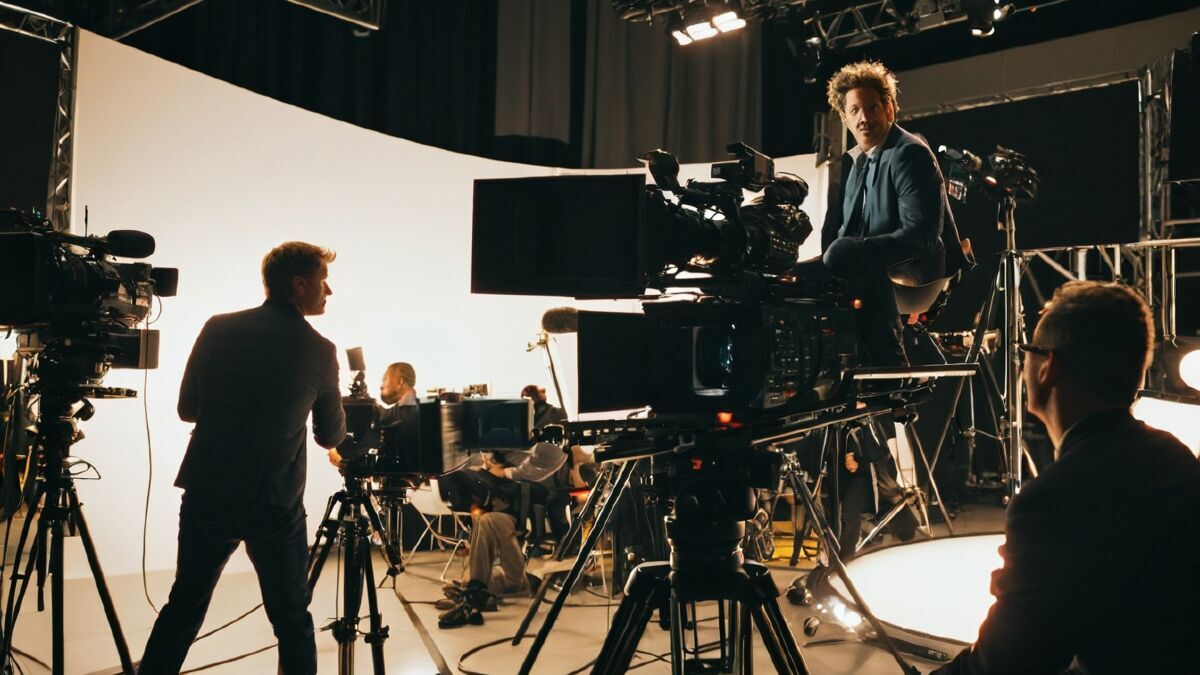
- Tight Schedules. High page counts per shooting day and very little time for rehearsals.
- Rapid Material Integration. Scripts often arrive late and may change during production.
- Higher Volume of Text. The ability to memorize lines quickly has become a critical professional skill.
- Block Shooting. Multiple episodes are often filmed simultaneously, with scenes shot out of order—requiring the actor to have a precise grasp of the character's emotional arc.
- Multiple Directors per Season. Actors must adapt to different directorial styles within a single project.
How Auditions Have Evolved
Self-Tapes as the Standard
This is the most significant practical shift. While self-tapes were once an exception for out-of-town talent, they are now the primary first stage of the casting process almost everywhere.
What this means for the actor:
- The need for a personal technical setup: camera, lighting, sound, and a suitable filming space;
- The need for a reader—or the ability to work without one;
- Technical quality now matters alongside acting: poor sound can lead to an immediate rejection;
- Tight deadlines: tapes are typically required within 24 to 48 hours;
- Geography is no longer a barrier—you can audition for projects in different cities or countries.
Online Callbacks
The second stage often takes place via video call with the director. This requires a specific skill set: performing into a laptop camera, maintaining connection through a screen, and managing connection lags.
Increased Competition
The downside of removing geographical barriers is that roles now attract candidates from across the globe. While this levels the playing field for those living outside major production hubs, it raises the bar for everyone.
Changes in Contracts
This is the most underestimated part of the shift.
Territory and Duration
Streaming platforms are global by nature; a project is available in many countries and remains in the catalog for years. Consequently, contracts often feature broad territories and long durations—often perpetual for primary use.
This isn't necessarily bad, but it should be reflected in the fee. The key question is whether the payment is commensurate with the scale of the distribution.
The Absence of Residuals
In the classic television model, there were payments for reruns. In the streaming model, a show isn't "rerun"—it simply exists in the catalog. This has shifted the income structure: the base fee is now far more significant than subsequent payments. Note that tax rules and residual structures vary by market and professional union.
Practical conclusion: negotiate your entry fee carefully, as bonuses for the project's success are rarely provided.
Options for Renewal
Series contracts usually contain an option: if the season is renewed, the actor is obligated to participate under pre-agreed terms. Check the following:
- How many seasons the option covers;
- Whether the rate is fixed or includes a scheduled increase;
- The timeframe for holding your dates;
- What happens if you are cast in another project.
A clause stating "terms for subsequent seasons are identical" locks in your rate for years, even if the project becomes a global hit. A reasonable edit is to include a renegotiation clause.
Digital Copies and AI
A relatively new and vital point. Phrasing regarding the right to use image and voice "by any means, including the creation of derivative materials using any technology" may grant permission for digital replication of your likeness.
Read these clauses literally and decide consciously: either request an explicit exclusion or separate payment. The general recommendation is not to sign such clauses by default.
Confidentiality
Requirements are stricter than in traditional production: bans on publications before the announcement, restrictions on mentioning your involvement, and sometimes limits on adding the role to your resume until release. Check if you are permitted to use materials in your showreel after the premiere.
New Requirements for Actors
- Authenticity over Theatricality. An intimate acting style, focus on close-ups, and minimal external exaggeration.
- Ability to Work Without Rehearsals. Readiness must come with the actor, not be developed on set.
- Memorization Speed. A direct result of the production pace.
- Technical Literacy. Managing self-tapes, online meetings, and home equipment.
- Languages. International projects and co-productions have made a second language a genuine competitive advantage.
- Consistency Across Takes. With tight schedules, there is no time for "searching" for the character; you need to hit the mark immediately.
What This Means for Your Career
The Pros
- More entry points: there are many projects, and many are looking for fresh, unknown faces.
- Geography is no longer the deciding factor.
- Supporting roles have become more visible: in a series, an episodic character can develop over several episodes.
- Audiences can find a project years after its release, rather than during a single premiere week.
- Age diversity has grown: series require characters of all ages.
The Cons
- Rights and usage terms have become stricter, and success-based bonuses are rare.
- Projects are canceled faster: a series may not be renewed after the first season regardless of quality.
- Production pace is higher, with less preparation time.
- Competition is geographically wider.
- Some production costs have shifted to the actor: self-tapes are filmed at your own expense and time.
Vertical Series and Short-Form Content
Alongside classic streaming, a separate segment has grown: vertical series filmed for smartphones, with episodes lasting one to two minutes. While the artistic value is debated, they create real work with their own requirements.
- Vertical Frame. Composition is built around the face and upper body; blocking is minimal, and everything relies on close-ups.
- Extreme Pace. An event must happen in every episode; there are no filler scenes, and lines are short.
- More Expressive Delivery. Since viewers watch on phones, often distractedly, subtle nuances can be lost.
- Rapid Production. An entire season can be shot in two to three weeks, sometimes ten or more pages per day.
- Lower Rates, but higher volume and regularity.
For an actor, this is a great training ground: lots of text, many close-ups, and instant feedback. Check the same rights in the contract: where it will be hosted, for how long, and if the material can be edited into promotional ads.
What Has Not Changed
Amidst all the changes, it is useful to remember what remains constant—this is what you should rely on.
- Suitability for the role matters more than follower count.
- A prepared actor will always beat an unprepared one.
- A reputation for being reliable works exactly as it did twenty years ago.
- A colleague's recommendation is still more powerful than any application.
- The ability to listen to a partner and react in a scene cannot be replaced by any technology.
How to Adapt
- Set up a home filming station. Light, background, tripod, and a lapel mic—a kit that pays for itself in one successful audition.
- Train your speed. Practice memorizing text regularly, even when you aren't on a project.
- Keep materials ready. Self-tapes are often requested within 24 hours; keep current photos and your showreel accessible.
- Understand your rights. Understanding what you are signing has become more important than ever.
- Develop an intimate acting style. A course on on-camera acting is no longer an extra—it is a mandatory part of your education.
- Apply globally. The barrier is gone; use it to your advantage.
Projects from platforms and streaming-focused production companies are published in the castings section along with others—pay close attention to the first stage requirements: it is most often a self-tape with a short deadline.
Share


Author: Alexander Shaida, Editor-in-chief
Publication date: August 22 2026
Views: 98
About us and our editorial policy
Comments
Other materials in this section

Discover how to turn a festival visit into a professional networking opportunity, from getting access to making lasting industry connections.

Learn how to prepare your materials for global castings, navigate visas and taxes, and build a realistic strategy for working abroad.

Discover why productions move to regional locations, how film commissions work, and how actors can leverage their local status to land roles.

Explore how demand for performers works in episodic television, why guest roles provide a better entry point than feature films, and how to build a sustainable career in the industry.

Learn who does what, how they are paid, when you actually need representation, and why a platform complements rather than replaces a professional intermediary.
 Auditions in India
 Casting calls in USA
 Castingi w Polsce
 Кастинги в Україні
