A complete guide to a filming day from call time to wrap
Behind the Scenes: Cinema: A complete guide to a filming day from call time to wrapYour first day on set can be disorienting: there are a hundred people around you, everyone is busy, you aren't called for four hours, and then suddenly you're required to be ready in one minute. Despite this, the structure is rigid and nearly identical across most projects. Let's break it down step by step.
The Day Before
The day actually begins the evening before when you receive the call sheet. Here is what you need to do:
- Check the call time and addresses—the base camp and the actual filming location are often in different places.
- Review which scenes you are in and where they fall in the schedule.
- Read the requirements block: what items you need to bring yourself and what to avoid.
- Pack your bag and prepare your clothing.
- Calculate your travel time with a buffer and set your alarm.
- Review the lines for tomorrow's scenes.
A shift typically lasts around twelve hours from the call time. Plan your wrap time with a two-to-three-hour buffer, as schedules almost always run over.
Arrival and Check-in
You should arrive at the base camp—the area where equipment, makeup trailers, and catering are located. Your first action: find the second assistant director (2nd AD) or the talent coordinator and check in. Your shift officially begins at this moment.
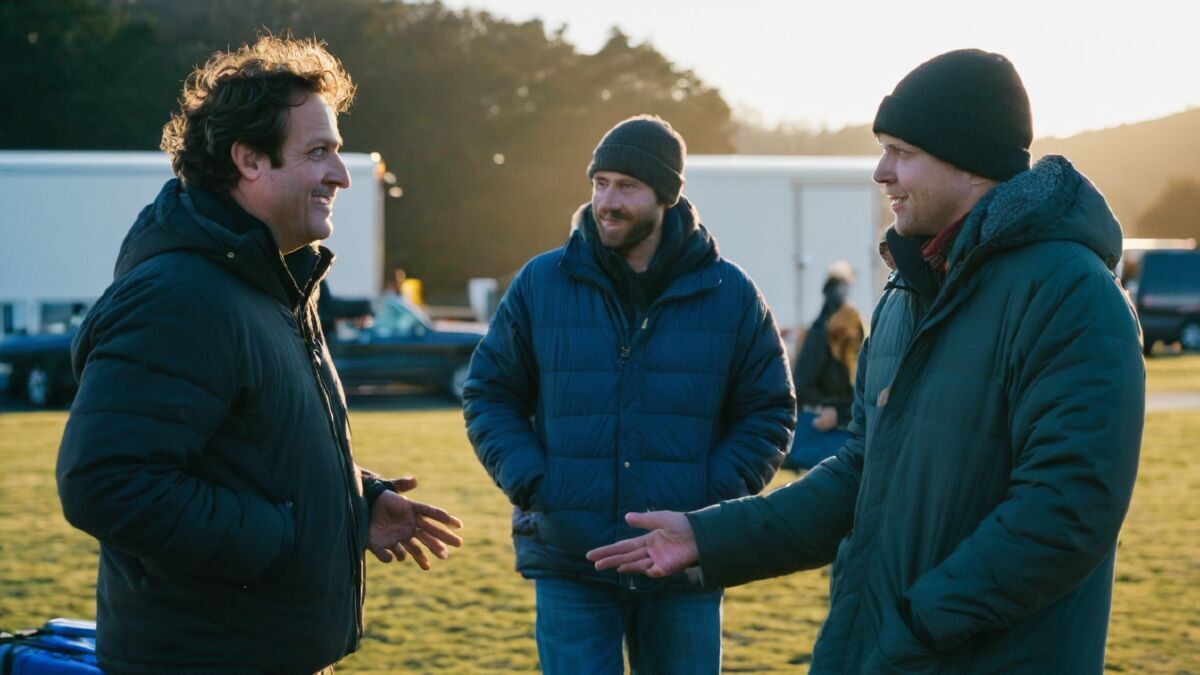
Paperwork takes a few minutes: signing a timesheet or contract and showing identification. Do not skip this step and take a photo of what you signed, as your payment depends on it. Please note that contract forms, tax rules, and payment rates vary by market.
Next, you will be shown where to leave your belongings and where your waiting area is located.
Wardrobe and Makeup
The order is usually: wardrobe first, then makeup and hair—this prevents makeup from being ruined during dressing. On large projects, you will have an individual time slot specified in the call sheet.
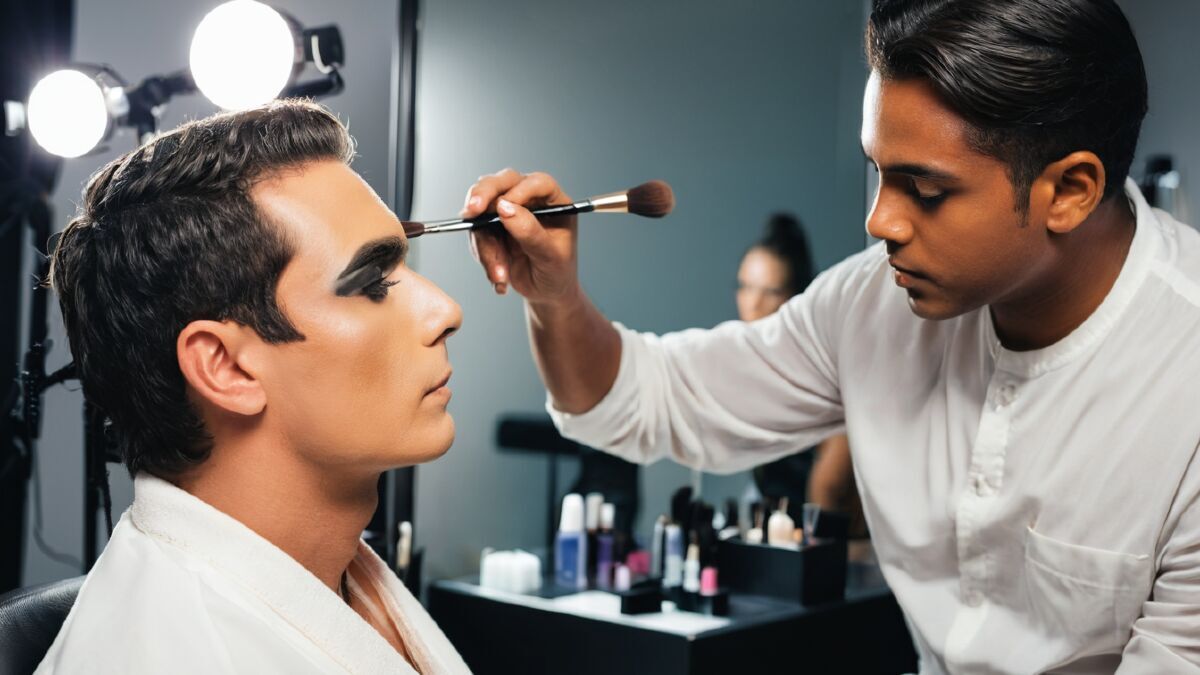
What is required of you:
- Arrive on time for your slot.
- Do not adjust the costume yourself and do not change clothes without the costume designer/wardrobe assistant.
- Immediately mention if something is too tight, chafing, or restricting your movement.
- Stay still in the makeup chair: complex makeup takes hours, and a fidgety actor prolongs the process.
- Do not touch your face after makeup is applied.
This is also a good time to: review your lines, discuss the scene with your scene partner, or ask the makeup artist about the character's progression in the project.
The Wait
This is the longest part of the day and the most psychologically challenging. Between being "ready" and your first shot, anywhere from thirty minutes to six hours may pass.

What is happening during this time: the crew is setting the lights, the cinematographer is framing the shot, scenes without you are being filmed, and technical issues are being resolved.
How to handle the wait correctly:
- Do not leave the base without notifying the 2nd AD. Not even for five minutes.
- Stay ready. You may be called suddenly, and "I'll be right there, I just need to change" is a poor response.
- Conserve your energy. Avoid spending your emotional resources on excessive talking or anxiety.
- Stretch every two to three hours. A short routine: neck, shoulders, shaking out the limbs, and breathing exercises.
- Monitor your condition. Eat, drink, stay warm, and avoid overheating.
- Don't spend the whole day on your phone. It is noticeable and can create an impression of lack of interest.
Called to Set
Assistants will call you. From this moment, the pace changes abruptly: what you waited five hours for now happens very quickly.
Upon arriving on set:
- Do not walk in front of the camera and do not step on cables.
- Wait for instructions on where to stand and where to go.
- Confirm your mark and memorize it.
- If something is unclear, ask immediately, not at the moment the director calls "action."
Rehearsal and Blocking
This is the first run-through of the scene for the crew. You perform the action, the cinematographer checks the frame, the assistant places marks on the floor, and the lighting technicians adjust the fixtures.
What is important:
- Memorize your marks. Not "somewhere around there," but exactly.
- Fix your movements. Which hand holds the object, on which word you turn—all of this must be repeated in every take.
- Don't overexert yourself. Rehearsals are technical; save your full emotional power for the actual takes.
- Ask the director questions if you have any. This is the last convenient moment to do so.
Blocking is often followed by a pause while the lighting is set for the approved staging. Sometimes "lighting doubles" stand in for you during this stage, and you are sent back to the trailer.
Filming
The sequence of commands usually goes: quiet on set — roll camera — camera is rolling — sound is recording — clapboard — action. You perform. You only stop when you hear the command "cut."
Keep these points in mind:
- Do not exit the scene before "cut." Even if you messed up, even if it seems the take is ruined.
- Leave a second before and after. The editor needs clean entry and exit points.
- Maintain consistency. Every take should have the same movements.
- Listen to the direction and execute it. Do not debate.
- Do not ask how it went. They will tell you if something needs to be changed.
One scene is filmed in several shot sizes: wide shot, medium shot, and close-ups for each participant. The scene is played in full each time. Therefore, ten to twenty takes for a short segment is normal, not a sign of a problem.
Between Setups
After each change in camera position, there is a pause for resetting—from twenty minutes to an hour. During this time:
- The makeup artist will touch up your look, and the wardrobe assistant will fix your costume.
- You can drink water and stretch.
- Do not change anything about your appearance on your own.
- Do not wander too far.
Lunch
Usually occurring six hours into the shift and lasting about an hour. The rules are simple: do not eat in costume without a protective robe, do not overeat before a demanding scene, and return on time.
If your scene is immediately after lunch, eat lightly: a full stomach can be distracting and sometimes visible on camera.
The Second Half of the Shift
This is where resource management becomes critical. Fatigue builds up for everyone, and the pace usually accelerates as the crew tries to catch up with the schedule.
What helps:
- A short warm-up before every exit.
- Drinking water in small portions.
- Avoiding straining your voice in conversation if demanding scenes are ahead.
- Reporting problems immediately: if you are freezing, have a blister, or your voice is failing. Enduring until the end is a bad strategy, as there may be no time to fix it at the very end.
Overtime
If the shift exceeds the agreed-upon hours, overtime begins. This is paid separately if specified in your contract.
How to handle it: do not start disputes on set during filming. Calmly ask the 2nd AD during a break how overtime is recorded. It is best to discuss this once and professionally.
Wrap
The shift ends with the "wrap" command. Your actions:
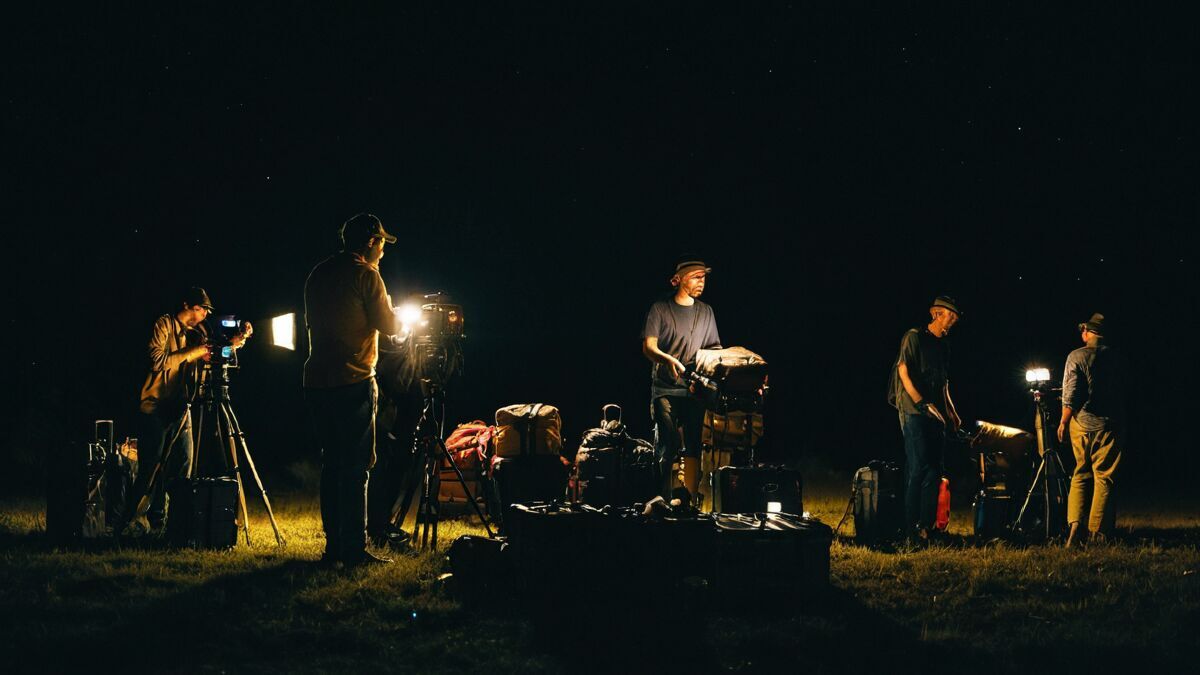
- Remove makeup correctly—using oil or a proper cleanser, not just wipes.
- Return the costume to the wardrobe department and ensure the return is recorded.
- Check out with the 2nd AD or assistant. Leaving without checking out can result in payment issues.
- Confirm if you are on the schedule for tomorrow.
- Double-check that you have collected all your personal belongings.
Sometimes you are released before the end of the overall shift. Always confirm that you are definitely free and check out—leaving without permission is viewed unfavorably.
After the Shift
- Remove any remaining makeup at home, wash your face twice, and moisturize your skin.
- Stretch if you spent the day on your feet.
- Give your voice a rest after intense scenes.
- Note the continuity of your role: which costume you wore, your emotional state, and what has already been filmed. On long projects, this is a lifesaver.
- Get plenty of sleep—tomorrow could be exactly the same.
Summary
- The shift is counted from the call time, not the start of filming, and lasts about twelve hours.
- The base camp and the set are often different locations; check in immediately upon arrival.
- Do not adjust costume or makeup yourself; report discomfort immediately.
- Waiting is a major part of the day; do not leave, stay ready, and keep stretching.
- During blocking, memorize your marks and fix your movements.
- Only exit a scene after the "cut" command.
- At wrap: remove makeup, return costume, check out, and confirm tomorrow's schedule.
Find projects currently in production in the castings section.
Share


Author: Alexander Shaida, Editor-in-chief
Publication date: October 08 2026
Views: 56
About us and our editorial policy
Comments
Other materials in this section

Learn when the clock starts ticking, what counts as a shift, and how to handle overtime, downtime, and travel to ensure you are paid fairly for your time.

Joseph Zada leads Francis Lawrence’s prequel alongside Ralph Fiennes, Elle Fanning and Jesse Plemons, in theaters November 20.
Scarlett Johansson and Miles Teller co-star in Neon’s 1980s Queens crime drama, opening November 13.

David O. Russell’s biopic of the Raiders coach, broadcaster and video game icon streams November 18.

Ian McKellen, Rupert Grint and Daisy Ridley round out the cast of Paramount’s Dickens adaptation, due November 13.

David Leitch’s heist thriller, co-starring Pete Davidson and John C. Reilly, hits theaters November 13 after a date change.
 Auditions in India
 Casting calls in USA
 Castingi w Polsce
 Кастинги в Україні

