When to Take a Career Break
Behind the Scenes: Rest and Recovery: When to Take a Career BreakIn a profession where work is irregular, the idea of a conscious break may seem strange: there are already enough gaps between projects. However, a "dry spell" and a "break" are different things. In a dry spell, you are waiting and searching; in a break, you are consciously stopping. And sometimes, the latter is necessary.
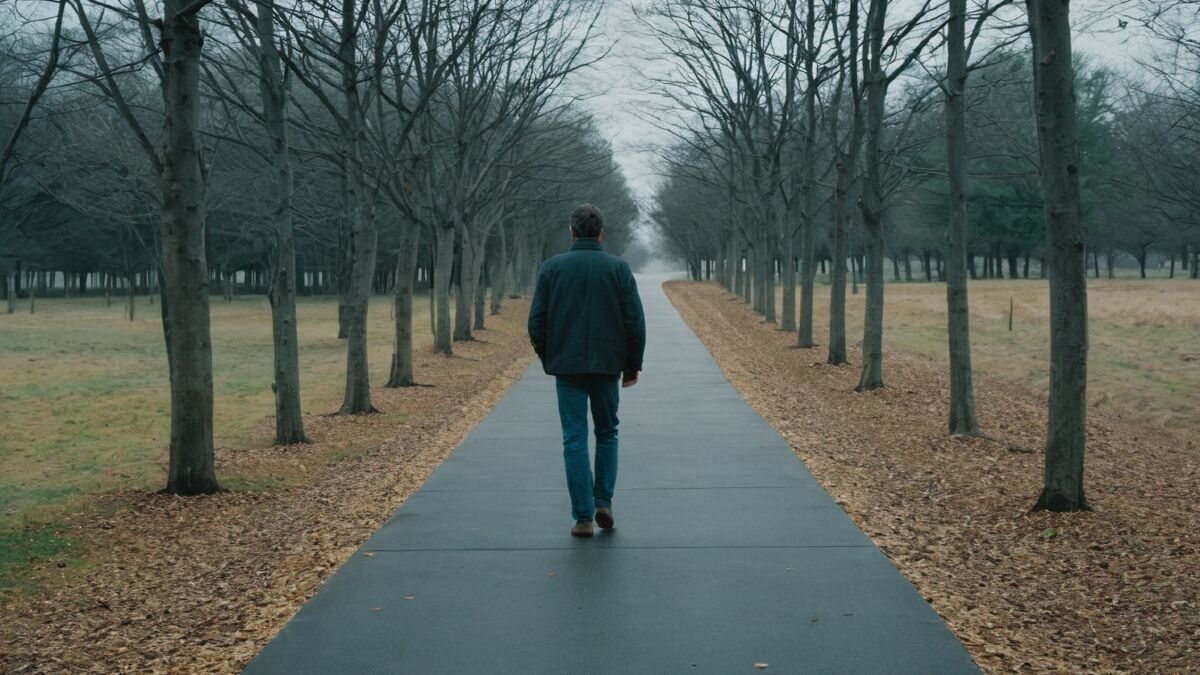
Fatigue, Burnout, and the Career Break
Fatigue disappears after rest. Once you've caught up on sleep and taken a week off, you feel the desire to work again.
Burnout cannot be cured by simple rest. Even after a vacation, the thought of auditions brings a sense of heaviness rather than excitement. It is not energy that disappears, but meaning.
A career break is a management decision: to stop in order to figure things out and return differently. It may be necessary even without burnout—for example, when changing your professional direction.
Signs That It's Time to Stop
- An invitation to audition causes irritation rather than interest.
- You procrastinate on responding to casting calls, even when you have plenty of time.
- You feel empty rather than satisfied after a shoot or performance.
- You've stopped noticing the positives in your work, focusing only on mistakes.
- Sleep does not restore you; you feel a constant, background exhaustion.
- You have developed a cynical attitude toward the profession and your colleagues.
- You are clinging to your career out of fear of "wasting all those years" rather than a genuine desire to work.
- Your health is beginning to suffer: issues with your voice, back, skin, or digestion.
If you experience three or four of these points consecutively for several months, it is no longer just a "rough patch."
Justified Reasons for a Break
- Burnout. The most common reason.
- Health. Especially regarding the voice and the musculoskeletal system—trying to "push through to the end of the project" can be costly in the long run.
- Family circumstances. The birth of a child, a relative's illness, or relocating.
- Education. Sometimes growth requires stepping out of the flow to study for a year.
- Changing direction. Transitioning from modeling to acting, from theater to film, or into a related profession.
- Financial necessity. The need to cover basic needs with more stable employment.
How to Take a Break the Right Way
The difference between a strategic break and simply disappearing is how you handle the transition.
- Set a timeframe. Even an approximate one: three months, six months, a year. An indefinite break often turns into a permanent departure.
- Fulfill your obligations. Finish your current projects and notify those who are counting on you.
- Inform key contacts. Keep it brief and drama-free: "I'm taking a break until spring; I'll let you know when I'm back." This is far better than silently ignoring invitations.
- Do not delete your profile. Keep your account active; simply mark yourself as "unavailable" if the platform provides that option.
- Agree on a minimum level of engagement. For example: check industry news once a month. A total disconnect makes returning much harder.
What to Do During Your Break
This depends on the reason for the break.
In case of burnout, the first few weeks should involve doing absolutely nothing related to the profession. Not "productive resting," but true recovery: sleep, movement, hobbies outside the industry, and socializing with people who are not in the business. Plan your return when your interest returns, not according to a calendar.
When changing direction, focus on learning and experimenting with new skills while maintaining some of your existing professional connections.
For health reasons, seek full treatment and recovery, rather than stopping only when the pain becomes "tolerable."
For financial reasons, look for work that won't permanently block your return: seek flexible roles rather than those that will consume all your available dates.
What You Shouldn't Fear
- "I'll be forgotten." You will be forgotten anyway if you don't remind people of your existence—and you will be remembered when you return with updated materials. The industry remembers those who were professional and easy to work with.
- "I'll lose my form." Professional form returns faster than you think, especially if you didn't completely abandon your physical and vocal maintenance during the break.
- "I'll age out." Mature archetypes are always in demand, and a one-year break rarely changes your casting range.
How to Return
- Update your materials first. Get new photos—your look has almost certainly changed.
- Fully update your profile, including new skills and current measurements.
- Record self-tapes to regain your comfort in front of the camera a couple of weeks before you start applying again.
- Reach out to former collaborators. Keep it short: "I'm back, here are my new materials."
- Start with smaller projects. Don't try to jump immediately back to your previous level—the first few jobs are about regaining your rhythm.
- Do not explain the break in detail. "I took a break, and now I'm working again" is a sufficient answer.
When a Break Becomes a Departure
This is also a valid outcome. If interest does not return after recovery, if life without auditions feels calmer and more fulfilling, or if you realize you were holding onto the profession only by inertia—leaving is not a failure, but a decision. People leave and return years later, move into related fields, or stay in the industry on the other side of the camera.
The only bad option is to linger for years in a state where there is no work, no pleasure, and no decision.
Summary
- Fatigue is cured by rest; burnout is not.
- Irritation at invitations and emptiness after shifts are warning signals.
- A break should have an approximate timeframe, otherwise, it's a departure.
- Notify key contacts and keep your profile active.
- With burnout, do nothing professional for the first few weeks.
- Returning starts with new materials and small projects.
When you decide to return, check the open projects in the castings section.
Share


Author: Alexander Shaida, Editor-in-chief
Publication date: October 06 2026
Views: 33
About us and our editorial policy
Comments
Other materials in this section
Why film and commercial work can be challenging for families, how to manage shifting plans, handle financial instability, and leave your character at the door.

What to do when bookings disappear for months: how to distinguish a market lull from a systemic issue, how to use your time productively, and how to manage finances without losing your professional edge.

Why this feeling is more common in acting and modeling than in other fields, how to distinguish it from a realistic self-assessment, and practical ways to manage it.

Why nervousness is normal and even beneficial, and how to manage it a day, an hour, and a minute before you enter the room.
 Auditions in India
 Casting calls in USA
 Castingi w Polsce
 Кастинги в Україні

