Why there are so many duplicates and how to keep the tenth one fresh
Behind the Scenes: Cinema: Why there are so many duplicates and how to keep the tenth one freshFor a beginning actor, the number of takes can be unsettling: you feel you've delivered a great performance, yet you're asked to do it again, and then again. By the eighth take, it often feels like the quality is dropping. This sensation is deceptive; the process follows a clear logic that is helpful to understand in advance.
Why There Are So Many Takes
Takes are repeated for various reasons, and most of them have nothing to do with your performance:
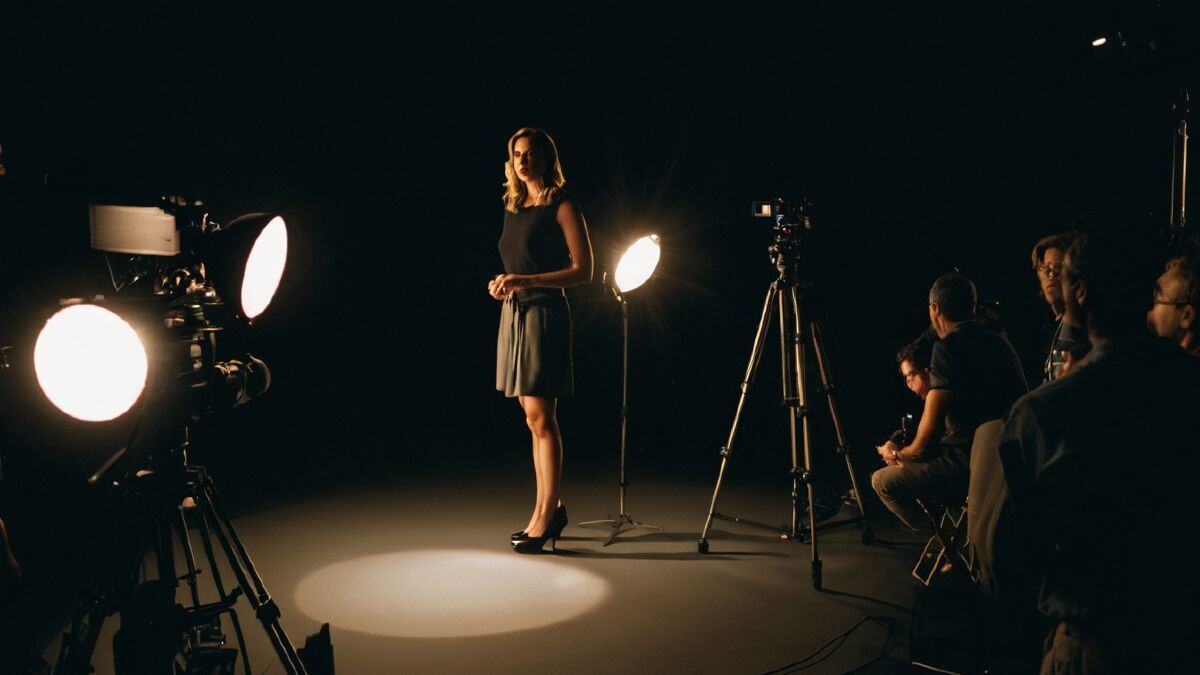
- Technical glitches. The focus shifted, a microphone shadow entered the frame, there was background noise, or the camera shook.
- Errors elsewhere. A scene partner stumbled over a line, a prop fell, or someone accidentally walked into the shot.
- Different shot sizes. The same scene is filmed as a wide shot, then a medium shot, then close-ups for each actor—and the entire scene is played out each time.
- Editing options. The director wants a "safety" buffer: a faster version, a slower one, one with a pause, and one without.
- Insurance. Even when everything is perfect, they often film one more "just in case."
- Your performance. Only occasionally is a retake needed because the acting needs to be different.
A useful habit: stop counting takes and stop looking for a grade in the number of repetitions. Ten takes for a complex scene is normal, not a sign of failure.
Decoding Commands Between Takes
- "Once more, exactly the same" — Technical reason or insurance. Change nothing.
- "One more, just a bit looser" — A slight adjustment to the performance, but a gentle one.
- "Let's try it differently" — The director is exploring options; your previous take wasn't necessarily bad.
- "Just for safety" — The scene is essentially captured.
- "That's a print" or "We'll use that one" — The take has been selected.
- Silence and a move to the next shot — everything is fine, moving on.
Why It Feels Worse by the Tenth Take
Three mechanisms work against you, and all three are manageable.
Automation. The brain memorizes the sequence and begins to output it on autopilot. Speech becomes flat, and reactions become predictable.
Loss of the "First Time." The character in the scene is hearing the news for the first time, but you are hearing it for the eleventh. This is the primary challenge of multi-take work.
Physical Fatigue. Especially in emotional scenes: the body consumes resources just as it would during a real-life experience.
What to Do: Technical Tips
Change the detail, not the pattern. In every take, give yourself one small new task: look at your partner on a different line, or take a pause half a second later. The overall pattern remains, but your attention stays alive.
Play the action, not the result. "Getting an answer from him" can be repeated endlessly; "playing despair" burns out by the third take.
Lean on your partner. Truly look at them and react to what they are doing right now. They are also changing from take to take, and that is your source of authenticity.
Return to the event. Before every take, reconstruct in your mind what happened one second before the scene started. This triggers the "first time" feeling.
Don't "act" during the pauses. Between takes, let go of the emotional state completely. Trying to "hold onto" it is exhausting and ineffective.
Managing Body and Voice
- Breathe between takes. A few deep breaths restore your energy faster than you might think.
- Sip water. The voice can strain during emotional scenes or due to dry air in the studio.
- Stretch your shoulders and jaw. Tension accumulates there and becomes visible in close-ups.
- Protect your voice in screaming scenes. You cannot scream at full power in every take—you will blow your vocal cords by mid-shift. Discuss with the director which takes require full volume.
- In physically demanding scenes, ask for a break directly. This is a normal professional request.
If the Scene Stops Working
It happens to everyone. Here is the order of action:
- Speak up. "Give me a minute" is a normal request that is understood on set.
- Return to the basics. What do I want from my partner in this scene? One phrase, one verb.
- Shift your point of focus. If you were playing "from the head," switch to a physical action. And vice versa.
- Ask the director directly: "What would you like to see in this take?" A specific answer clears a mental block faster than self-analysis.
- Avoid excessive apologizing. Once is enough; beyond that, it wastes the time and attention of the crew.
The Close-Up: A Different Mode
By the time they get to your close-ups, you've already played the scene many times in other shot sizes, and fatigue is at its peak. Yet, the close-up is what most often makes it into the final edit.
What helps: reduce the amplitude of everything—gestures, facial expressions, volume—and focus on the thought. In a close-up, what happens in the eyes works better than what the hands are doing.
Quick Summary
- Most takes are repeated for technical reasons, not because of your acting.
- Repeating a scene entirely for every shot size is normal.
- Play the action, not the state: action can be repeated, state burns out.
- Change one small detail in every take while keeping the overall pattern.
- Between takes: let go of the state, breathe, drink water, and stretch.
- If you get stuck—ask for a minute and return to a simple task.
Note: Rates, contract forms, and tax rules differ by market. For current production projects, visit the castings section.
Share


Author: Daniel Reeves, industry reporter
Publication date: September 22 2026
Views: 10
Comments
Other materials in this section

The Coraline studio’s adaptation of Colin Meloy’s fantasy novel runs 132 minutes, uses 231 puppets and features Carey Mulligan and Mahershala Ali. It opens October 23.
Mike Flanagan conceived it, James Watkins directs, and DC Studios is releasing it for Halloween on October 23. What to know about the DCU’s next film.
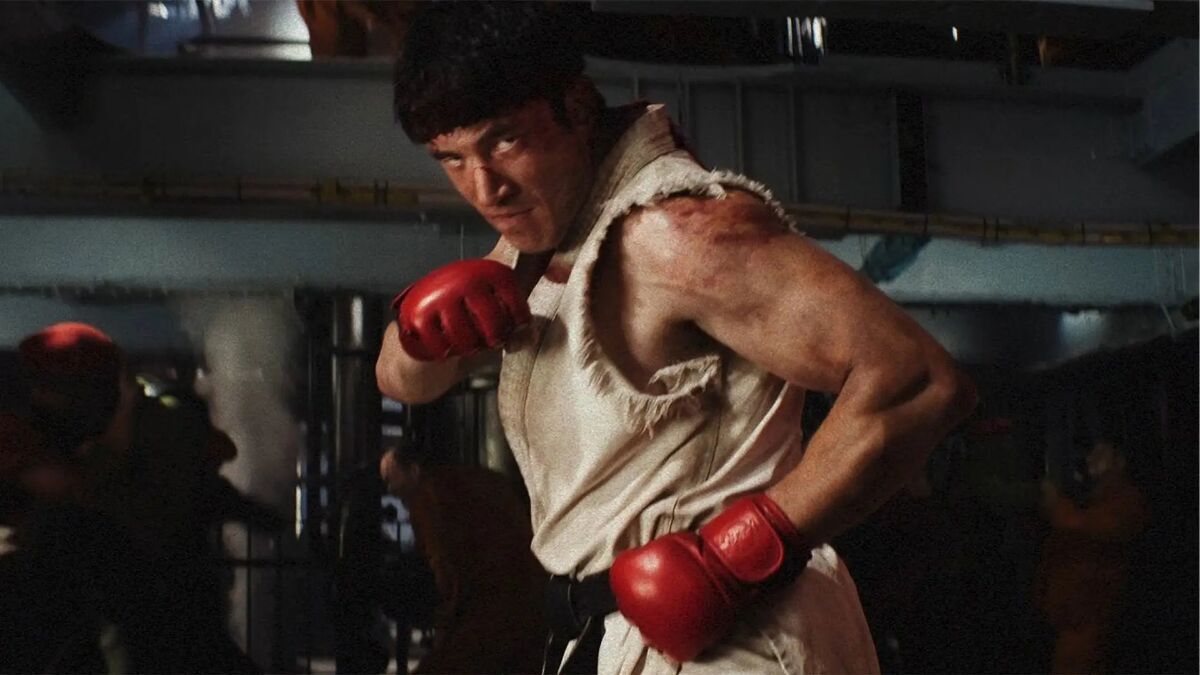
Jason Momoa, 50 Cent, Roman Reigns and Noah Centineo lead Kitao Sakurai’s action-comedy take on the Capcom classic, opening October 16. Here is everything we know.
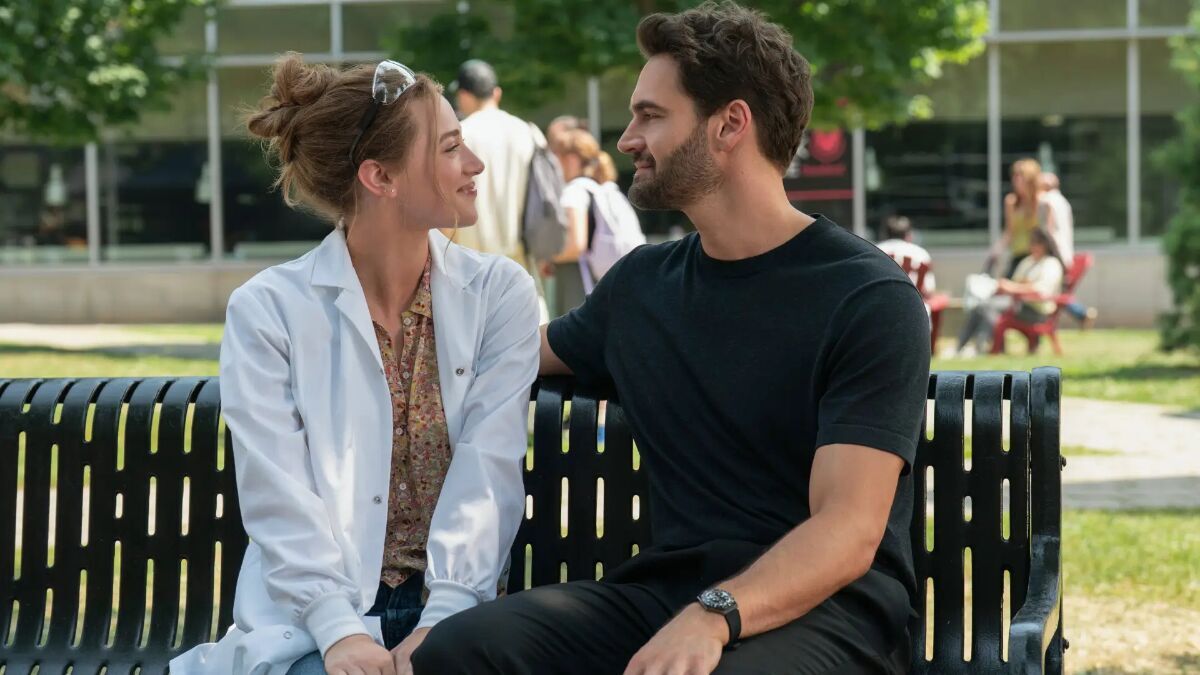
Lili Reinhart and Tom Bateman fake-date their way through Ali Hazelwood’s bestselling STEM romance, streaming September 23. The story, the cast and the book’s surprising origin.

Kevin Macdonald’s real-time thriller sits at 10% on Rotten Tomatoes yet hit No. 1 on Prime Video in the US, the UK and 38 more countries. The story, the filmmakers and the London shoot.
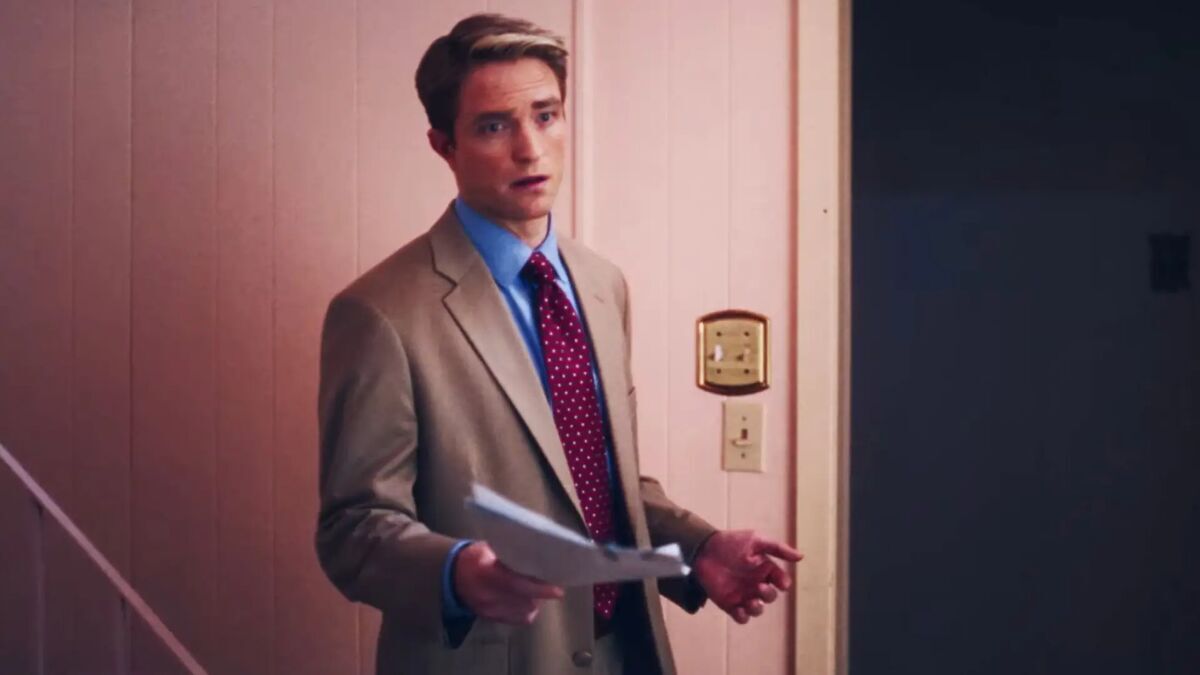
A24’s Primetime, Lance Oppenheim’s fiction debut, opens September 25. The real Murphy, Texas, case behind it, the Venice reception and why Chris Hansen is buying ads before every screening.
 Auditions in India
 Casting calls in USA
 Castingi w Polsce
 Кастинги в Україні
