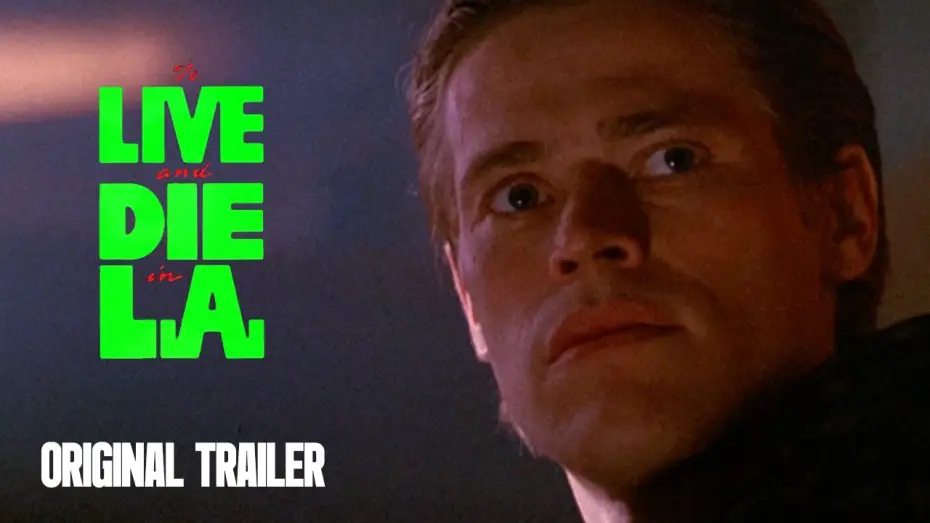
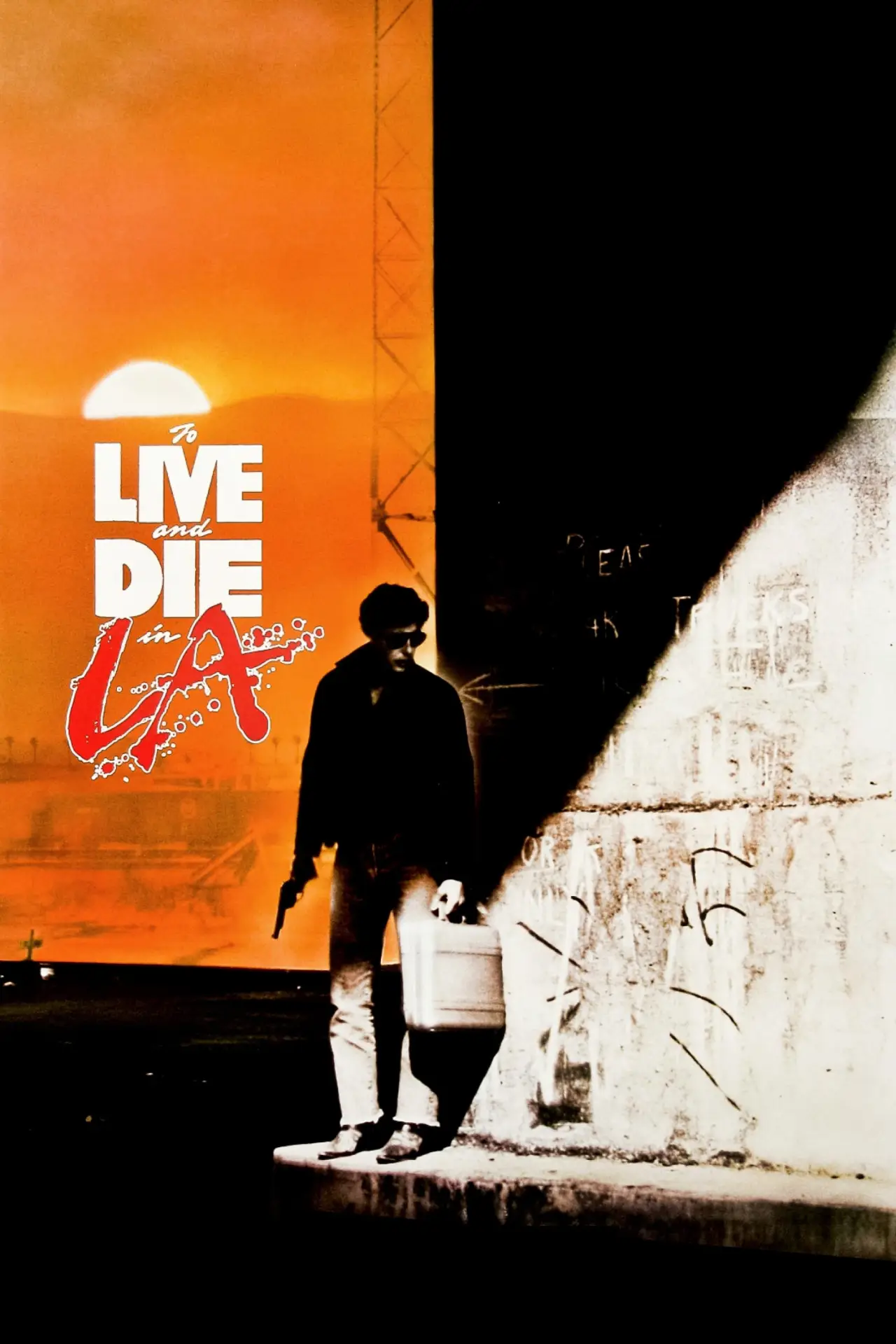
To Live and Die in L.A.
A federal agent is dead. A killer is loose. And the City of Angels is about to explode.



Country
Budget
$6 000 000
Box office
$17 307 019
Director
Actors
Scenario
Producer
Irving H. Levin, Samuel Schulman
Camera operator
Composer
Artist
Lilly Kilvert, Dins W. W. Danielsen
Audition
Robert Weiner
Editing
M. Scott Smith
Whole Team (173)
Whole Team (173)
Short description
When his longtime partner on the force is killed, reckless U.S. Secret Service agent Richard Chance vows revenge, setting out to nab dangerous counterfeit artist Eric Masters.
What's left behind the scenes
- At the beginning of the film, Willem Dafoe's character prints money. At that moment, counterfeit money was actually being printed there; a convicted counterfeiter, hired as a consultant, demonstrated how it was done. Every time a helicopter flew over the building, Willem Dafoe felt that it was the police and they would all be arrested any minute.
- Director William Friedkin insisted that everything shown on screen be as realistic as possible. For the scenes involving the printing of dollars, two former convicted counterfeiters were hired as consultants, and FBI agents and police officers were also present on set.
- Gary Sinise initially auditioned for the role of Chance, and it was he who suggested William Petersen to William Friedkin when he himself failed to pass the audition.
- The car chase scene was filmed last. It took 6 weeks to shoot.
- Film director William Friedkin recounted that the counterfeit money turned out to be of such high quality that when some bills were accidentally left unattended on the set one day, representatives from the Secret Service (which was under the jurisdiction of the US Department of the Treasury until 2003) and the Attorney General's Office contacted him.
- Prison scenes were filmed at a correctional facility in San Luis Obispo County (west central California), and actual inmates incarcerated there played the roles of prisoners.
- For the paintings of Masters, played by Willem Dafoe, the filmmakers used works by German artist Rainer Fetting. In one scene in the church, he even briefly appeared on screen as a priest.
- Legendary cinematographer Robbie Müller refused to shoot the car chase scene; instead, it was filmed by second unit cinematographer Robert D. Yeoman.
- Despite the film crew’s best efforts, some counterfeit bills were still taken from the set and put into circulation.
- Friedkin decided not to include a scene filmed near the end of the film, in which Vukovich attempts to reconcile with his ex-wife. These scenes can be found on the DVD release of the film. The director later stated that he no longer remembered why he had filmed the scene, and said he regretted having done so.
- In the final scene at the warehouse after the shootout, when the ammunition has run out, the hero John Pankow continues to pull the trigger. The audience hears clicks, but the revolver's cylinder does not rotate.
Similar movies
8.3/10
8.3/10
8.2/10
8.1/10
7.8/10
7.8/10
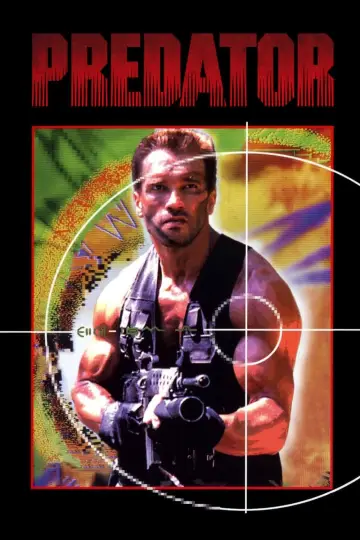
7.8/10
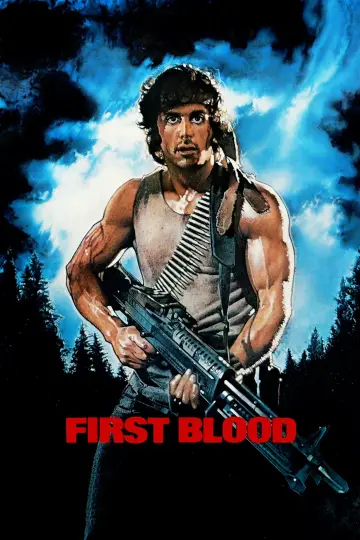
7.8/10
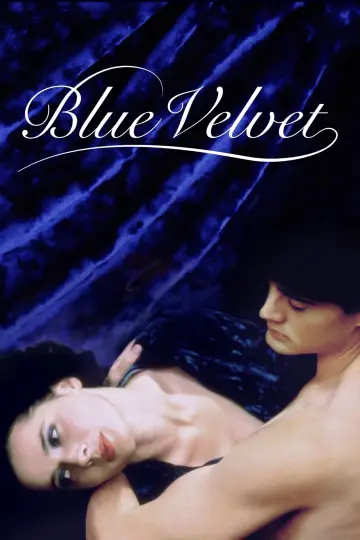
7.7/10
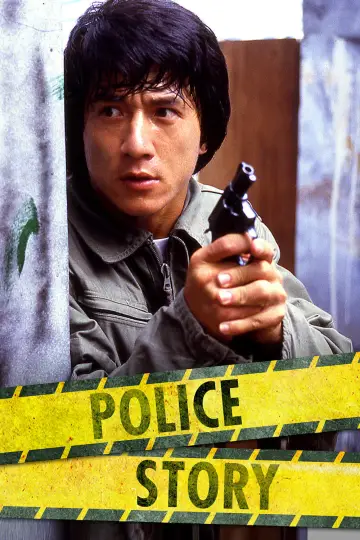
7.7/10


 Auditions in India
 Casting calls in USA
 Castingi w Polsce
 Кастинги в Україні
