Rififi
...Means Trouble!



Country
Production
Budget
$200 000
Box office
$460 226
Director
Actors
Jean Servais, Carl Möhner, Robert Manuel, Janine Darcey, Pierre Grasset, Robert Hossein, Marcel Lupovici, Dominique Maurin, Magali Noël, Marie Sabouret
All actors and roles (10)
All actors and roles (10)
Scenario
Producer
Henri Bérard, René Bezard, Pierre Cabaud
Camera operator
Composer
Artist
Alexandre Trauner
Audition
Editing
Roger Dwyre
Whole Team (44)
Whole Team (44)
Short description
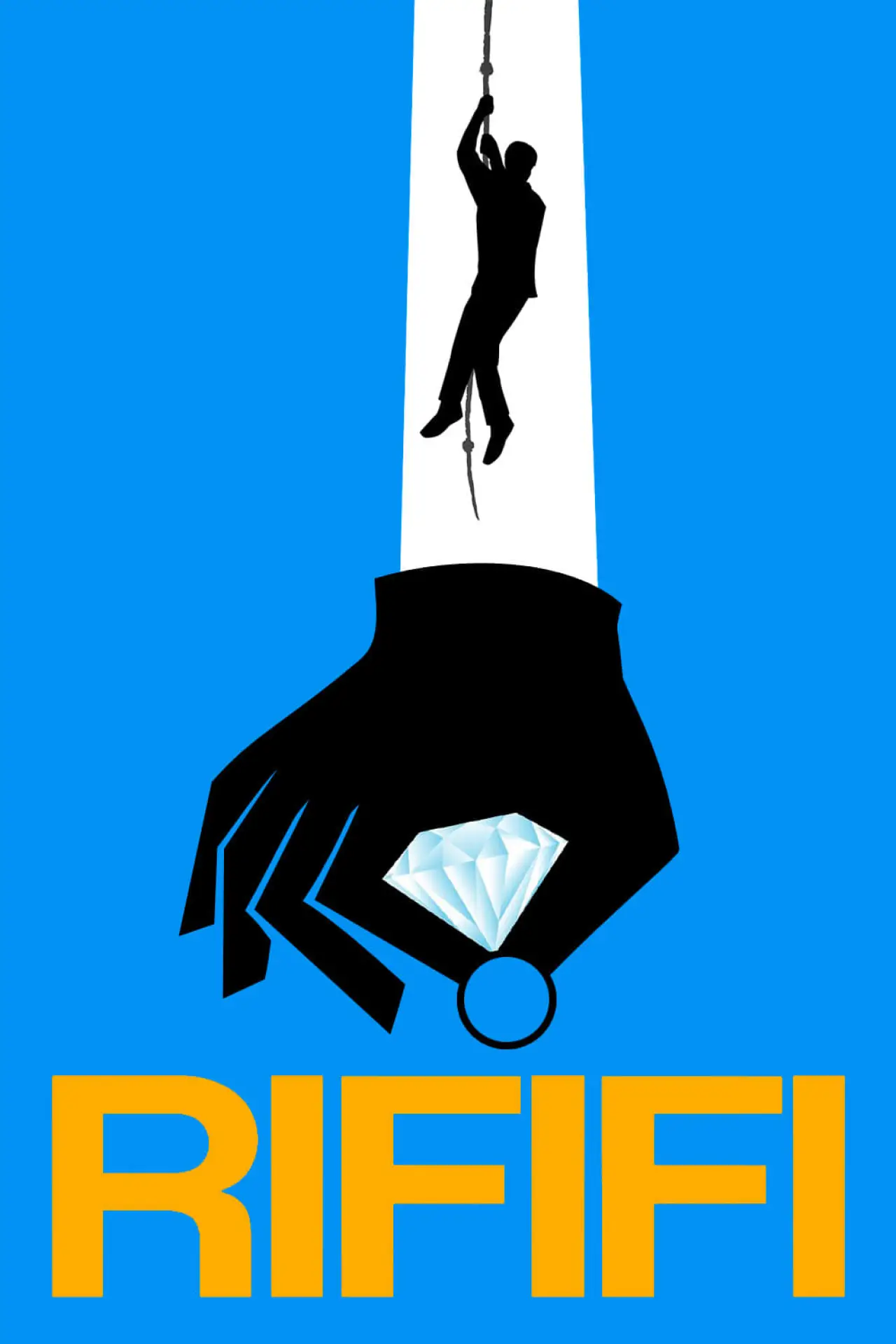
Out of prison after a five-year stretch, jewel thief Tony turns down a quick job his friend Jo offers him, until he discovers that his old girlfriend Mado has become the lover of local gangster Pierre Grutter during Tony's absence. Expanding a minor smash-and-grab into a full-scale jewel heist, Tony and his crew appear to get away clean, but their actions after the job is completed threaten the lives of everyone involved.
What's left behind the scenes
- The film is based on the novel of the same name by Auguste Le Breton.
- At the same time, some countries banned the film from being shown as a kind of textbook for thieves. For example, in Mexico, it was announced that the film had spawned a whole wave of jewelry store robberies.
- In 2000, a restored version of the film was successfully released in American cinemas.
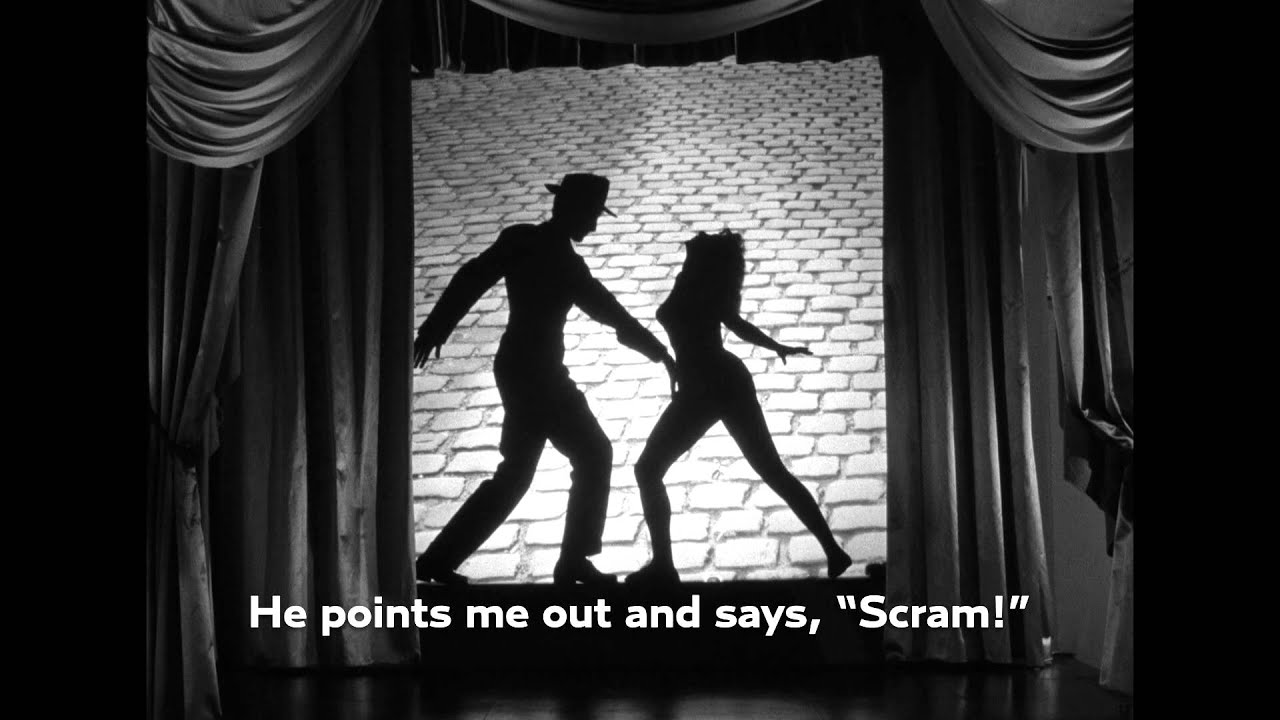
- The film contains several scenes that have become part of the golden fund of world cinema – the half-hour scene of the robbery of a jewelry store on Rivoli Street, filmed with maximum realism, in complete silence; the sensual performance of Magali Noël in front of men in a nightclub; the death agony of the main character behind the wheel of a car.
- "Rififi" is the first film in 5 years by American director Jules Dassin, exiled from Hollywood during the McCarthy era. Dassin was ostracized from his profession on the slander of his own colleagues. Echoes of his bitterness can be felt in the scene where Tony deals with Caesar (who, ironically, was played by Dassin himself). This scene, absent from the novel, was introduced into the film at the director's insistence.
- The film was shot on a tiny budget with second-rate actors. Jean Servais, who suffered from alcoholism, was chosen for the role of the fallen gangster; the director himself took on the role of Caesar. Despite the producers' objections, Dassen insisted on abandoning fight scenes (which were unavoidable in French crime films at the time) and shooting in sunlight ("everything must be gray," he explained).
- In the US, the film encountered censorship difficulties; it was said that the scenes of violence were excessive. After a moralizing epigraph from the Bible was added to the film, it was released in the American market and enjoyed great success there. Dassin became the first person to successfully break free from the Hollywood blacklist without losses.
- Before Dassin was approved as director, it was assumed that Jean-Pierre Melville would direct the film.
Similar movies
8.4/10
8.4/10
8.1/10
8.1/10
8.1/10
8.1/10
8.1/10
8/10
8/10
7.9/10


 Auditions in India
 Casting calls in USA
 Castingi w Polsce
 Кастинги в Україні
