Luther
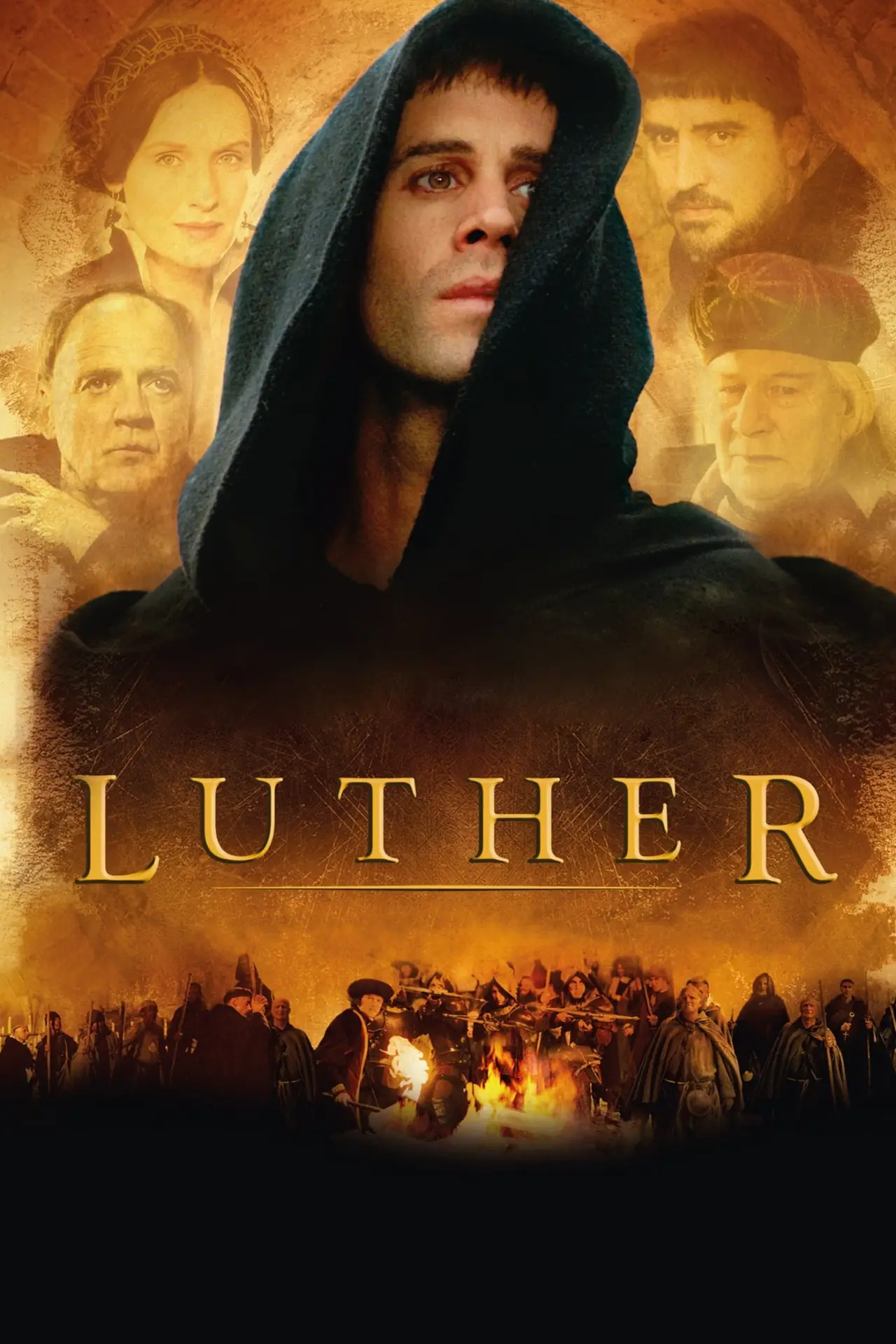
Rebel. Genius. Liberator.



Country
Budget
$30 000 000
Box office
$29 400 000
Director
Actors
Joseph Fiennes, Jonathan Firth, Claire Cox, Alfred Molina, Peter Ustinov, Bruno Ganz, Uwe Ochsenknecht, Maria Simon, Mathieu Carrière, Benjamin Sadler
All actors and roles (10)
All actors and roles (10)
Scenario
Producer
Brigitte Rochow, Alexander Thies, Christian P. Stehr, Kurt Rittig, Gabriela Pfändner, J. Daniel Nichols, Dennis A. Clauss
Camera operator
Composer
Richard Harvey
Artist
Audition
Brigitte Rochow, Lilia Trapani
Editing
Clive Barrett
Whole Team (29)
Whole Team (29)
Short description
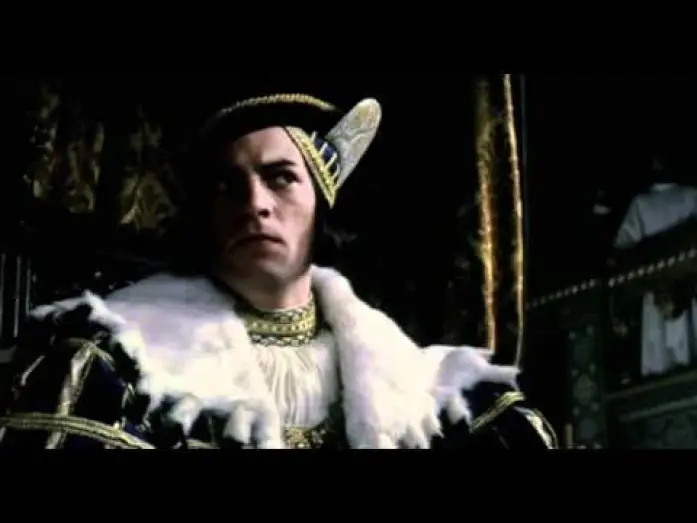
During the early 16th century, idealistic German monk Martin Luther, disgusted by the materialism in the church, begins the dialogue that will lead to the Protestant Reformation.
What's left behind the scenes
- This was the last film Peter Ustinov appeared in. He died the following year (2004).
- When Tetzel appeals to people to buy indulgences, he puts his hand into the fire. A moment later, fire comes from his hand.
- In the film, Luther indicates the chapter and verse when quoting the Bible, whereas the Bible was not divided into chapters and verses until 1546, and even then this division was not universal.
- It is said about Albert of Brandenburg that he was the archbishop of two German dioceses and wanted to acquire a third. In reality, he was archbishop of only one diocese before receiving the archbishopric of Mainz.
- In the film, the name “Junker Georg” is given to Luther before his departure from Wartburg Castle. In reality, he lived under that name in the castle.
- In the scene of the Augsburg Diet, all the nobility, including the Electors, decided to defend the new doctrine. In reality, the majority of the Electors remained Catholic. Only two of these seven Electors were expected to support it: John the Steadfast, Elector of Saxony (as shown in the film), and the Margrave of Brandenburg. Three Electors were Catholic archbishops, and another, the King of Bohemia, was Ferdinand, brother of Charles V.
- In the film, the Golden Rose is given to Frederick the Wise as a bribe to hand Luther over to the Pope. In reality, the Golden Rose was sent to him earlier.
- In the scene of the conversation between Cardinal Cajetan and Girolamo Aleandro after the election of Leo X, Cardinal Cajetan states that he was made a cardinal by Pope Alexander VI, when in fact he was made a cardinal by Leo X in 1517.
- The film shows that Leo X made Girolamo Aleandro a cardinal, which is incorrect; he was made a cardinal by Paul III.
- At the end of the film, Luther presents his translation of the Bible to Frederick the Wise. In reality, they never met.
Similar movies
8.4/10
8.1/10
8.1/10
8.1/10
8.1/10

8/10
8/10
7.9/10

7.9/10
7.8/10


 Auditions in India
 Casting calls in USA
 Castingi w Polsce
 Кастинги в Україні
