The Last Picture Show
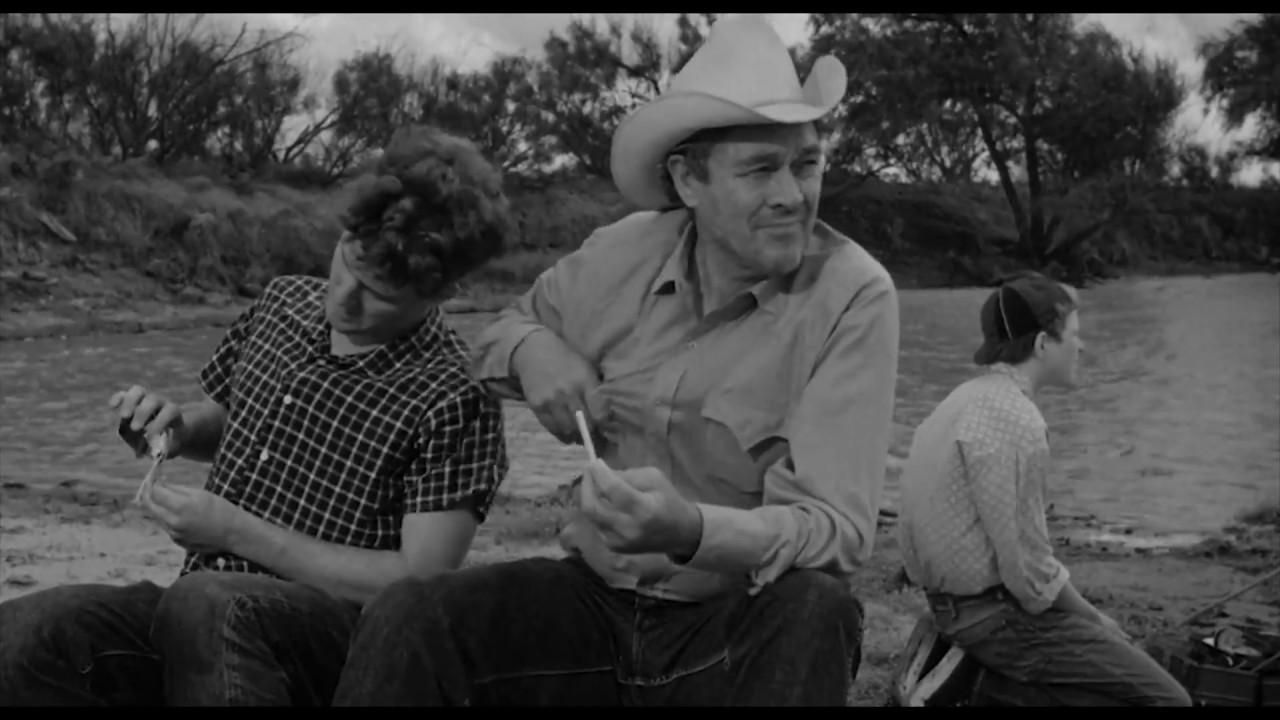
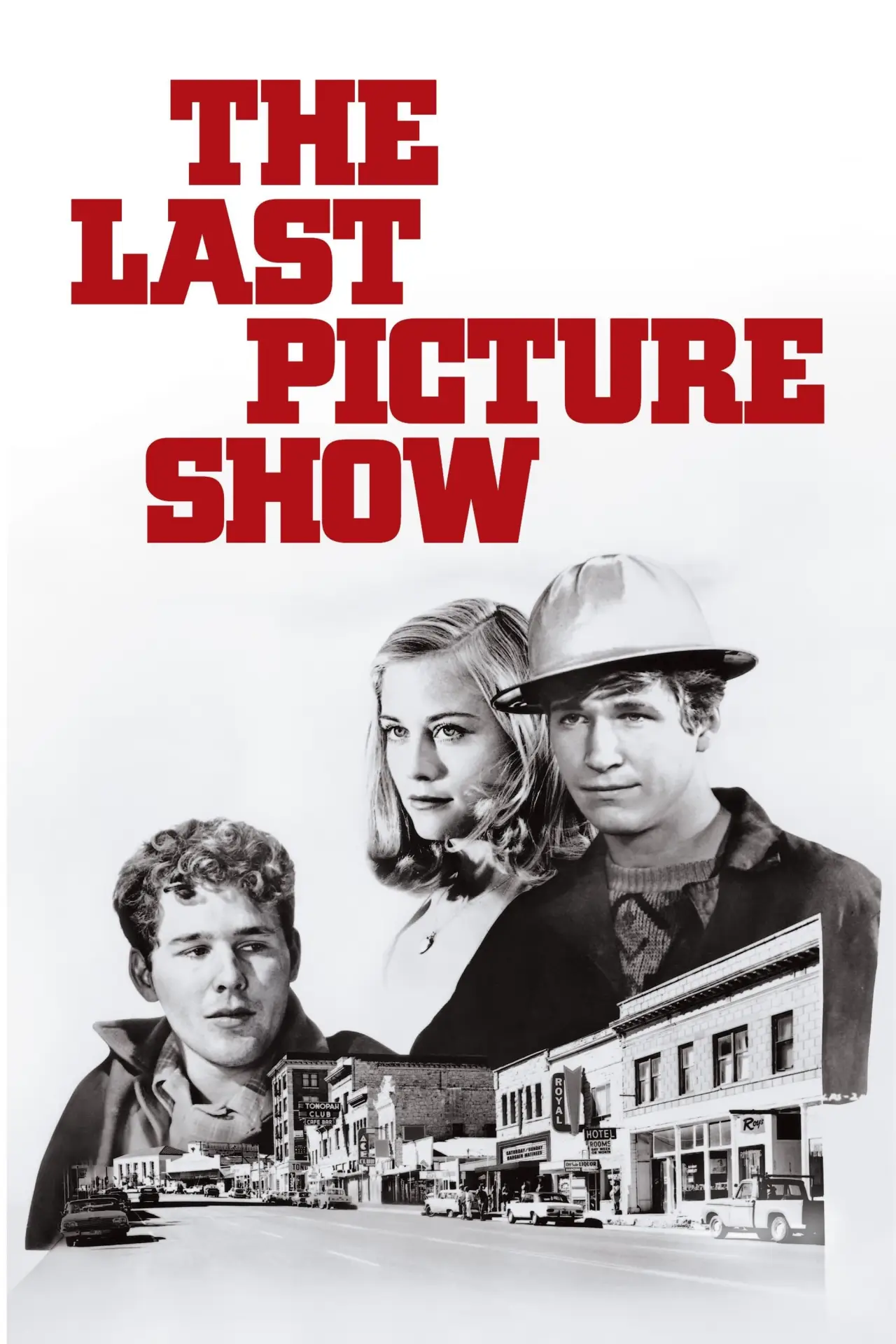
Anarene, Texas, 1951. Nothing much has changed…



Country
Budget
$1 300 000
Box office
$29 133 000
Director
Actors
Scenario
Producer
Bob Rafelson, Stephen J. Friedman, Bert Schneider
Camera operator
Composer
Artist
Audition
Ross Brown
Editing
Short description
High school seniors and best friends, Sonny and Duane, live in a dying Texas town. The handsome Duane is dating a local beauty, while Sonny is having an affair with the coach's wife. As graduation nears and both boys contemplate their futures, Duane eyes the army and Sonny takes over a local business. Each struggles to figure out if he can escape this dead-end town and build a better life somewhere else.
What's left behind the scenes
- The film is based on the novel of the same name by Larry McMurtry.
- The full version of the film has a runtime of 126 minutes.
- The film that the heroes watch during the "last screening" is the Western "Red River" by Howard Hawks. At the beginning of the film, they watch the comedy "Father of the Bride" by Vincente Minnelli.
- All the music in the film (except for that heard in the credits and performed by the band at the Christmas party) was not added during editing, but sounds during filming from the radio, jukeboxes, and home record players.
- In 2007, the American Film Institute ranked "The Last Picture Show" 95th in its list of the Greatest Films of All Time. This was the first time the film appeared on this list.
- The final scene in the film with Cloris Leachman was shot in one take without any rehearsals beforehand. She initially mentioned rehearsals, but Peter Bogdanovich decided that rehearsals would only ruin it. After shooting the scene, the actress told Bogdanovich that she was ready for a second take, in which she would play it better. He replied that she couldn't play it better, and that she had just won an “Oscar.” Bogdanovich’s intuition did not fail him; Leachman actually received an “Oscar” in the “Best Supporting Actress” category.
- Ben Johnson received an “Oscar” in the “Best Supporting Actor” category. This was the “Oscar” awarded for the shortest screen time – 9 minutes and 54 seconds.
- Ellen Burstyn was initially considered for the role of Genevieve (which ultimately went to Eileen Brennan), but when she met with director Peter Bogdanovich and auditioned for the roles of all three heroines, Bogdanovich offered her the role of Ruth, while she herself would have preferred to play Lois. He suggested she think it over carefully and let him know her decision the next day. They parted ways on that note, and the next day she said she still wanted to play Lois, and the director accepted her decision. Ruth was eventually played by Cloris Leachman.
- Having chosen Archer City, Texas, as the filming location, the film's artist Polly Platt and director Peter Bogdanovich considered how to make the town's overall atmosphere more desolate and the town itself more gloomy and colorless. After some deliberation and discussing and discarding several options (such as repainting the buildings a faded gray), Platt and Bogdanovich asked Orson Welles if the film should be shot in black and white. He immediately replied that this was exactly how the film should be made. Welles was a big fan of black and white cinema, believing that the absence of color on screen made the actors' performances more expressive.
- After filming a confrontation scene between Jeff Bridges and Timothy Bottoms, director and screenwriter Peter Bogdanovich nearly lost his job for failing to shoot a so-called master shot (a scene filmed from beginning to end, usually in a wide shot, so that all involved characters are in view). A producer intervened on his behalf.
- Sybill Shepherd agreed to star in Peter Bogdanovich's film on the condition that she could refuse to participate in the "nudity." She did not refuse the "nudity" after talking to other actresses involved in the film (Cloris Leachman, Ellen Burstyn, Eileen Brennan), who unanimously stated that, in their opinion, she should play in those scenes.
- Peter Bogdanovich halted filming due to the death of his father. When he returned to the set, he began filming with the funeral scene for Sam “Lion.”
Similar movies
8.3/10
8.2/10

8.2/10
8.2/10
8/10
8/10
8/10
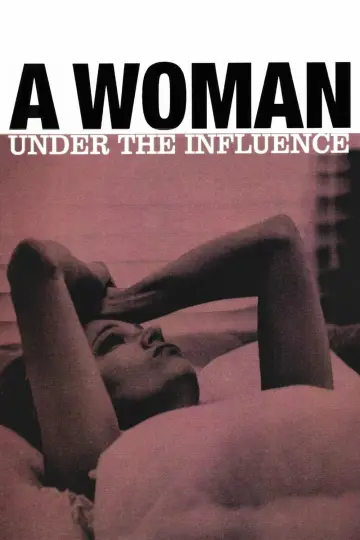
7.8/10
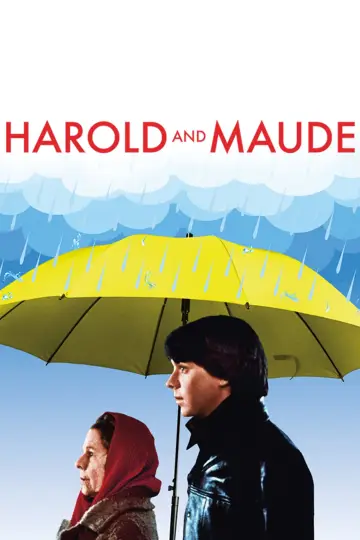
7.8/10

7.8/10


 Auditions in India
 Casting calls in USA
 Castingi w Polsce
 Кастинги в Україні
